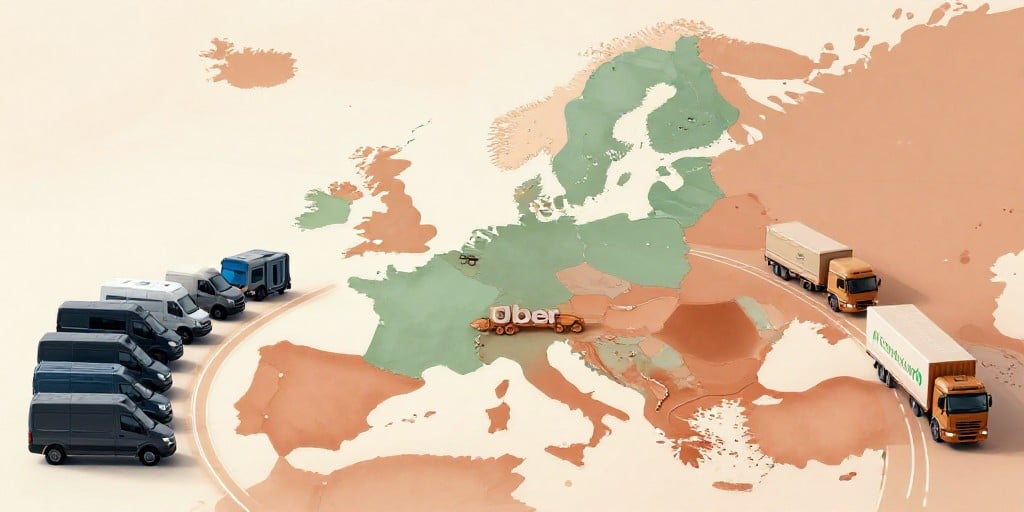
Corporate News Analysis: Uber Technologies’ Acquisition of Delivery Hero SE
The third‑quarter announcement that Uber Technologies will acquire Germany‑based food‑delivery company Delivery Hero SE has become a focal point for analysts tracking the evolving dynamics of the digital‑delivery market. The transaction exemplifies a broader pattern of consolidation within the sector, wherein large technology platforms pursue cross‑border expansion to achieve scale, broaden customer reach, and integrate complementary logistics and technology assets.
Transaction Overview
- Parties: Uber Technologies (acquirer) and Delivery Hero SE (target).
- Geographic Footprint: Uber’s core operations span North America, Latin America, and Asia‑Pacific; Delivery Hero brings an established presence in Germany, the Czech Republic, and other Central‑European markets.
- Strategic Rationale: The deal is positioned to reinforce Uber’s delivery platform by incorporating Delivery Hero’s established local infrastructure, customer base, and regulatory familiarity within the European Union. Uber anticipates cost synergies through the harmonisation of data‑driven logistics, unified driver‑on‑board processes, and shared technology stacks.
Context Within the Food‑Delivery Landscape
The food‑delivery sector has attracted intense investor interest over the past few years. Two key drivers underpin this trend:
- Urbanisation and Digital Adoption: Rising urban populations in emerging and developed markets are fueling demand for convenient, on‑demand meal services. Digital penetration and smartphone ubiquity create a fertile environment for platform‑based models.
- Capital Availability and Strategic Partnerships: Venture capital and strategic investment flows have provided firms with the resources needed to expand aggressively, acquire niche players, and develop proprietary logistics networks.
Against this backdrop, Uber’s acquisition of Delivery Hero represents a consolidation move aimed at achieving a more balanced geographical portfolio and mitigating the competitive pressure posed by rivals such as DoorDash, Deliveroo, and local incumbents.
Competitive Positioning and Synergies
From a competitive standpoint, Uber’s platform benefits in several respects:
- Scale Economies: A combined fleet of drivers and couriers enhances bargaining power with restaurants and reduces per‑order delivery costs.
- Data Consolidation: Merging user behaviour data across regions allows Uber to refine predictive algorithms for route optimisation, demand forecasting, and dynamic pricing.
- Regulatory Leverage: Delivery Hero’s established compliance framework within EU regulatory regimes may accelerate Uber’s navigation through local labour and data‑protection laws.
The expected synergies are estimated to exceed €200 million in cost savings over a five‑year horizon, primarily through operational efficiencies and reduced marketing spend per customer.
Broader Economic Implications
The transaction aligns with a macro‑economic narrative of digital transformation in traditional retail and services. As the global economy continues to adapt to post‑pandemic consumer behaviours, companies that can orchestrate seamless digital experiences while maintaining lean operational models are likely to thrive. Moreover, cross‑border acquisitions like this one illustrate a confidence among investors that the regulatory landscape, though complex, remains navigable for firms that invest in compliance and localised operations.
Conclusion
Uber’s acquisition of Delivery Hero SE is a clear indicator of sustained consolidation within the food‑delivery industry. It showcases how leading platforms seek to integrate complementary strengths—technology, logistics, and regional presence—to secure a competitive advantage. By doing so, Uber not only expands its European reach but also positions itself to capitalize on the long‑term growth prospects of the digital‑delivery economy, reinforcing the trend of cross‑border mergers as a viable growth strategy in an increasingly interconnected market.