Uber Technologies Inc. Expands Strategic Footprint in Mobility and Luxury Travel Segments
Autonomous‑Vehicle Collaboration with WeRide
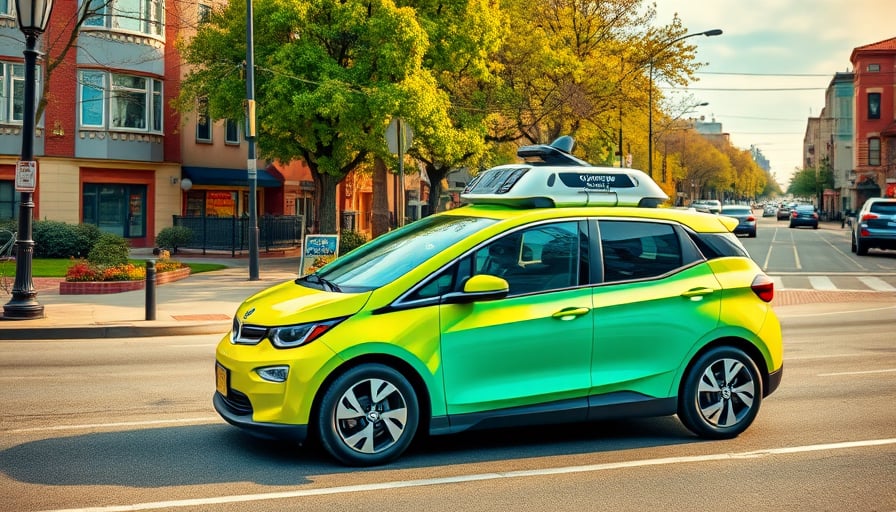
Uber has confirmed a nearly six‑percent equity stake in WeRide, a Chinese autonomous‑vehicle developer, and has outlined a phased expansion of this partnership across the Middle East.
- Initial Deployment (Late 2024): Pilot autonomous rides in the United Arab Emirates.
- Expanded Roll‑Out (2025): Additional investment of $100 million to extend operations to fifteen further Middle‑Eastern cities, with full deployment expected later that year.
Despite the modest size of the stake, the partnership underscores Uber’s sustained commitment to the robotaxi market. By aligning with a specialized developer rather than building in‑house capabilities, Uber mitigates technological risk while gaining early access to a rapidly evolving segment that promises higher operating margins once vehicle acquisition and software validation costs are amortized.
Market Context and Competitive Dynamics
The robotaxi space is increasingly contested by both incumbents and new entrants. European cities, for instance, are testing commercial self‑driving services, and competitors such as Lyft have already pursued similar collaborations. Uber’s move positions it to capture a share of autonomous operations in regions where regulatory frameworks are becoming more permissive, potentially providing a first‑mover advantage in high‑growth markets.
Acquisition of Blacklane
Uber announced the acquisition of Blacklane, a Berlin‑based chauffeur‑booking platform, with the transaction slated to close by the end of 2026.
- Strategic Fit: Blacklane’s network spans more than 500 cities worldwide and offers premium ride options, including black‑cab, SUV, and luxury services.
- Service Integration: The platform will be woven into Uber’s global ecosystem, augmenting existing premium offerings such as Uber Comfort and Uber Black, and reinforcing the “Uber Elite” brand.
This acquisition diversifies Uber’s revenue base beyond the core ride‑hailing model, which has historically been sensitive to fare wars and regulatory scrutiny. By incorporating Blacklane’s high‑margin luxury fleet and executive travel expertise, Uber can better serve corporate clients and affluent consumers, thereby stabilizing income streams during periods of ride‑hail volatility.
Broader Economic Implications
Uber’s dual strategy—expanding autonomous vehicle capabilities and acquiring a premium chauffeur service—reflects a broader trend within the mobility industry toward convergence of shared mobility and on‑demand luxury transport. As consumer expectations shift toward seamless, high‑quality travel experiences, companies that blend technology, operational flexibility, and brand prestige are likely to outperform traditional ride‑hailing platforms.
Moreover, the move into autonomous vehicles aligns with global trends toward electrification and sustainable transportation. By partnering with WeRide, Uber not only positions itself in a high‑growth segment but also leverages the environmental benefits that autonomous fleets promise, potentially attracting ESG‑conscious investors.
Competitive Landscape
Uber’s strategic initiatives come at a time when rivals such as Lyft have similarly pursued chauffeur‑service acquisitions, and new entrants are launching robotaxi pilots in European markets. While Uber has faced recent market volatility—including fluctuations in valuation and regulatory challenges—its focused acquisitions suggest a deliberate pivot toward long‑term growth through technology partnership and service diversification.
In sum, Uber’s combined approach of deepening its autonomous vehicle collaboration and broadening its luxury travel offering demonstrates a calculated effort to navigate competitive pressures, capitalize on emerging mobility trends, and secure a resilient revenue mix for the future.