Beneficial Ownership Change and Strategic Expansion at Uber Technologies, Inc.
Beneficial Ownership Update
Uber Technologies, Inc. (NASDAQ: UBER) disclosed that a senior officer, identified in the filing as the corporate secretary, divested a substantial block of the company’s common stock during the reporting period ending 12 November 2026. The transaction, executed at a weighted‑average price within a narrow range, reduced the officer’s holding to a level below the ten‑percent threshold that requires periodic reporting. The officer remains an executive of Uber and continues to perform all responsibilities associated with the role.
This change in beneficial ownership is noteworthy for several reasons. First, it underscores the dynamic nature of executive holdings in a high‑growth technology firm, where liquidity events and portfolio adjustments are common. Second, the fact that the sale did not trigger a threshold breach suggests that the executive’s stake was already modest relative to the company’s total shares outstanding. Finally, the timing—coinciding with a series of strategic initiatives—may reflect a broader realignment of personal and corporate priorities.
Expansion of Autonomous Vehicle Offerings
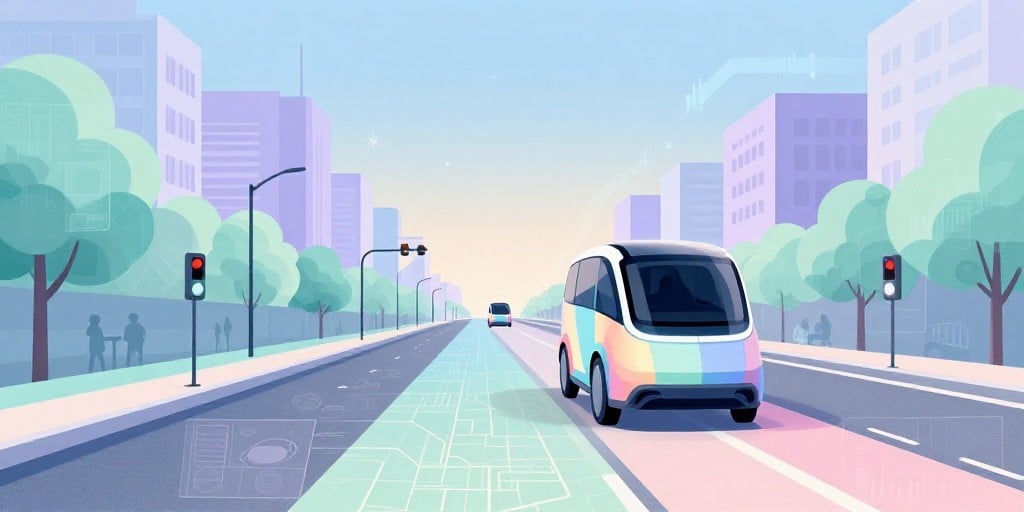
Simultaneously, Uber has broadened its autonomous vehicle footprint through a partnership with Amazon’s Zoox. Beginning 16 November 2026, Zoox will supply fully autonomous, purpose‑built robotaxis on Uber’s ride‑hailing platform in Las Vegas. Riders will not incur additional charges for these vehicles. The arrangement is supported by a multiyear agreement with MGM Resorts International, aimed at improving transportation options for guests and employees at MGM properties.
The partnership is slated for extension to Los Angeles in 2027, indicating a phased rollout strategy that prioritizes high‑density urban markets and established hospitality partners. Uber has emphasized that it will continue to offer Zoox vehicles through its own app, enabling users to modify app settings to increase the likelihood of matching with a robotaxi. This dual‑channel approach reflects a broader trend of integrating autonomous fleets into conventional ride‑hailing ecosystems, thereby testing market demand while mitigating regulatory risks.
Diversification into Consumer Electronics Delivery
Further diversifying its service portfolio, Uber announced a collaboration with Best Buy Canada. The partnership, launched in anticipation of the holiday shopping season, positions Best Buy’s electronics as available for delivery via the Uber Eats app across Canada. For the first year, Uber Eats will act as the exclusive third‑party delivery channel for Best Buy Canada, expanding Uber’s reach beyond food delivery into the consumer electronics segment.
This move aligns with a broader strategy to leverage Uber’s logistics infrastructure for a wider array of goods, thereby creating new revenue streams and reinforcing its presence in the e‑commerce delivery market. The partnership also benefits Best Buy by providing access to Uber’s extensive delivery network, potentially reducing delivery costs and enhancing customer experience during peak demand periods.
Strategic Implications
The confluence of these developments illustrates Uber’s continued focus on broadening its transportation and delivery footprint while maintaining compliance with regulatory frameworks. Key implications include:
- Competitive Positioning: By integrating autonomous vehicle technology, Uber strengthens its competitive position against rivals such as Lyft, Via, and emerging autonomous‑fleet operators. The partnership with Zoox offers a differentiated product that may attract safety‑conscious and tech‑savvy consumers.
- Revenue Diversification: Expanding into electronics delivery mitigates reliance on food delivery revenue, which has faced margin pressures. It also positions Uber to capitalize on the growing trend of “last‑mile” logistics for non‑food items.
- Operational Synergies: Leveraging a unified app to match riders and deliveries across transportation and goods services can improve platform efficiency and reduce customer acquisition costs.
- Regulatory Dynamics: Operating autonomous vehicles in Las Vegas—a city with a robust regulatory framework for testing autonomous systems—provides a controlled environment to refine safety protocols and gather data that may inform future regulatory submissions in other jurisdictions.
Conclusion
Uber Technologies’ recent beneficial ownership adjustment, strategic expansion into autonomous vehicles, and foray into electronics delivery collectively underscore a deliberate effort to diversify services while managing governance and regulatory obligations. These moves reflect broader industry dynamics, where mobility and logistics companies seek to capture value across multiple segments of the on‑demand economy.