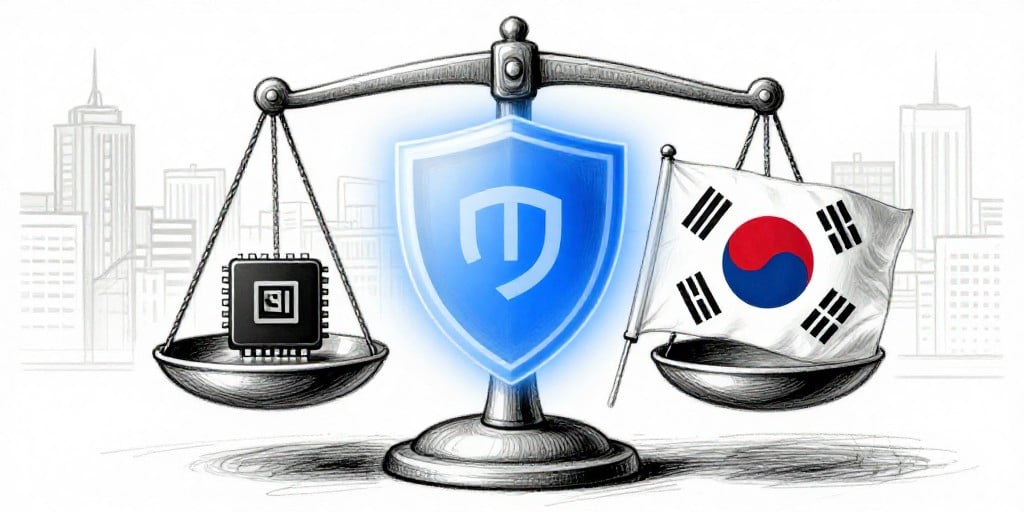
NVIDIA Faces Heightened Scrutiny Over Alleged Intelligence Ties
NVIDIA Corporation (NVDA) is confronting intensified scrutiny after a report in the New York Times alleged that a woman closely linked to CEO Jensen Huang had ties to a Chinese intelligence agency. The report identifies the individual as Alice Huang of Megaspeed International, a company that supplies cloud infrastructure to NVIDIA. According to the article, Huang was reportedly recruited to gather intelligence on NVIDIA’s advanced semiconductor designs and to influence the company’s supply of cutting‑edge chips to China.
U.S. Government Response
U.S. officials have reportedly briefed the Trump administration and subsequently forwarded their concerns to the House Select Committee on China. The committee has requested a closed‑door briefing with Alice Huang to assess the veracity of the allegations and to determine whether any regulatory or legislative actions are warranted. In a statement released yesterday, NVIDIA emphasized that its cloud partners, including Megaspeed, do not request changes to U.S. law and do not advocate the sale of NVIDIA’s technology to China. The company also stressed that it does not share classified information with customers.
Market Repercussions
The controversy has come at a time of heightened volatility in the semiconductor sector. The U.S. semiconductor index has seen a sharp decline in recent weeks, and NVIDIA’s shares have mirrored the broader sectoral pressure. Despite this headwinds, the company’s core AI business remains a key driver of investor interest, particularly as demand for high‑performance computing and AI accelerators continues to outpace supply constraints.
Supply‑Chain Developments
Amid the controversy, Taiwan Semiconductor Manufacturing Co. (TSMC) announced plans to expand its advanced memory chip production at NVIDIA’s request. The move underscores NVIDIA’s continued role as a pivotal partner in the global AI hardware supply chain, and highlights the interdependence between leading chip designers and the world’s largest semiconductor foundry.
Investor Sentiment in Related Segments
Data‑center operators and AI‑hardware firms have exhibited mixed performance. Some companies have rallied on optimism surrounding sustained demand for cloud infrastructure and AI workloads, while others have lagged as investors recalibrate valuations in light of tightening regulatory scrutiny. The evolving geopolitical environment—particularly U.S. policy shifts following the midterm elections—continues to shape expectations for NVIDIA and its peers in the high‑performance computing arena.
Broader Economic Context
This episode illustrates the complex intersection of national security concerns, international trade policy, and the global semiconductor supply chain. While the allegations remain unverified, the potential implications for trade compliance, export controls, and supply‑chain transparency are significant. Companies operating in high‑technology sectors must navigate these dynamics with analytical rigor, maintaining robust compliance frameworks and cultivating diversified supply chains to mitigate geopolitical risks.
In sum, NVIDIA’s situation underscores the broader trend of heightened regulatory oversight in the technology sector, the strategic importance of semiconductor manufacturing to national security, and the continued resilience of AI‑driven demand despite short‑term market turbulence.