Tyson Foods Faces Legal Mandate Amid Industry‑Wide Labor Turbulence
Regulatory Context and the Legal Imperative
A federal district court in Washington has imposed a significant legal obligation on Tyson Foods Inc., mandating the company to respond to the bulk of a proposed class‑action lawsuit that alleges wage‑and‑hour violations at its Washington processing plant. The judge’s ruling was grounded in the plausibility of workers’ claims concerning interrupted meal breaks and automatic deductions for unpaid wages—issues that have long been flagged by the Department of Labor’s Wage and Hour Division.
This outcome illustrates how regulatory scrutiny has sharpened on labor practices within the meat‑packing sector. While Tyson’s settlement history has been relatively modest, the court’s willingness to scrutinize internal policies signals a broader shift toward enforcing compliance in an industry historically plagued by complex overtime calculations and meal‑break enforcement.
The JBS Strike and Supply‑Chain Compression
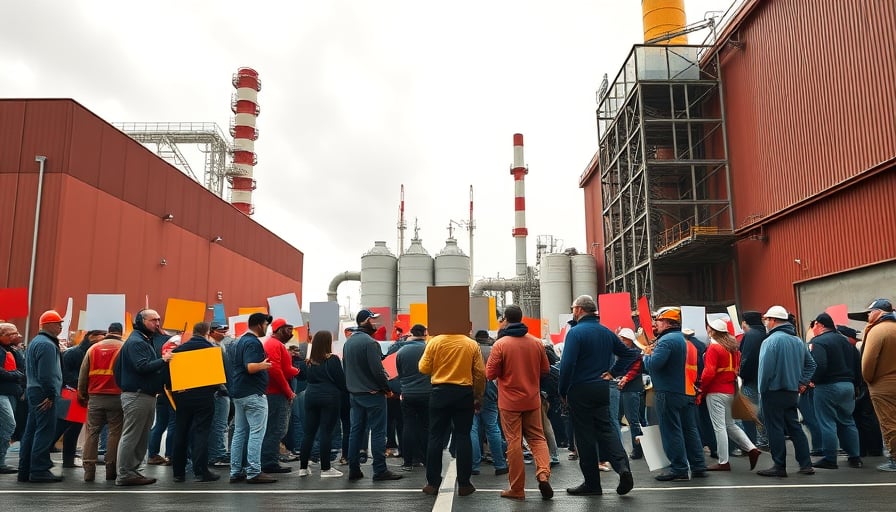
The legal pressure on Tyson is compounded by a contemporaneous strike at a large Colorado meat‑packing facility operated by JBS S.A., the world’s largest meat producer. Approximately 3,800 workers, representing a substantial fraction of the plant’s workforce, halted operations to protest pay, safety‑equipment costs, and other labor conditions. The strike has directly disrupted U.S. beef‑processing capacity, creating a ripple effect across the entire supply chain.
Industry analysts note that the strike has revealed systemic vulnerabilities: a concentration of production in a handful of high‑volume facilities, coupled with labor practices that can trigger rapid shutdowns. These dynamics heighten the risk of supply bottlenecks that could elevate cattle prices and, ultimately, consumer beef prices.
Operational Shifts and Capacity Constraints
Tyson Foods’ internal operational decisions further exacerbate capacity challenges. Earlier in the year, the company shuttered a sizeable beef‑processing plant in Nebraska, citing lower-than‑expected throughput and rising labor costs. Concurrently, its Texas facility has scaled back operations, citing both market volatility and workforce shortages. Together, these closures have reduced the company’s domestic processing footprint by an estimated 12% when measured against peak 2019 volumes.
When juxtaposed with the JBS strike, Tyson’s reduced capacity amplifies market pressure. Cattle feeders now face a tighter processing schedule, often resulting in higher bids to secure processing slots. Consequently, cattle prices have exhibited a 7% uptick over the past three months, a trend that may persist if labor unrest continues or additional facilities close.
Competitive Dynamics and Market Positioning
Within the U.S. meat‑packing hierarchy, Tyson Foods remains a top‑tier player, but the recent legal and operational setbacks introduce new competitive dynamics. JBS’s global footprint and its ability to absorb temporary labor losses—thanks to diversified production sites—positions it to capitalize on capacity gaps created by Tyson’s contractions. Conversely, smaller regional packers may seize opportunities to fill niches in specialty cuts or plant‑based meat substitutes, thereby reshaping market shares.
Financially, Tyson’s revenue trajectory has stalled. The company reported a 3.2% decline in Q1 2026 revenue, largely attributed to lower domestic processing volumes and increased labor compliance costs. Profit margins contracted from 8.5% in the same period of 2025 to 6.9% in 2026, reflecting both higher wage expenses and the costs associated with litigating class‑action claims.
Risks and Opportunities
| Risk | Potential Impact | Mitigation Strategy |
|---|---|---|
| Labor Disruption | Production shutdowns, cost escalation | Strengthen union negotiations, invest in workforce incentives |
| Regulatory Compliance | Legal penalties, reputational damage | Implement rigorous internal audits, employee training on wage‑hour laws |
| Capacity Constraints | Price inflation, lost market share | Diversify processing sites, adopt flexible contract structures with suppliers |
| Opportunity | Potential Impact | Recommended Action |
|---|---|---|
| Supply‑Chain Resilience | Differentiation through reliability | Develop regional processing hubs, invest in automation |
| Product Diversification | Capture new consumer segments | Expand plant‑based and value‑added product lines |
| Strategic Partnerships | Shared risk in labor negotiations | Collaborate with labor advocacy groups to pre‑empt strikes |
Conclusion
Tyson Foods’ current predicament underscores a broader pattern of systemic strain within the U.S. meat‑packing sector: heightened labor tensions, regulatory crackdowns, and supply‑chain fragility. While the legal ruling mandates compliance, it also exposes operational inefficiencies that could erode competitiveness if left unaddressed. For stakeholders—shareholders, employees, and suppliers—the key lies in proactive risk management and strategic realignment, positioning Tyson to navigate the turbulent landscape while capitalizing on emerging opportunities in a shifting market.