
Context and Strategic Intent
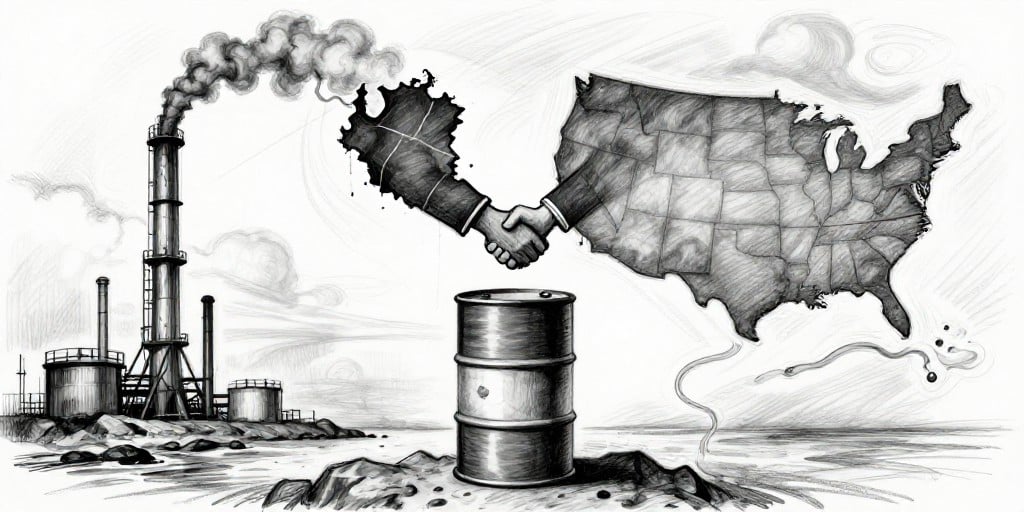
The upcoming meeting between President Donald Trump and a consortium of U.S. oil refiners—including Chevron—signals a deliberate effort to confront the dual challenges of soaring gasoline prices and the fragility of domestic refining capacity. This initiative arrives against a backdrop of heightened geopolitical volatility, notably the escalating Iranian conflict, which has disrupted global supply chains and contributed to the current energy price surge. The administration’s agenda is therefore two‑fold: mitigate immediate consumer price pressures while simultaneously bolstering the United States’ long‑term energy security posture.
Key Discussion Themes
1. Mitigating Price Volatility
The core of the deliberations will focus on mechanisms to dampen gasoline price swings. Proposed strategies include:
- Enhanced Domestic Refining Utilization: Encouraging refiners to operate closer to maximum capacity and to optimize output for gasoline, thereby increasing domestic supply.
- Strategic Reserves Management: Revisiting policies governing the Strategic Petroleum Reserve to ensure timely releases when market signals indicate impending shortages.
- Supply Chain Resilience: Identifying bottlenecks in the supply chain, such as refinery outages or logistical constraints, and developing contingency plans to address them.
2. Expanding Refining Infrastructure
The administration is poised to explore avenues for expanding U.S. refining infrastructure, which is critical for reducing dependence on foreign imports. Potential initiatives include:
- Public‑Private Partnerships: Leveraging private capital to fund new refinery projects or upgrades to existing facilities.
- Regulatory Streamlining: Revisiting permitting processes to accelerate construction timelines without compromising safety or environmental standards.
- Technology Integration: Incorporating advanced refining technologies that enhance efficiency and lower emissions, thereby aligning with broader environmental objectives.
3. Revisiting Regulatory Frameworks
Two regulatory pillars are set for reassessment:
- Jones Act: The maritime labor law could be adjusted to allow for greater flexibility in shipping fuel, potentially easing logistical constraints on domestic supply.
- Renewable Fuel Standard (RFS): Adjustments to the RFS could balance the promotion of renewable energy with the practicalities of maintaining an efficient gasoline supply chain.
U.S. Engagement in Venezuela
Parallel to domestic initiatives, U.S. officials are engaged in negotiations with Venezuelan authorities regarding a long‑term stake in the country’s oil fields. Chevron, already operating joint ventures with Venezuela’s state oil company, is reportedly close to securing an expansion that would incorporate two heavy‑oil fields into its portfolio. This move could have profound implications:
- Investment Policy Shift: A significant U.S. stake in Venezuelan production would represent a departure from the historically cautious stance on foreign investment in a politically unstable region.
- Supply Diversification: Leveraging Venezuela’s heavy‑oil reserves could diversify U.S. sources of crude, reducing exposure to geopolitical disruptions elsewhere.
- Sanctions Navigation: Any involvement would necessitate careful compliance with existing sanctions regimes, potentially involving tailored legal and financial structures to mitigate risks.
Broader Economic Implications
The intersection of these developments reflects a broader strategic calculus:
- Energy Security vs. Market Liberalization: Balancing domestic control with the benefits of open markets is a central tension. Strengthening refining capacity directly enhances security but may face opposition from environmental and market regulators.
- Geopolitical Risk Management: Diversifying sources, particularly from politically volatile regions like Venezuela, can hedge against supply shocks but requires sophisticated risk mitigation frameworks.
- Fiscal Impact: Both domestic infrastructure investment and international acquisition strategies will influence federal fiscal balances, potentially necessitating adjustments in tax policy or public spending priorities.
Conclusion
The Trump administration’s dual focus on fortifying domestic refining capacity and exploring foreign investment in Venezuelan oil fields underscores a comprehensive strategy to stabilize gasoline prices and secure long‑term energy supply. By addressing regulatory barriers, fostering public‑private collaboration, and engaging in geopolitically sensitive negotiations, the administration aims to navigate the complex interplay between market dynamics, economic policy, and geopolitical realities.