
Corporate Overview
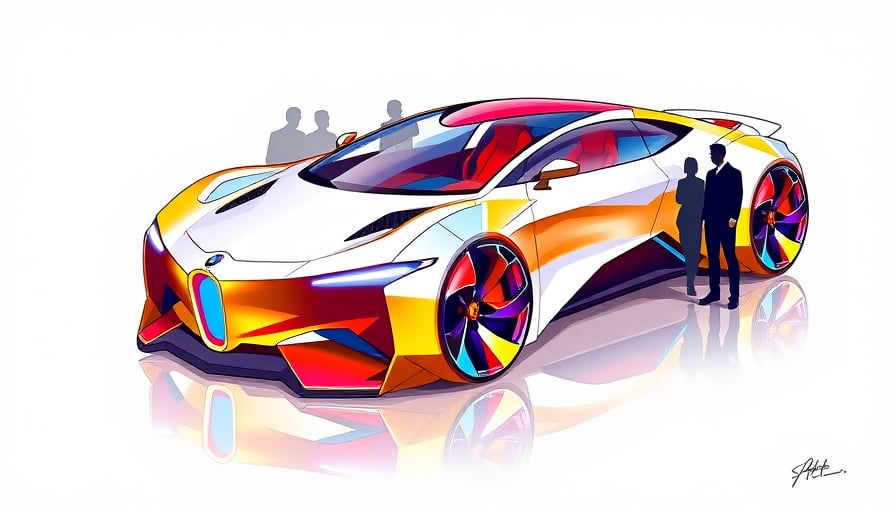
On December 5 2025, Toyota Motor Corporation, the world‑renowned Japanese automaker, announced a series of concept vehicles that underscore its dual strategy of expanding its high‑performance portfolio while deepening its commitment to electrification. The unveiling featured the Lexus LFA Concept, a fully battery‑electric sports car, and the GR GT and GR GT3 models introduced by Toyota Gazoo Racing, which incorporate advanced hybrid technology.
Lexus LFA Concept – Electric Sports Performance
The Lexus LFA Concept extends the legacy of the original LFA, a limited‑edition supercar that was celebrated for its V10 engine and aggressive styling. However, the new concept departs decisively from internal combustion by employing a battery‑electric drivetrain. Key technical highlights include:
| Feature | Specification |
|---|---|
| Powertrain | Fully electric |
| Motor Type | Dual‑motor all‑wheel drive |
| Battery Capacity | 90 kWh lithium‑ion pack |
| Estimated Range | 350 km (WLTP) |
| Peak Power | 750 kW |
| Acceleration (0–100 km/h) | <3 s |
The LFA Concept demonstrates Toyota’s willingness to apply its hybrid expertise to a fully electric architecture. The vehicle’s high‑performance credentials are expected to resonate with enthusiasts while reinforcing the Lexus brand’s luxury positioning.
GR GT and GR GT3 – Hybrid‑Powered Flagships
Toyota Gazoo Racing introduced two concept models that signal the future of the brand’s flagship sports cars:
- GR GT – A road‑legal, high‑performance sedan featuring a 1.5‑liter turbocharged inline‑four paired with a permanent‑magnet synchronous motor. The hybrid system is designed to deliver over 500 kW of combined power while maintaining an all‑wheel‑drive configuration.
- GR GT3 – A racing‑ready iteration of the GR GT, optimized for the FIA GT3 category. It incorporates lightweight chassis materials, advanced aerodynamics, and a hybrid system tuned for track performance.
Both models are slated for production later in the decade, reflecting Toyota’s strategy to introduce high‑performance vehicles that satisfy both consumer and racing markets.
Strategic Context and Economic Implications
Toyota’s announcement aligns with broader automotive industry trends:
Electrification Momentum The global shift toward zero‑emission vehicles, driven by regulatory pressure and consumer demand, positions Toyota to capture market share in both luxury and mainstream segments. By deploying a fully electric LFA, the company signals readiness to compete with European high‑performance marques such as Porsche and Ferrari in the electric domain.
Hybrid Innovation While many competitors accelerate toward full electrification, Toyota continues to refine its hybrid technology. The GR GT and GR GT3 models exemplify a hybrid‑first approach that offers performance, efficiency, and lower emissions—a strategy that can appeal to markets with stringent CO₂ regulations yet limited charging infrastructure.
Brand Differentiation Across Segments Leveraging the distinct identities of Lexus (luxury) and Gazoo Racing (performance racing), Toyota maximizes cross‑segment synergy. The LFA concept reinforces Lexus’s premium aura, whereas the GR series consolidates Gazoo Racing’s reputation for motorsport excellence.
Capital Allocation and R&D Focus The simultaneous development of an electric sports car and hybrid flagship models reflects a balanced investment in future technologies. This dual focus allows Toyota to mitigate risk—capitalizing on current hybrid demand while positioning for a fully electric future.
Supply Chain and Economies of Scale Both concepts share underlying battery and electric motor components with existing Toyota platforms, enabling economies of scale in production. This integration can lower unit costs and accelerate time‑to‑market for high‑performance vehicles.
Competitive Positioning
Within the luxury sports car segment, Lexus faces competitors such as Audi (e‑Tron GT), Porsche (Taycan), and Mercedes (EQS). The LFA Concept’s aggressive performance metrics place it in direct contention with these rivals, provided the company can translate concept specifications into production viability.
In the hybrid performance arena, the GR GT series competes with models like the BMW M4 Competition (with optional plug‑in hybrid variants) and the Mercedes‑AMG GT 4‑4 (hybrid). Toyota’s heritage in hybrid reliability, coupled with Gazoo Racing’s motorsport credibility, could yield a differentiated offering that appeals to both street and track enthusiasts.
Conclusion
Toyota Motor Corporation’s December 2025 unveiling illustrates a strategic confluence of electrification and hybrid innovation. By expanding its high‑performance lineup with the Lexus LFA Concept and the GR GT series, the company positions itself to navigate evolving regulatory landscapes, shifting consumer preferences, and intensified competition across luxury and performance segments. The move underscores Toyota’s broader objective: to deliver cutting‑edge, market‑relevant vehicles while maintaining its legacy of engineering excellence.