Corporate News – Toyota’s Strategic Pivot to “Scion by Toyota”
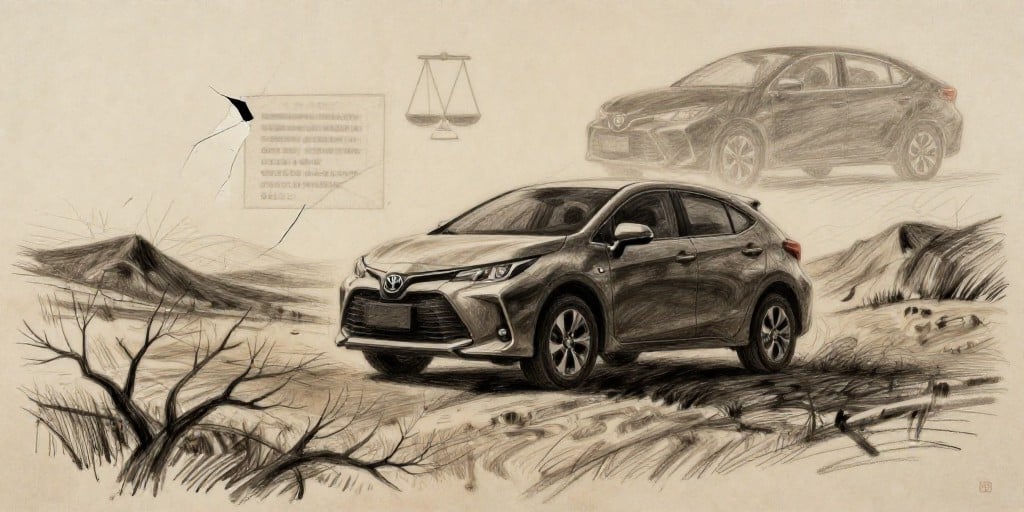
Toyota Motor Corp. has unveiled a bold new brand initiative aimed at capturing a niche segment of the U.S. automotive market. The company will resurrect its former Scion label under the umbrella of “Scion by Toyota,” positioning the brand as a hub for compact, low‑cost, and versatile vehicles. The launch centers on the KEI‑01, a compact utility vehicle (CUV) slated for production at Toyota’s Indiana assembly plant beginning in late 2027. Simultaneously, Toyota introduced two concept vehicles— the SxS side‑by‑side and the BKE electric scooter—illustrating a broader vision for mobility that extends beyond traditional passenger cars.
1. Business Fundamentals Behind the Scion Revival
| Metric | Details |
|---|---|
| Target Segment | Fleet and commercial customers seeking affordable, low‑maintenance UGVs; potential expansion to retail markets. |
| Core Product | KEI‑01: 3‑cylinder engine, CVT, AWD, low‑speed federal safety compliance. |
| Production Volume | Initially low‑volume, pilot‑phase production to gauge demand; potential scale‑up contingent on market acceptance. |
| Price Point | Projected MSRP below $25,000, positioning it competitively against existing UGVs such as the Chevrolet TrailBlazer or Ford Bronco Sport. |
| Cost Structure | Lean production; shared components with existing Toyota platforms; economies of scale leveraged through the Indiana plant’s existing supply chain. |
Toyota’s decision to re‑brand under Scion—a name previously associated with youthful, trend‑driven vehicles—suggests a deliberate attempt to capitalize on a legacy that still resonates with certain U.S. consumers. By offering a vehicle tailored to commercial use, Toyota sidesteps the highly competitive retail SUV market, focusing instead on a niche that is often overlooked by mainstream manufacturers.
2. Regulatory Environment and Compliance
The KEI‑01 is designed to meet the Federal Low‑Speed Vehicle (LSV) safety standards (NHTSA FMVSS 107). This regulatory framework allows for vehicles with a maximum speed of 25 mph, which is particularly advantageous for fleet operations such as municipal service vehicles, security patrols, and delivery vans. Compliance with LSV regulations reduces development time and cost, as the vehicle can forego many of the heavy‑weight safety features required for higher‑speed passenger cars.
However, the LSV market faces scrutiny over safety and liability concerns, especially in states that have tightened regulations on electric and autonomous LSVs. Toyota’s approach to include a robust AWD system and a CVT, combined with a proven three‑cylinder engine, mitigates some of the safety risks associated with LSVs and may position the KEI‑01 favorably in state‑specific safety audits.
3. Competitive Dynamics
| Competitor | Product | Strengths | Weaknesses |
|---|---|---|---|
| General Motors | Chevrolet TrailBlazer 4x4 LSV | Established brand; existing dealer network | Higher price; limited customization |
| Ford | Ford Bronco Sport (non‑LSV) | Strong brand equity; off‑road heritage | Not an LSV; higher cost |
| Local Start‑ups | Various electric UGVs | Agility; niche focus | Limited scale; lower brand trust |
| Toyota (current) | Lexus LX, Toyota 4Runner | Proven reliability; dealer service | Premium pricing; not tailored for LSV |
Toyota’s entry disrupts the market by offering a value‑oriented, low‑speed alternative that leverages its manufacturing efficiency and brand trust. The potential for a pilot distribution program—leveraging a select group of existing Toyota dealerships—further reduces distribution costs while allowing Toyota to gather real‑world data on fleet usage, maintenance patterns, and customer satisfaction.
4. Investment Analysis
The Indiana investment is projected at approximately $34 million, creating around 50 new jobs and expanding assembly and logistics infrastructure. While modest compared to Toyota’s broader U.S. investment plan of $10 billion over five years, this pilot reflects a high‑risk, high‑learning strategy:
- Return on Investment (ROI): The low-cost production model, combined with a projected retail price point, could yield a payback period of 2–3 years if fleet adoption accelerates.
- Risk Factors: Regulatory changes, market acceptance, and potential supply chain disruptions (e.g., semiconductor shortages) could delay production and inflate costs.
- Opportunity: Successful adoption could serve as a springboard for broader Scion‑by‑Toyota offerings, including limited‑run retail models and expanded product lines.
5. Emerging Trends and Overlooked Opportunities
Urban Mobility Shift: The introduction of the BKE electric scooter taps into the growing demand for first‑ and last‑mile mobility solutions in congested urban environments. While not directly related to the KEI‑01, this concept positions Scion by Toyota as a holistic mobility provider.
Hybridization of Off‑Road Segments: The SxS side‑by‑side concept, featuring a high‑output hybrid powertrain, anticipates a future shift toward electrified off‑road vehicles. While this concept is currently non‑commercial, it signals Toyota’s intention to capture the recreational and outdoor markets.
Fleet Optimization: As U.S. municipalities and corporate fleets look to reduce operating costs, a low‑speed, low‑maintenance vehicle like the KEI‑01 could become a preferred option, especially if paired with Toyota’s long‑standing after‑sales support network.
6. Potential Risks and Caveats
- Regulatory Ambiguity: LSV regulations vary by state; potential tightening could restrict market reach.
- Market Saturation: The low‑speed vehicle segment remains relatively small; consumer preference may shift toward fully electric solutions, bypassing LSVs.
- Supply Chain Concentration: The reliance on a single Indiana plant creates vulnerability; a disruption could halt production and delay launch.
- Brand Perception: Re‑introducing Scion might be perceived as a legacy brand rather than an innovative entrant, potentially dampening enthusiasm among younger consumers.
7. Conclusion
Toyota’s strategic pivot to “Scion by Toyota” represents a calculated risk aimed at diversifying its U.S. portfolio and exploiting an underserved segment of the fleet and commercial vehicle market. By leveraging its manufacturing efficiencies, low‑speed regulatory compliance, and an established dealer network, Toyota could establish a foothold in a niche that offers significant upside potential. Nevertheless, the initiative will require vigilant monitoring of regulatory developments, supply chain resilience, and evolving consumer preferences. As the automotive landscape continues to shift toward electrification and mobility‑as‑a‑service models, Scion by Toyota’s success will hinge on its ability to adapt rapidly while maintaining the brand’s core value proposition of affordability and versatility.