Corporate Update – TotalEnergies’ Consolidation of German Electricity Operations
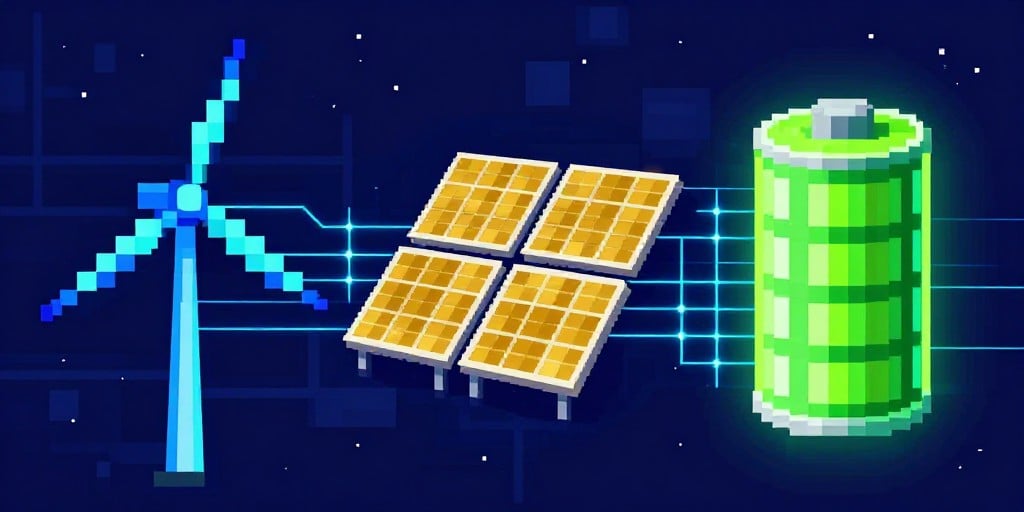
TotalEnergies has announced a strategic reorganisation of its German electricity activities, establishing a single umbrella entity, Integrated Power Germany. This new organisational unit will absorb the company’s wind, solar and battery businesses, its offshore wind portfolio, and the subsidiary QUADRA Energy Sales & Origination. The restructuring aims to streamline the value chain—from project development and operation to direct marketing of renewable power and the integration of flexibility services into the grid—thereby enhancing the commercial viability of low‑carbon energy solutions.
Rationale Behind the Restructuring
The integration reflects TotalEnergies’ broader transition from a traditional oil and gas focus toward a diversified, multi‑energy portfolio. By consolidating renewable assets under one operational framework, the company intends to:
- Improve operational efficiency through unified management of project lifecycles and grid integration.
- Accelerate deployment of new wind, solar, and battery projects by aligning sales, origination, and grid services.
- Enhance market positioning in Germany’s rapidly evolving renewable sector, where flexible generation and storage are increasingly valued.
- Maintain robust cash flows from core oil and gas operations while scaling up investments that align with global decarbonisation targets.
Market Context: Supply–Demand Fundamentals
Renewable Supply Growth
Germany’s renewable generation capacity has surged, with wind and solar together adding over 10 GW of new capacity in 2024. This growth is driven by:
- Federal incentives such as the Renewable Energy Sources Act (EEG) and the German Energy Transition (Energiewende) policy framework.
- Infrastructure investments in transmission and grid flexibility to accommodate variable output.
Demand Dynamics
Industrial and residential demand for electricity remains steady, but the increasing penetration of electrification—particularly in transportation and heating—has begun to outpace existing supply in peak periods. This mismatch underscores the urgency of integrating battery storage and demand‑response mechanisms.
Technological Innovations Driving Value
Battery Storage and Flexibility Services Integrated Power Germany will harness advanced lithium‑ion and emerging solid‑state storage solutions to provide ancillary services such as frequency regulation and load shifting. These services are becoming critical as Germany seeks to decouple generation from consumption patterns.
Offshore Wind Integration Offshore wind assets offer higher capacity factors and lower intermittency compared to onshore installations. The new structure will streamline the integration of these assets with onshore storage, creating hybrid solutions that can respond swiftly to grid demands.
Digital Asset Management Leveraging AI‑driven predictive maintenance and real‑time grid analytics will reduce downtime, enhance asset performance, and lower operating costs across the portfolio.
Regulatory Landscape and Its Impact
- EEG Reforms: Upcoming adjustments to the feed‑in tariff structure will influence the pricing of renewable electricity and the economic feasibility of new projects.
- Grid Access Policies: Germany’s 2025 “Grid Access Act” requires open access to transmission networks, which will reduce bottlenecks but also increase competition among suppliers.
- Carbon Pricing: The EU Emission Trading System (ETS) continues to exert upward pressure on fossil‑fuel electricity prices, indirectly benefiting low‑carbon suppliers.
Regulatory clarity will be essential for Integrated Power Germany to secure long‑term contracts and maintain competitive margins in a market increasingly tilted toward decarbonisation.
Commodity Price Analysis
- Natural Gas: Spot prices have remained volatile, with European markets experiencing a 15 % premium over the last year due to supply constraints. This volatility underscores the importance of diversified portfolios that can hedge against price swings.
- Renewable Power: The average price for onshore wind and solar in the German Balancing Market has fallen by 12 % annually, reflecting technological cost declines and increased deployment.
- Battery Materials: Prices for lithium and cobalt have seen a 7 % rise over the past 12 months, driven by higher demand from storage projects and electric vehicles.
These dynamics suggest that a robust renewable and storage portfolio, as proposed, can deliver stable returns even amidst commodity price fluctuations.
Balancing Short‑Term Trading with Long‑Term Transition Trends
Short‑Term Trading
- Integrated Power Germany will likely engage in intraday balancing markets, exploiting price spreads between peak and off‑peak periods.
- The use of battery storage allows rapid arbitrage, capturing value from short‑lived price spikes.
Long‑Term Transition
- The company’s strategic shift aligns with Germany’s 2050 net‑zero target, providing a platform for sustained growth as renewable penetration deepens.
- By maintaining core oil and gas cash flows, TotalEnergies can fund renewable expansion without jeopardising shareholder returns.
The dual focus ensures resilience against market volatility while positioning the company at the forefront of the energy transition.
Outlook
The establishment of Integrated Power Germany marks a pivotal step in TotalEnergies’ transformation strategy. By consolidating renewable operations, enhancing flexibility services, and navigating a complex regulatory and commodity landscape, the company is poised to capitalize on Germany’s accelerating shift toward low‑carbon electricity. As demand continues to outpace supply and technology costs decline, the integrated model offers a compelling blend of operational efficiency, market agility, and strategic alignment with global decarbonisation goals.