Corporate Update: TotalEnergies’ Strategic Expansion in Renewable Energy and Market Dynamics
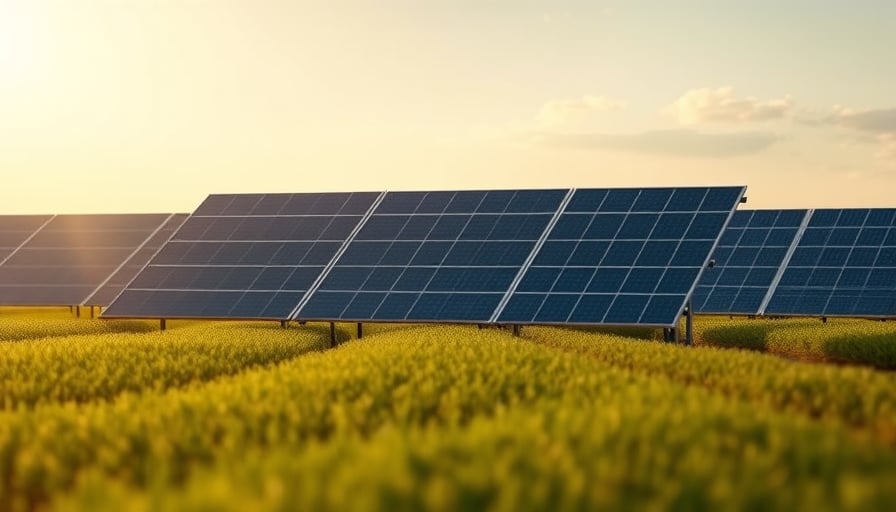
TotalEnergies SE has announced the commissioning of a 31‑megawatt floating solar plant located on a former chalk quarry lake in Belgium. Designed primarily for the self‑consumption of partner Holcim’s industrial operations, the facility represents the largest floating solar installation of its kind in Europe dedicated to onsite power generation. The project reinforces the company’s broader strategy of integrating renewable sources—solar, wind, and flexible assets—to deliver clean, firm power to customers while pursuing sustainable growth across its portfolio.
Technological Innovation and Infrastructure Development
The Belgian floating solar plant exemplifies a shift toward unconventional solar deployment. By anchoring photovoltaic arrays on a water surface, the project mitigates land use constraints and benefits from the cooling effect of water, which can increase module efficiency by up to 10 % compared to land‑based installations. The use of a former quarry lake also enhances visual aesthetics and reduces the environmental footprint of new construction.
TotalEnergies’ decision to partner with Holcim—a major cement manufacturer—aligns with the growing trend of industry‑specific renewable solutions. The plant’s integration into Holcim’s process energy mix is expected to reduce the partner’s reliance on grid electricity, thereby lowering CO₂ emissions and enhancing energy security. Moreover, the modular design of floating solar platforms allows for scalable expansion, enabling future capacity increases with minimal additional infrastructure investment.
Supply‑Demand Fundamentals and Commodity Price Analysis
In the broader energy market, supply dynamics continue to be influenced by a complex mix of factors. Crude oil production has remained largely stable, with OPEC+ maintaining output levels to support price stability. Nevertheless, recent geopolitical tensions in the Middle East and comments from U.S. and Israeli officials concerning Iranian gas facilities have introduced volatility. Oil prices have experienced swings of approximately 2–3 % over the past week, reflecting market sensitivity to potential supply disruptions.
Natural gas markets have also displayed volatility, driven by the juxtaposition of robust demand from European industrial consumers and the intermittent supply from key producers. The European Union’s Emissions Trading System (ETS) has kept carbon allowances in a narrow band, but recent regulatory proposals to increase allowance prices may further influence gas demand. Additionally, the EU’s target of 30 % renewable energy by 2030 and the upcoming 2035 “Fit for 55” package create long‑term demand for renewable generation capacity, which is a backdrop for TotalEnergies’ expansion strategy.
Regulatory Impact on Traditional and Renewable Energy Sectors
Regulatory developments continue to reshape the competitive landscape. The EU’s Clean Energy Package mandates that member states increase their renewable share, while simultaneously tightening efficiency standards for conventional power plants. In Belgium, the national grid operator has introduced new incentives for off‑grid renewable projects, including floating solar, which may accelerate adoption by industrial customers.
The UK and Germany have extended subsidies for offshore wind, which complements TotalEnergies’ existing wind assets in those regions. In France, the transition plan for the nuclear sector may create opportunities for integrated renewable–battery solutions, an area where TotalEnergies has expressed interest. Meanwhile, the U.S. Inflation Reduction Act’s tax credits for renewable projects have bolstered global supply chains, potentially lowering costs for floating solar components.
Short‑Term Trading Factors and Long‑Term Transition Trends
From a short‑term trading perspective, TotalEnergies’ shares experienced modest fluctuations in European markets, mirroring the broader volatility driven by oil price swings and geopolitical developments. The firm’s valuation remained largely anchored by its diversified portfolio and long‑term sustainability commitments.
In the long run, the company’s focus on renewable generation—particularly the new floating solar asset—positions it favorably amid the transition to decarbonized power. By combining renewable production with flexible storage solutions and grid integration services, TotalEnergies is enhancing its ability to respond to demand fluctuations and market signals. This strategy aligns with global expectations for energy firms to balance short‑term profitability with long‑term resilience and compliance with evolving environmental regulations.
Conclusion
TotalEnergies’ inauguration of the Belgian floating solar plant underscores its commitment to expanding renewable capacity while supporting partner decarbonisation efforts. The development exemplifies the technical advancements and infrastructure innovations that are shaping the energy transition. Simultaneously, the company’s market performance reflects the interplay of commodity price dynamics, supply–demand fundamentals, and regulatory influences that continue to govern both traditional and renewable energy sectors. As geopolitical tensions persist and policy frameworks evolve, TotalEnergies’ integrated approach to clean, firm power will likely remain a cornerstone of its strategy in the rapidly changing energy landscape.