
TotalEnergies Expands Renewable Footprint Through Strategic Portfolio Realignment
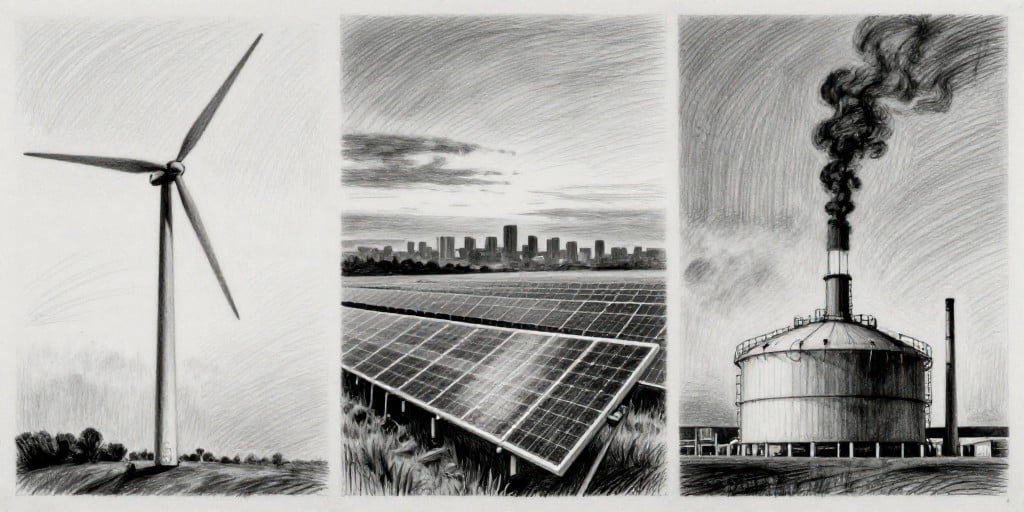
TotalEnergies SE announced in August 2026 the acquisition of a substantial onshore solar and wind portfolio from Shell, marking a decisive shift toward large‑scale renewable generation. The transaction transferred approximately 4 GW of solar and wind capacity located in Italy, the Netherlands, the United Kingdom, and Spain to the French company. In the same deal, a 50 % equity stake in the assets was sold to the private‑equity firm KKR, following a prior sale of TotalEnergies’ North‑American solar assets to the same investor earlier that year.
Portfolio Consolidation and Focus on Utility‑Scale Projects
The onshore portfolio represents a key element of TotalEnergies’ broader renewable strategy, which prioritises utility‑scale, grid‑connected projects over smaller distributed‑generation assets. In line with this approach, the company simultaneously divested its distributed‑solar holdings—approximately 170 MW spread across seven European countries—to Amarenco and AMPYR Distributed Energy. TotalEnergies stated that the divestiture would not affect its projected renewable development pace, which it expects to sustain at roughly 8 GW of new capacity annually through 2030.
This dual movement underscores a strategic realignment aimed at optimising the capital structure, reducing exposure to lower‑margin, small‑scale operations, and reallocating resources toward high‑yield, large‑scale renewable developments that align with the company’s long‑term decarbonisation objectives.
Complementary Natural‑Gas and LNG Developments
While the company pushes forward with renewable projects, it continues to reinforce its natural‑gas and LNG businesses. TotalEnergies recently shipped the first cargo from the ECA LNG Phase 1 terminal in Mexico, a project designed to supply Asian markets with U.S.‑derived liquefied natural gas. The company’s stake in the terminal, together with its broader LNG portfolio, supports a strategic aim to increase natural‑gas sales to close to 50 % of total output by 2030.
This dual‑track strategy reflects the broader energy transition, whereby firms maintain a significant natural‑gas presence to bridge the gap to a net‑zero future while aggressively expanding renewable capacity to capture long‑term growth in low‑carbon markets.
Market Reception and Investor Sentiment
Market reactions to the renewable acquisitions were muted. The announcement coincided with a sharp decline in oil and gas prices following a U.S. decision to postpone new military actions in Iran, yet TotalEnergies’ share price fell only modestly. Analysts interpret this stability as an indication that investors recognise the company’s long‑term energy mix is shifting toward lower‑carbon assets while maintaining a robust natural‑gas portfolio.
The sale to KKR and the divestment of distributed‑solar assets were seen as part of a broader portfolio optimisation plan, aimed at freeing capital for large‑scale renewable projects and reducing exposure to small‑scale, lower‑margin operations. The market therefore views these moves as prudent risk‑management and value‑creation measures, reinforcing confidence in TotalEnergies’ capacity to navigate the evolving energy landscape.
Broader Implications for the Energy Sector
TotalEnergies’ actions exemplify a growing trend among integrated energy companies to re‑allocate resources from fragmented, small‑scale renewable assets to large‑scale, utility‑connected projects that offer greater scalability, grid integration benefits, and predictable revenue streams. The simultaneous investment in LNG infrastructure highlights the ongoing role of natural gas as a transitional fuel, providing flexibility and lower‑carbon options for emerging markets.
By maintaining a diversified portfolio that spans renewable generation, natural‑gas supply, and LNG logistics, TotalEnergies positions itself to capitalize on shifting demand patterns, regulatory changes, and technological advancements across the energy value chain. This balanced approach aligns with fundamental business principles of risk diversification, capital efficiency, and strategic foresight, ensuring the company remains competitive as global economic trends increasingly prioritise decarbonisation and sustainable energy solutions.