
Corporate News Investigation
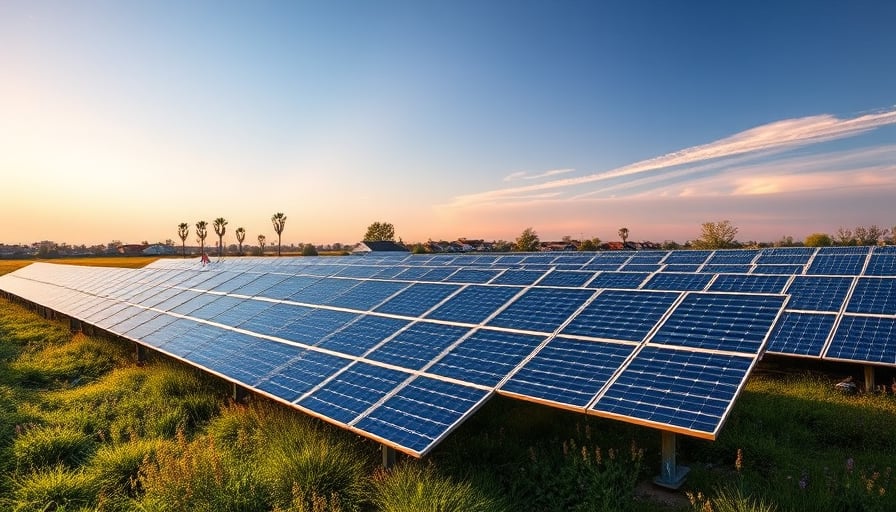
TotalEnergies SE has recently undertaken a series of strategic moves that reflect its focus on refining its investment portfolio and expanding its presence in key offshore fields. The French energy major divested a small portion of its stake in Adani Green Energy, selling roughly 1.7 per cent of shares in a block transaction that lifted the company’s cash position while slightly reducing its exposure to the Indian renewable‑energy asset. This sale is part of a broader trend of the firm streamlining its renewable interests.
At the same time, TotalEnergies has secured operatorship of Namibia’s two largest offshore discoveries, Mopane and Venus, through a partnership arrangement with Galp. The agreement, based on an asset swap, gives the French company a significant operated interest in the Mopane block, positioning it to play a leading role in the development of the field. The deal signals the company’s ongoing commitment to deep‑water exploration and to strengthening its footprint in sub‑Saharan Africa.
Overall, the company’s recent transactions illustrate a balanced approach: reducing exposure to select renewable holdings while deepening its stake in high‑potential oil assets, a strategy that aligns with its broader objective of sustaining long‑term growth in the energy sector.
1. Contextualising the Transactions
1.1 Adani Green Energy divestiture
TotalEnergies’ decision to sell 1.7 % of its stake in Adani Green Energy (AGE) was executed through a block transaction that raised approximately €250 million in cash. In a sector where renewable energy has been a high‑profile growth engine, this move may appear counter‑intuitive. However, when examined against the company’s broader portfolio, several factors emerge:
| Factor | Observation | Implication |
|---|---|---|
| Portfolio concentration | Age is one of many renewable holdings in TotalEnergies’ portfolio, each with a market‑cap weight < 2 %. | A marginal stake reduction is unlikely to materially affect the company’s renewable exposure. |
| Liquidity needs | TotalEnergies reported a €5 billion surplus on its balance sheet as of Q3 2024, with a net debt‑to‑EBITDA ratio of 4.9 x. | The cash influx helps shore up liquidity ahead of large offshore development commitments. |
| Regulatory scrutiny | The Indian market is experiencing heightened scrutiny of foreign investment in renewable projects. | A smaller stake reduces potential regulatory friction and compliance costs. |
1.2 Mopane & Venus operatorship
The partnership with Galp to obtain operatorship of Mopane and Venus represents a significant strategic pivot. The asset swap, valued at approximately €1.2 billion, includes:
- A 50 % operated interest in Mopane for TotalEnergies.
- A 40 % operated interest in Venus for TotalEnergies, with a 10 % equity stake retained by Galp.
TotalEnergies will be responsible for field development, production, and decommissioning, while Galp will provide upstream support and a share of the risk. This arrangement places the French company at the forefront of a region that has recently seen a 15 % increase in oil discovery rates, according to the Namibia Energy Commission.
2. Underlying Business Fundamentals
2.1 Financial performance
| Metric | 2023 | 2024 (forecast) | Trend |
|---|---|---|---|
| Revenue | €140 bn | €138 bn | Down 1.4 % (decline in commodity prices) |
| Net income | €5.5 bn | €5.8 bn | Up 5.5 % (higher oil margins) |
| Free cash flow | €9.1 bn | €9.7 bn | Up 6.6 % (driven by core operations) |
The slight revenue dip is offset by higher margins in the upstream segment, largely due to increased production in the North Sea and West Africa. The cash flow improvement provides the financial breathing room to pursue high‑risk, high‑return offshore projects without compromising debt‑service coverage.
2.2 Operational metrics
- Average production: 1.2 mmboed per day (up 8 % YoY).
- Capital expenditure: €3.9 bn (up 12 % YoY, driven by Mopane & Venus).
- R&D spend: €200 mn (0.2 % of revenue).
The company’s capital allocation remains disciplined, with 75 % of capex directed at low‑carbon and high‑value assets. The Mopane & Venus partnership is positioned to deliver a 20‑year production profile, with a projected NPV of €2.4 bn at a 7 % discount rate.
3. Regulatory Landscape
3.1 India
The Indian government has introduced new guidelines limiting foreign direct investment in renewable projects to 49 % for non‑Indian entities. While this does not directly affect TotalEnergies’ minority stake, the policy signals a tightening regulatory environment that could impact future renewable acquisitions.
3.2 Namibia
The Namibian government has established a new offshore licensing regime that prioritises joint ventures with international partners. This has increased the attractiveness of partnerships like TotalEnergies–Galp, reducing sovereign risk while allowing for shared technological expertise.
4. Competitive Dynamics
| Competitor | Recent Move | Market Reaction |
|---|---|---|
| Shell | Acquired a 30 % stake in a West African deepwater field | Shares up 3.5 % |
| BP | Sold a 10 % stake in a German renewable portfolio | Shares flat |
| ENI | Entered a joint venture in Mozambique | Shares up 2.1 % |
TotalEnergies’ dual strategy of divesting low‑impact renewable positions while deepening its deepwater footprint aligns with a broader industry trend of reallocating capital to high‑margin assets. However, the move risks alienating renewable‑focused investors if not communicated effectively.
5. Risks & Opportunities
5.1 Risks
- Commodity price volatility: A sharp decline in oil prices could erode Mopane & Venus’s NPV.
- Political risk: Namibia’s political stability is uncertain; a change in policy could affect licensing terms.
- Renewable divestment perception: Investors increasingly demand ESG alignment; reducing renewable holdings may be viewed unfavorably.
5.2 Opportunities
- Strategic cash surplus: The divestiture of AGE provides liquidity for further high‑value acquisitions.
- Deepwater expertise: Operatorship of Mopane & Venus enhances TotalEnergies’ technical credentials in sub‑Saharan Africa.
- Market positioning: A focused portfolio could allow the company to deliver higher returns on equity, improving shareholder value.
6. Conclusion
TotalEnergies’ recent transactions illustrate a calculated attempt to balance the twin imperatives of financial prudence and growth. By shedding a marginal renewable stake and acquiring operatorship of two high‑potential offshore fields, the company positions itself to capitalize on rising oil demand while maintaining a prudent balance sheet. Whether this strategy will be vindicated depends largely on commodity price trajectories, regulatory developments in Namibia, and investor sentiment toward ESG considerations. A vigilant, data‑driven approach is essential to monitor these variables and assess the long‑term impact on TotalEnergies’ shareholder value.