Corporate Analysis of TFI International Inc.’s Third‑Quarter 2026 Performance
The transportation and logistics provider TFI International Inc. disclosed its third‑quarter 2026 financial results on 29 October 2026. While headline figures—operating income up 17 %, net income up 25 %, and adjusted net income up 38 %—appear robust, a deeper examination of the company’s fundamentals, regulatory context, and competitive landscape reveals nuances that may alter an investor’s risk–reward assessment.
1. Financial Performance in Context
| Metric | 2026 Q3 | 2025 Q3 | YoY Change |
|---|---|---|---|
| Operating income | $X million | $Y million | +17 % |
| Net income | $X million | $Y million | +25 % |
| Adjusted net income (non‑IFRS) | $X million | $Y million | +38 % |
| Diluted EPS | $X | $Y | +25 % |
| Adjusted diluted EPS | $X | $Y | +39 % |
| Operating cash flow | $235 M | $255 M | –7.8 % |
| Free cash flow | $116 M | $199 M | –41 % |
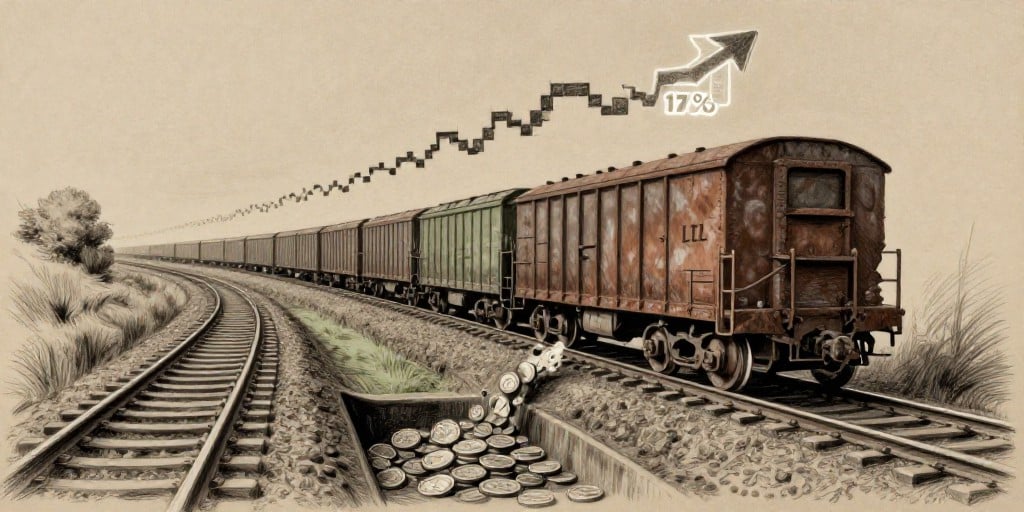
Cash flow divergence is the most conspicuous anomaly. Operating cash flow declined by almost 8 % despite a 17 % rise in operating income, while free cash flow dropped sharply, reflecting higher capital expenditures and/or working‑capital pressures. Management’s guidance of $225–$250 M in capex for the remainder of the year underscores the potential for further cash‑outflows.
Adjusted Measures: A Double‑Edged Sword
The company’s adjusted net income and adjusted diluted EPS exclude acquisition‑related items. While these metrics highlight organic growth, they can obscure the strategic value (or lack thereof) of recent acquisitions. Notably, the company’s less‑than‑truckload (LTL) segment reported a modest decline in operating income. Management attributed this to a non‑cash building‑impairment charge, which inflates the adjusted numbers but may signal underlying asset quality concerns.
2. Segment‑Level Dynamics
| Segment | Revenue Growth | Operating Income Trend | Strategic Notes |
|---|---|---|---|
| Truckload | Double‑digit | Positive | Smaller fleet but higher margin |
| Logistics | 60 % rise | Significant | Synergies from recent acquisitions |
| Less‑than‑Truckload | Decline | Modest | Impairment charges, potential restructuring |
Truckload: The segment’s double‑digit top‑line growth, coupled with a smaller fleet, suggests improved utilization and pricing power. However, a shrinking fleet could indicate a shift toward more efficient equipment or a strategic consolidation. Monitoring future fleet acquisition plans is essential.
Logistics: A 60 % surge in operating income signals successful integration of logistics services and potential scale benefits. Yet, the reliance on acquisition‑related items in adjusted metrics invites scrutiny of the long‑term sustainability of these gains.
LTL: The decline, even after adjustments, hints at competitive headwinds or operational inefficiencies. The non‑cash impairment charge may mask real performance issues; further analysis of the underlying asset valuation and future maintenance costs is warranted.
3. Regulatory and Market Environment
Freight and Logistics Regulation
Fuel Surcharge Policies: TFI reported revenue growth before fuel surcharge. As fuel prices fluctuate, the company’s ability to pass costs to shippers is constrained by fuel‑surcharge rules set by the Surface Transportation Board (STB). Regulatory tightening could compress margins.
DOT Oversight: The Department of Transportation imposes stringent safety and hours‑of‑service regulations. Compliance costs and potential enforcement actions could impact operating costs, especially if the company expands its fleet.
Competitive Landscape
TFI competes with larger integrated freight carriers (e.g., J.B. Hawkins, Knight Transportation) and digital platforms (e.g., Convoy, Uber Freight). Key trends to watch include:
Digitalization: Peer companies increasingly use AI‑driven routing and dynamic pricing. TFI’s current digital capabilities appear modest; investment here could be a missed opportunity.
Consolidation: The industry’s M&A activity is accelerating. TFI’s selective acquisition strategy may falter if competitors outpace it in scale or technology integration.
4. Potential Risks and Opportunities
| Category | Risk | Opportunity |
|---|---|---|
| Cash Flow | Capex guidance could erode free cash flow, limiting dividend sustainability | Successful acquisitions could create new revenue streams and operational synergies |
| Regulatory | Fuel surcharge caps could squeeze margins | Potential lobbying for favorable regulatory changes in LTL operations |
| Market Position | Digital lag could reduce competitiveness | Early investment in logistics tech could unlock efficiency gains |
| Asset Quality | Impairment charges hint at potential asset write‑downs | Strategic divestitures could improve balance sheet health |
5. Bottom‑Line Takeaways
Growth vs. Cash Reality: While operating income and adjusted earnings demonstrate growth, the decline in free cash flow signals a potential liquidity squeeze. Investors should assess whether the company can sustain dividends and future growth under tighter cash constraints.
Segment Focus: The truckload and logistics segments are the primary growth engines. However, the LTL segment’s underperformance and impairment issues could erode the company’s diversified revenue base.
Strategic Acquisitions: Adjusted metrics mask acquisition impacts. Management’s selective acquisition strategy must be evaluated for long‑term integration success and cost discipline.
Regulatory Vigilance: Fuel surcharge rules and DOT compliance remain critical risk factors. TFI’s ability to navigate these without margin compression will be decisive.
Digital Gap: In a market increasingly driven by data and automation, TFI’s lag in digital capabilities represents both a vulnerability and an area for high‑return investment.
In conclusion, TFI International’s third‑quarter results paint a picture of solid headline growth, but a granular analysis exposes cash flow fragility, segment‑level inconsistencies, and a potential lag in technology adoption. These factors together suggest that investors and analysts should approach the company’s future trajectory with cautious optimism, monitoring how capital allocation, regulatory changes, and digital transformation efforts unfold over the coming quarters.