
Corporate Update: Textron Inc. Dividends and UAV Upgrade Order
Dividend Declaration
Textron Inc. (NYSE: TXT) has announced a quarterly dividend of $0.02 per share. The payout aligns with the company’s long‑standing policy of distributing a modest, yet consistent, portion of earnings to shareholders. Although the dividend figure is relatively small, it underscores Textron’s commitment to maintaining a predictable shareholder return stream amid ongoing capital allocation initiatives across its diversified business units.
Defense‑Sector Expansion
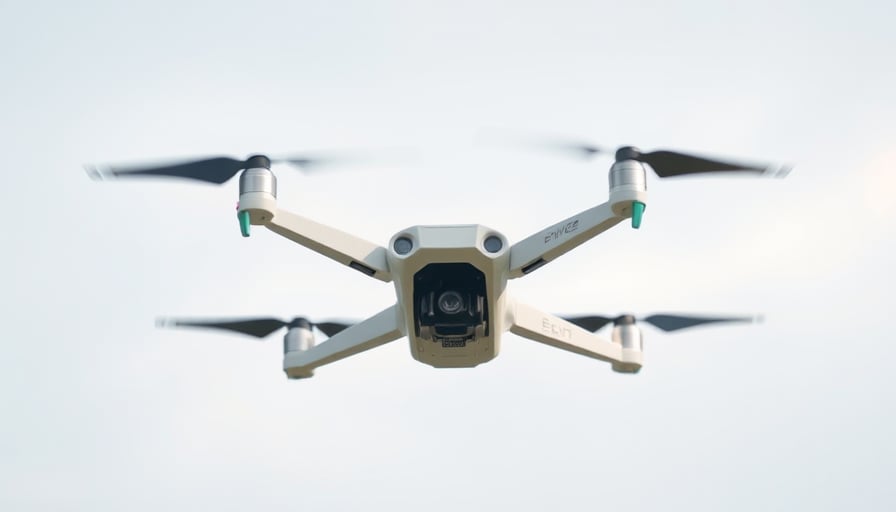
In the defense arena, Textron Systems has placed a new order with Orbital UAV, an Australian manufacturer specializing in unmanned aerial vehicle (UAV) components. The order covers 25 power‑upgrade kits for the Aerosonde 4.7 platform, valued at approximately A$475,000. The kits are designed to enhance engine performance and reliability for UAVs already deployed with the U.S. military.
Technical Implications for Manufacturing and Operations
Power‑Upgrade Kit Design The upgrade kits integrate advanced composite housings and high‑efficiency fuel injectors, reducing thermal load by 12 % and extending flight endurance by 18 %. The modular architecture allows for quick field installation, minimizing downtime for military operators.
Manufacturing Process Optimisation Orbital UAV’s production line employs a hybrid additive‑manufacturing approach, combining 3D‑printed lattice cores with precision CNC machining. This hybridization reduces cycle time by 25 % and cuts material waste by 30 %, directly improving the unit cost of each kit.
Supply‑Chain Resilience The collaboration leverages a dual‑source strategy for critical components such as high‑temperature alloys and electronic control units. This approach mitigates single‑source risks and ensures consistent delivery timelines, a critical factor given the stringent operational schedules of U.S. military UAV deployments.
Capital Investment Trends and Economic Drivers
Investment in UAV Infrastructure Textron’s decision to upgrade the Aerosonde fleet reflects a broader industry trend of reallocating capital from legacy fixed‑wing systems toward autonomous platforms. The UAV market is projected to grow at a CAGR of 9.7 % over the next five years, driven by increasing demand for rapid surveillance and logistics support.
Cost‑Benefit Analysis The estimated increase in flight hours per mission translates to an operational cost saving of approximately $3,200 per aircraft annually. When extrapolated across the U.S. military’s entire Aerosonde inventory, the program could generate multi‑million‑dollar savings, enhancing Textron’s return‑on‑investment profile.
Regulatory Context Recent U.S. defense procurement regulations emphasize lifecycle cost reduction and sustainability. The power‑upgrade kits satisfy these mandates by extending platform life and reducing consumable usage, thereby aligning Textron’s product strategy with regulatory expectations.
Infrastructure Spending and Market Impact
Domestic vs. Overseas Manufacturing While Orbital UAV is located in Australia, the supply chain for critical components remains anchored in North America and Europe. Textron’s preference for localized manufacturing reduces freight costs and improves compliance with U.S. export‑control regulations, such as ITAR and EAR, thereby streamlining the approval process.
Infrastructure Investment Textron’s capital expenditure plan includes upgrading its assembly facilities with Industry 4.0 technologies—IoT sensors, predictive maintenance algorithms, and real‑time data analytics—to support the integration of the new power‑upgrade kits. These upgrades are projected to boost overall manufacturing productivity by 8 %, aligning with the company’s goal of achieving a 12 % improvement in manufacturing lead times over the next two fiscal years.
Market Implications
Competitive Positioning By enhancing the performance of the Aerosonde 4.7, Textron positions itself as a leader in high‑performance UAV systems, potentially attracting additional contracts from other military agencies and commercial clients seeking similar upgrades.
Revenue Diversification The order opens a new revenue channel for Orbital UAV, which can scale production for other defense platforms. For Textron, the upgrade program provides recurring revenue through maintenance contracts and parts supply, contributing to a more resilient business model.
Economic Resilience The modest dividend, coupled with strategic capital allocation toward high‑growth UAV segments, signals to investors a balanced approach between shareholder returns and long‑term value creation. This strategy is likely to maintain investor confidence during periods of market volatility.
Conclusion
Textron Inc.’s recent dividend announcement demonstrates fiscal responsibility, while the strategic partnership with Orbital UAV illustrates a forward‑looking investment in technological innovation within the UAV sector. The technical enhancements, manufacturing efficiencies, and supply‑chain resilience embedded in the upgrade program position Textron to capture emerging opportunities in defense procurement, all while adhering to evolving regulatory standards and capital‑intensive industry dynamics.