Tesla Inc.: Navigating a Volatile Intersection of Technology, Energy, and Capital Expenditure
Market Context and Immediate Impact
During the week of 13–17 October, Tesla Inc. experienced a pronounced decline in its share price, mirroring broader weakness across the technology sector. The Nasdaq and S&P 500 indices recorded losses, driven by steep falls in high‑tech names, with Tesla’s shares contributing significantly to the downturn. In contrast, energy stocks gained traction as oil prices climbed, buoying energy‑linked indices, while consumer‑staple and utility stocks offered a stabilizing counterbalance.
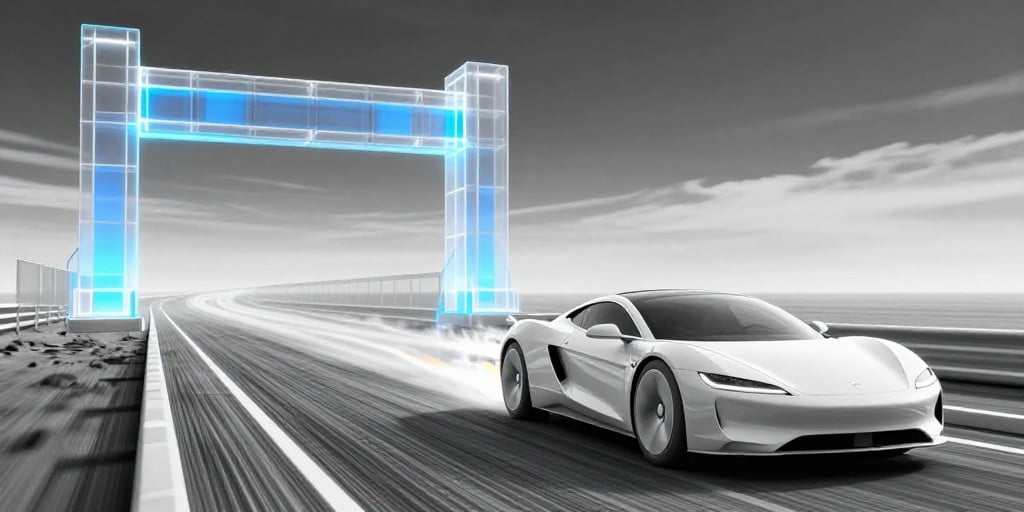
Tesla’s market value contraction coincided with the unveiling of its second‑generation Roadster in Texas, a vehicle that introduces a novel flight‑capability system. While the launch showcased advanced engineering, analysts emphasized that the commercial prospects remain uncertain. This uncertainty, coupled with broader sectoral volatility—particularly in the semiconductor index and AI‑chip/cloud‑computing names—has amplified investor caution.
Underlying Business Fundamentals
Capital‑Expenditure Ambiguity
Market participants are keenly watching Tesla’s upcoming earnings report for capital‑expenditure (CapEx) plans. Historically, Tesla’s aggressive CapEx has been a driver of growth, yet it also contributes to liquidity pressures. With the broader market grappling with debt‑servicing concerns for AI‑related firms and rising interest rates, Tesla’s ability to fund future projects without compromising financial stability is under scrutiny.
A preliminary analysis of Tesla’s balance‑sheet indicates that its debt‑to‑equity ratio has risen modestly over the past fiscal year, suggesting increased leverage. However, the company’s cash‑flow‑from‑operations remains robust, providing a cushion for moderate CapEx outlays. The introduction of the flight‑capability Roadster could spur additional CapEx, but the commercial viability of such a niche product remains speculative.
Product Strategy and Competitive Dynamics
The Roadster’s flight‑capability feature positions Tesla at the intersection of electric‑vehicle (EV) and aerospace technology—an area largely unexplored by competitors. Nevertheless, the regulatory environment for aircraft‑grade vehicles is stringent, requiring certifications that could delay market entry. Additionally, consumer demand for an ultra‑high‑performance, dual‑mode vehicle may be limited, raising questions about revenue generation versus R&D expenditures.
Tesla’s competitors, such as Rivian, Lucid, and traditional automakers integrating electrification, are expanding their product lines without venturing into flight technology. This divergence presents a first‑mover advantage for Tesla if the product materializes, but it also exposes the company to high sunk costs and potential technology obsolescence should the market reject the concept.
Energy Sector Interplay
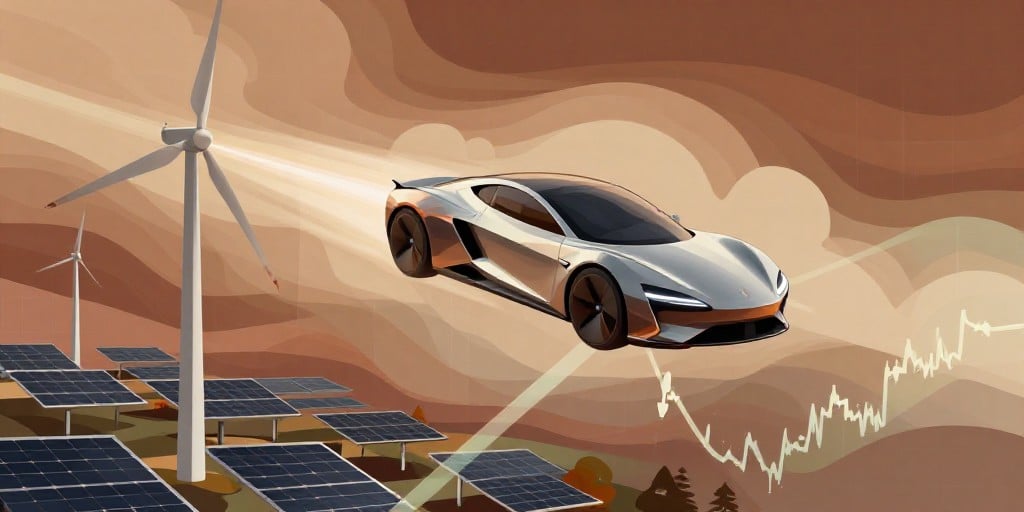
Oil price fluctuations have a dual impact on Tesla. On one hand, higher oil prices reduce the cost advantage of EVs relative to internal combustion vehicles, potentially dampening demand. On the other hand, rising oil prices support energy stocks, improving investor sentiment in the broader market. Tesla’s energy division—including Powerwall, Powerpack, and Solar Roof—benefits from an environment where consumers are more inclined to invest in renewable infrastructure to hedge against volatile fuel costs. However, the company’s energy‑division revenue represents a smaller fraction of total sales, limiting the extent to which it can offset automotive headwinds.
Regulatory Environment
The Federal Aviation Administration (FAA) and international aviation bodies will likely scrutinize the flight‑capability Roadster. Certification processes could span multiple years and involve significant testing costs. Additionally, environmental regulations concerning emissions and safety standards for hybrid propulsion systems may impose further compliance burdens.
In the automotive domain, Tesla already navigates a patchwork of regulations across jurisdictions. The addition of an aircraft‑grade component introduces a new regulatory layer that could impact product launch timelines, price points, and market access. This regulatory complexity amplifies the risk profile of the project.
Competitive Dynamics and Market Research
AI and Semiconductor Pressures
The AI sector is experiencing a surge in capital allocation, yet concerns about sustainability of expansion and financing costs persist. Tesla’s autopilot and full‑self‑driving (FSD) initiatives are heavily reliant on AI and semiconductor technology. However, the negative performance of AI‑chip and cloud‑computing stocks indicates a cooling of investor enthusiasm. Tesla’s supply chain for advanced chips faces potential bottlenecks, especially if competitors secure preferential access through strategic partnerships or vertical integration.
Consumer‑Staple and Utility Resilience
While high‑tech names faltered, consumer‑staple and utility stocks provided a buffer against volatility. Tesla’s strategic positioning as a technology company with significant energy division exposure could align it closer to the energy sector rather than purely tech. Investors may therefore view Tesla’s performance through a lens that blends both technology risk and energy stability.
Risks and Opportunities
| Opportunity | Risk |
|---|---|
| First‑mover advantage in flight‑capable EV segment | Uncertain commercial viability |
| Expansion of energy division amid rising oil prices | Limited revenue contribution |
| Strong operational cash flow to support CapEx | Rising interest rates increasing debt servicing costs |
| Diversification into aerospace technology | Regulatory delays and certification costs |
| Potential synergies between AI, semiconductors, and autonomous driving | AI and semiconductor supply chain bottlenecks |
Uncovered Trend: Energy‑Linked Synergies
An often-overlooked trend is the synergy between Tesla’s automotive and energy divisions. Rising oil prices not only depress demand for EVs but simultaneously enhance the attractiveness of renewable energy solutions. Tesla’s Powerwall and Solar Roof offerings could see increased adoption as consumers seek to offset higher fuel costs with sustainable alternatives. However, this opportunity hinges on the company’s ability to market these solutions effectively and manage supply chain constraints.
Skeptical Inquiry: Is the Flight‑Capability Roadster a Strategic Diversion?
The flight‑capability feature may serve as a strategic diversion from core automotive challenges, such as tightening margins and production scalability. Critics argue that the substantial R&D investment could strain resources that might be better allocated to improving battery chemistry, manufacturing efficiency, or expanding production capacity in emerging markets. Investors must evaluate whether Tesla’s leadership is prioritizing long‑term innovation or short‑term hype.
Conclusion
Tesla Inc.’s share decline during the 13–17 October window reflects a confluence of factors: an ambitious but uncertain product launch, heightened regulatory scrutiny, competitive pressures in AI and semiconductors, and macroeconomic forces such as rising oil prices and tightening monetary policy. While the company’s robust cash flows provide a buffer, the potential for elevated CapEx and regulatory delays introduces significant risk. Investors should weigh these dynamics against Tesla’s historical resilience and strategic diversification across automotive and energy sectors.