Tesla’s Strategic Expansion of Solar Manufacturing and Autonomous Driving Review
Tesla Inc. has announced plans to dramatically increase its solar manufacturing footprint in the United States, while concurrently facing intensified scrutiny from the National Highway Traffic Safety Administration (NHTSA) over its Full Self‑Driving (FSD) system. The dual developments underscore the company’s ambition to diversify its energy portfolio and solidify its position as a leader in autonomous vehicle technology.
1. Solar Production Capacity: A 100‑Gigawatt Ambition
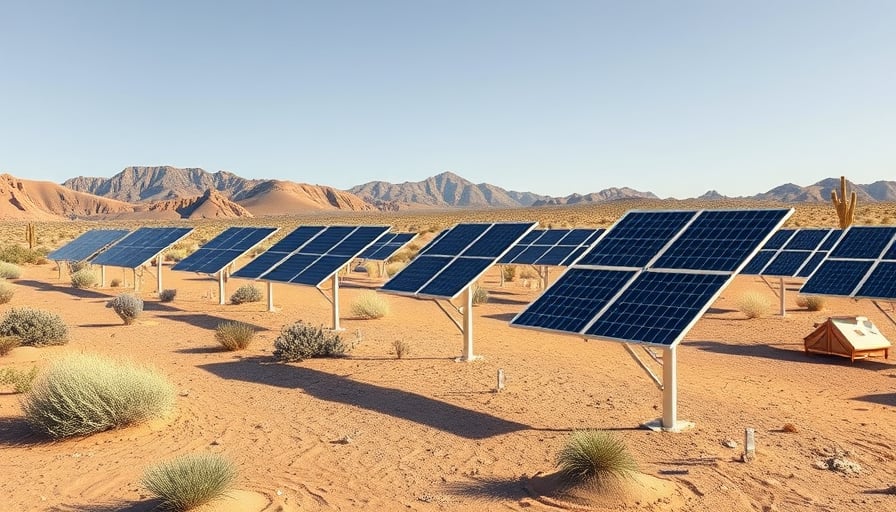
Tesla is in advanced negotiations to acquire a substantial quantity of solar cell and panel production equipment from several Chinese suppliers. The planned investment, aimed at adding 100 gigawatts of solar production capacity by 2028, is intended to:
- Support Tesla’s internal energy needs for its manufacturing facilities, Gigafactories, and data centers.
- Supply power for SpaceX satellites, aligning with Elon Musk’s broader vision of a vertically integrated space‑energy ecosystem.
- Position Tesla as a key player in the U.S. renewable‑energy market, delivering not only solar products but also the manufacturing expertise required to scale them.
Supply‑Chain Dynamics
The equipment, including screen‑printing lines and other specialized machinery, is largely sourced from China. A significant portion of the order will require export approval from Beijing, reflecting ongoing geopolitical sensitivities around technology transfer. This scenario illustrates:
- The continued reliance of U.S. clean‑energy projects on Chinese manufacturing technology, even as the United States pushes to strengthen domestic supply chains.
- The need for a balanced approach: while domestic manufacturing capabilities are essential for national resilience, the cost‑competitiveness and rapid innovation cycle of Chinese suppliers remain attractive for companies operating at scale.
Competitive Positioning
Tesla’s move into large‑scale solar manufacturing follows its successful transition from a niche electric‑vehicle (EV) manufacturer to a diversified clean‑energy conglomerate. By vertically integrating solar production, Tesla seeks to:
- Reduce input costs for its energy division and lower the total cost of ownership for end‑users.
- Create synergies between its battery, solar, and vehicle platforms, thereby reinforcing its “energy ecosystem” narrative.
- Capture a larger share of the U.S. solar market, which is projected to grow at a compound annual growth rate (CAGR) of 6–8 % through 2030.
2. NHTSA’s Intensified Review of Full Self‑Driving
Concurrently, the U.S. National Highway Traffic Safety Administration has intensified its review of Tesla’s Full Self‑Driving (FSD) system. Recent accident data analyses have highlighted potential challenges in low‑visibility conditions—including rain, fog, and nighttime scenarios—raising concerns among regulators and safety experts.
Key Points of the Investigation
- Camera‑Only Architecture: Tesla’s FSD relies exclusively on camera input, foregoing radar and LiDAR. The agency is scrutinizing whether this design is sufficient for safe navigation under varied environmental conditions.
- Accident Trends: Preliminary reports suggest a higher incidence of incidents involving FSD in low‑visibility weather, prompting questions about the robustness of the perception‑and‑decision pipeline.
- Regulatory Expectations: The NHTSA is examining whether Tesla’s current safety validation processes meet the statutory thresholds for advanced driver assistance systems (ADAS).
Tesla’s Response
CEO Elon Musk maintains confidence in the camera‑only approach, emphasizing the company’s continuous improvements in computer vision, neural network training, and over‑the‑air updates. Musk also stresses the broader deployment of its autonomous driving software as a long‑term strategy for reducing traffic fatalities and enhancing mobility.
3. Strategic Implications and Broader Economic Trends
3.1. Dual Focus on Renewable Energy and Autonomous Mobility
Tesla’s simultaneous pursuit of solar manufacturing expansion and autonomous vehicle development reflects a broad strategic vision:
- Energy Independence: By producing solar panels domestically, Tesla aims to reduce its reliance on external suppliers and mitigate supply‑chain disruptions.
- Mobility Transformation: Advancing FSD technology is central to Tesla’s mission to accelerate the world’s transition to sustainable transportation.
3.2. Cross‑Industry Synergies
The integration of solar production and autonomous vehicles generates several cross‑industry benefits:
- Data‑Driven Optimization: Tesla’s data infrastructure can be leveraged across both solar and automotive segments, improving predictive maintenance, supply‑chain logistics, and energy efficiency.
- Shared AI Platforms: The same deep‑learning frameworks used for FSD can enhance solar panel defect detection and manufacturing process control.
3.3. Economic Drivers
- Supply‑Chain Resilience: The U.S. emphasis on domestic manufacturing, coupled with Tesla’s strategic procurement from China, highlights the ongoing tension between self‑reliance and global cost efficiencies.
- Regulatory Environment: Safety reviews of autonomous systems are likely to shape the regulatory landscape for ADAS, affecting industry standards, liability frameworks, and consumer confidence.
- Capital Allocation: The 2028 solar capacity target will require significant capital outlay, potentially influencing Tesla’s capital structure, investor expectations, and market valuation.
4. Conclusion
Tesla’s expansion into large‑scale solar manufacturing and the intensified scrutiny of its Full Self‑Driving system illustrate the company’s dual commitment to energy and mobility sectors. These initiatives are guided by fundamental business principles—cost leadership, vertical integration, and technological leadership—while navigating complex geopolitical, regulatory, and economic landscapes. As the company pushes the boundaries of both clean energy and autonomous driving, stakeholders will closely monitor its ability to balance rapid innovation with safety, supply‑chain resilience, and sustainable growth.