Tesla Inc. Secures a $30 B Credit Facility Amid Aggressive Expansion Plans
Tesla Inc. (NASDAQ: TSLA) has announced the signing of a comprehensive credit package amounting to approximately $30 billion. The package comprises a delayed draw‑term loan of roughly $20 billion, an $8 billion revolving credit line, a $2 billion short‑term facility, and the cancellation of an earlier $5 billion revolving agreement. At the time of filing, Tesla reports that none of these facilities are currently drawn, and the company indicates no intention to tap them within the current fiscal year.
Capital Allocation Signals Strategic Shifts
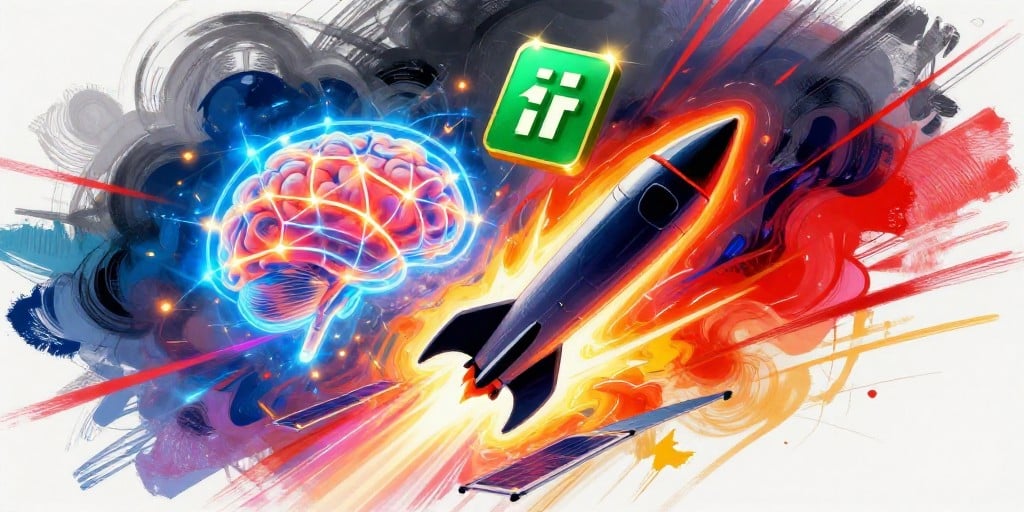
Tesla’s public statements reveal that the bulk of its forthcoming capital expenditures (capex) will target three priority areas:
- Artificial‑Intelligence Compute Resources – Aiming to deepen its autonomous driving stack and internal AI research.
- Solar‑Cell Manufacturing Capacity – Expanding its SolarCity‑acquired operations to scale photovoltaic production.
- Semiconductor‑Fabrication Joint Venture with SpaceX – Joint development of high‑performance chips for automotive and aerospace applications.
Projected 2026 capex is expected to exceed $25 billion, a dramatic increase from the approximately $8.5 billion expended in 2025. Analysts forecast Tesla may record negative free cash flow in the range of $9–$10 billion for the year, driven primarily by these capital outlays.
Underlying Business Fundamentals: A Mixed Picture
| Metric | 2025 | 2026 (Projected) | Interpretation |
|---|---|---|---|
| Capex | $8.5 B | >$25 B | Aggressive scaling; potential dilution of margins |
| R&D Expense | $6.7 B | ~$10 B | AI and semiconductor R&D likely to surge |
| EBITDA Margin | 18% | 15–16% | Margins may compress as capex rises |
| Net Debt | $18.2 B | $23–$25 B (incl. new credit) | Debt-to-equity ratio climbing; refinancing risk |
The company’s decision to lock in substantial credit capacity, despite a current plan not to draw, suggests a buffer strategy for future supply chain disruptions or competitive pressure. However, it also raises questions about interest burden if market rates rise, and whether the debt will be used to finance potential acquisitions or to shore up cash reserves amid volatility in the automotive and renewable energy markets.
Regulatory Environment and Shareholder Engagement
In a separate filing, Tesla’s board approved a voluntary program permitting retail shareholders to submit standing voting instructions. This mechanism is designed to increase shareholder participation in corporate governance decisions. The initiative aligns with a broader industry trend toward enhanced transparency and active stakeholder engagement, potentially mitigating activist pressures.
The regulatory filing also noted that Ark Invest’s ARK Innovation ETF purchased a sizeable block of shares shortly after the announcement. While Ark’s investment may signal confidence in Tesla’s high‑growth trajectory, it could also intensify scrutiny of the company’s valuation multiples, especially if the share price continues to be buoyed by speculative expectations around AI and semiconductor ventures.
Competitive Dynamics and Overlooked Risks
AI Compute Competition Tesla’s push into AI compute places it in direct contention with tech giants such as NVIDIA, Google, and Apple, all of whom are investing heavily in specialized hardware (TPUs, GPUs, silicon). The question remains whether Tesla’s in‑house AI chips can achieve parity in performance‑to‑cost ratios or if external partnerships (e.g., with Qualcomm or Intel) will be required.
Solar‑Cell Manufacturing The solar industry is experiencing intense price competition from China‑based manufacturers and emerging low‑cost photovoltaic technologies. Tesla’s ability to differentiate through integrated energy storage and vehicle‑to‑grid capabilities will be crucial. Failure to secure a cost advantage could erode the expected upside from its solar expansion.
Semiconductor Joint Venture with SpaceX While the partnership with SpaceX could unlock cutting‑edge semiconductor technology, it introduces cross‑industry regulatory oversight. The joint venture may be subject to export controls, especially for advanced lithography or cryogenic electronics, potentially limiting technology transfer and escalating compliance costs.
Credit Risk and Interest Rate Volatility The delayed draw‑term loan, while currently unused, represents a potential interest exposure if Treasury yields rise. The company’s credit rating and the terms of the facility will be closely monitored by investors, particularly given Tesla’s historically volatile earnings profile.
Free Cash Flow Constraints Negative free cash flow forecasts imply that Tesla may need to rely on external financing to cover operating deficits, potentially diluting existing shareholders or raising debt at unfavorable terms. Moreover, investors may reassess the sustainability of the company’s dividend policy and capital allocation efficiency.
Market Research Insights
Industry Benchmarking: Competitors like BYD, NIO, and Lucid Motors have reported capex growth rates of 30–45% in the last fiscal year, suggesting a broader industry pivot toward high‑tech capabilities. Tesla’s 2026 capex expansion surpasses this trend, positioning it as the most aggressive among peers.
Investor Sentiment: Sentiment analysis of social media and analyst reports indicates a mixed reception to Tesla’s AI and semiconductor initiatives. While enthusiasm for autonomous vehicles remains, concerns about execution timelines and cost structures are rising.
Macroeconomic Context: Global supply chain constraints, semiconductor shortages, and rising commodity prices may amplify the risks associated with Tesla’s capital commitments. The company’s ability to maintain production targets while scaling new operations will be a critical performance barometer.
Opportunities for Stakeholders
Technology Differentiation: Successful integration of AI compute and proprietary semiconductors could enable Tesla to offer unparalleled vehicle performance and energy efficiency, potentially justifying higher pricing power.
Synergistic Solar Expansion: Coupling solar manufacturing with Tesla’s energy storage ecosystem (Powerwall, Powerpack) may unlock new revenue streams and cross‑sell opportunities to automotive customers.
Investor Engagement: The standing voting program could foster a more collaborative relationship between Tesla’s management and its retail investor base, potentially smoothing over governance disputes and aligning long‑term interests.
Conclusion
Tesla’s $30 billion credit package and ambitious capex agenda illustrate a company in the midst of a strategic transformation—shifting from a purely automotive focus to a broader technology conglomerate. While the move promises potential upside through AI, solar, and semiconductor ventures, it also introduces notable risks: escalating debt exposure, intensified competition, regulatory uncertainties, and looming negative free cash flow. Investors and analysts will need to monitor how effectively Tesla can navigate these challenges, execute its high‑tech initiatives, and sustain profitability in a rapidly evolving marketplace.