Tesla Inc. Prepares for Third‑Quarter Earnings Amid Expansion into Robotics and Aerospace Collaboration
Tesla Inc. is poised to release its third‑quarter earnings report, a highly anticipated event that will shed light on the company’s vehicle delivery volumes, margin performance, and progress in its broader technology initiatives. Analysts and investors alike are keen to determine whether the company’s recent delivery uptick translates into tangible profitability gains, especially in light of significant capital outlays directed toward autonomous driving and robotics.
Vehicle Delivery Performance
In early September, Tesla announced delivery figures that surpassed consensus estimates, although the numbers were slightly lower than those recorded in the corresponding period a year earlier. While the year‑over‑year decline is modest, the absolute increase in deliveries signals continued demand for Tesla’s electrified lineup, particularly the Model 3 and Model Y platforms.
Investors will scrutinize the earnings release to ascertain how efficiently Tesla has scaled its supply chain, whether cost controls have tightened, and if the margin compression observed in the first half of the fiscal year has eased. The company’s guidance on future production capacity, especially at its Gigafactory Berlin‑Neukölln and Shanghai sites, will also be critical in evaluating long‑term profitability prospects.
Robotics: Optimus Production Readiness
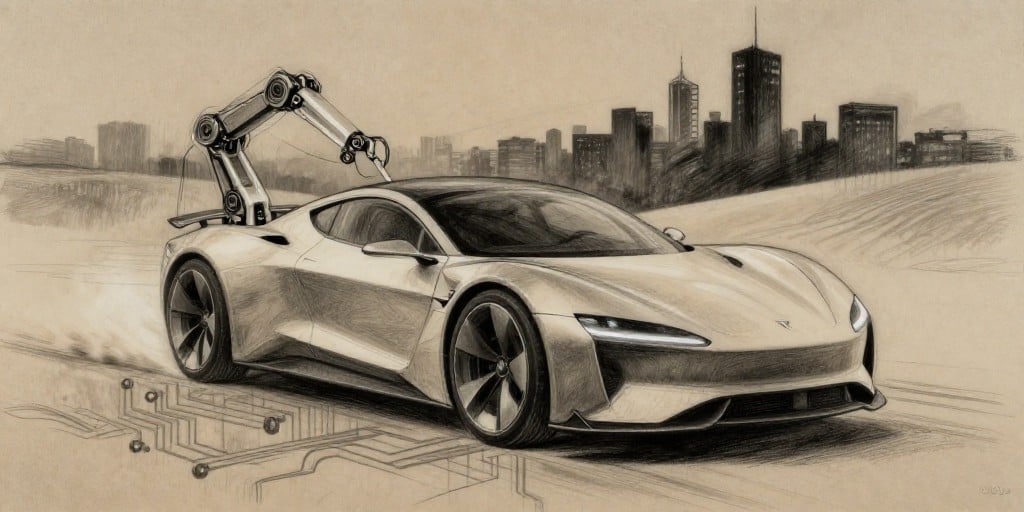
Tesla’s expansion into robotics has gained renewed attention following a recent filing that confirms the Optimus humanoid robot is prepared for large‑scale production. During the latest annual shareholders’ meeting, the company unveiled a revised production plan, though it withheld specific output targets and pricing.
The announcement aligns with broader industry movements toward integrating artificial intelligence with physical‑world robotics. Companies such as Boston Dynamics and Rethink Robotics have accelerated their deployment of autonomous systems in manufacturing and logistics. By leveraging its expertise in battery technology and AI, Tesla positions Optimus as a potential disruptor across sectors ranging from consumer electronics to industrial automation.
Market participants are monitoring the announcement closely, noting that a successful production rollout could create a new revenue stream that complements the company’s automotive core business. Moreover, the synergy between Tesla’s existing AI chip development (e.g., the Dojo system) and the robot’s sensory and control requirements could drive cost efficiencies and performance gains.
Deepening Collaboration with SpaceX
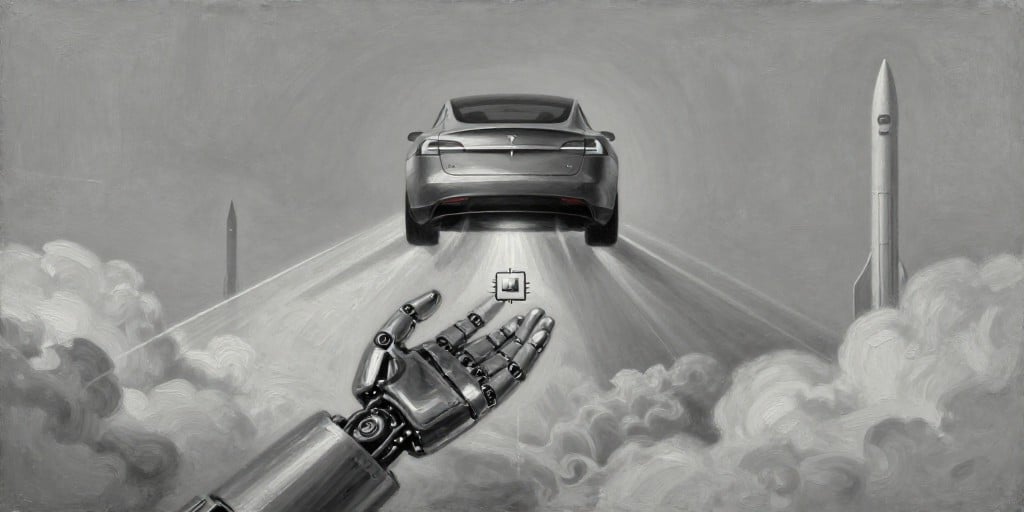
Tesla’s partnership with SpaceX continues to evolve, building on a legacy of joint investments in battery technology and shared infrastructure. A recent focus has been the Terafab AI chip manufacturing facility, a collaborative venture designed to produce high‑density processors for both aerospace and automotive applications.
The potential synergies are manifold: shared manufacturing expertise can reduce capital intensity, while cross‑pollination of AI research could accelerate development cycles for both firms’ autonomous systems. SpaceX’s experience with mass production of rocket components and its focus on vertical integration may offer valuable lessons for Tesla’s gigafactory operations, potentially enhancing both companies’ competitive positions in their respective markets.
Macro‑Economic Context and AI‑Driven Investment Activity
As Tesla’s earnings approach, analysts will also consider broader trends in AI‑driven investment activity. The semiconductor and technology sectors have experienced significant capital allocation toward AI hardware, with firms such as NVIDIA, AMD, and TSMC expanding capacity to meet demand for high‑performance compute. Tesla’s performance in this environment will serve as a barometer for the resilience of its automotive segment and the viability of its high‑profile robotics and AI initiatives.
Furthermore, macroeconomic factors—such as interest rate fluctuations, supply‑chain disruptions, and regulatory changes—continue to shape the operating landscape for technology and automotive companies alike. Tesla’s ability to navigate these dynamics, maintain margin discipline, and deliver on its ambitious product roadmap will be crucial for sustaining investor confidence.
Outlook
The upcoming earnings release is expected to provide a comprehensive view of Tesla’s operational health, shedding light on:
- Margin Recovery: Whether the company has successfully mitigated cost pressures associated with battery production and autonomous software development.
- Robotics Trajectory: Early signals of Optimus adoption, production milestones, and potential market penetration.
- Strategic Synergies: Tangible outcomes from the SpaceX partnership, especially in AI chip manufacturing and battery technology.
- Industry Positioning: How Tesla’s performance compares with peer companies in the automotive, robotics, and AI hardware sectors.
For stakeholders across the technology ecosystem, Tesla’s third‑quarter results will offer critical insights into the company’s capacity to sustain growth amid evolving competitive and economic landscapes.