
Tesla Inc. Reports Strong First‑Quarter Momentum Amid Expanded Autonomous Initiatives
Tesla Inc. delivered a robust rebound in its first‑quarter financial results, with both revenue and profit surpassing the corresponding figures from the same period last year. The company attributed the improvement primarily to a marked uptick in vehicle deliveries across its key North American and European markets. While the growth in sales was described by analysts as moderate when compared to the high acceleration observed in the first half of the year, earnings exceeded consensus estimates, underscoring the company’s ability to translate sales momentum into profitability.
Vehicle Delivery Performance
The electric‑vehicle maker highlighted a sustained rise in deliveries in both North America and Europe, positioning these regions as pivotal growth drivers. Tesla’s strategic focus on expanding production capacity—particularly at its new gigafactory in Austin and the Shanghai plant—has been instrumental in meeting the heightened demand. The company’s emphasis on maintaining cost discipline while scaling output is expected to bolster gross margins, thereby reinforcing the financial base for future capital allocation.
Advancements in Full Self‑Driving (Supervised)
In addition to its core automotive business, Tesla underscored progress on its advanced driver‑assist technology. The firm announced that its “Full Self‑Driving (Supervised)” system is slated for full regulatory approval in Europe in the coming months, following an initial clearance obtained in the Netherlands. In the United States, the system remains in a supervised mode, with Tesla pledging a phased rollout that prioritizes safety and incremental feature exposure. Current subscription figures for the software have risen, reflecting growing customer interest and the perceived value of the autonomous capabilities.
Autonomous Robotaxis and Humanoid Robotics
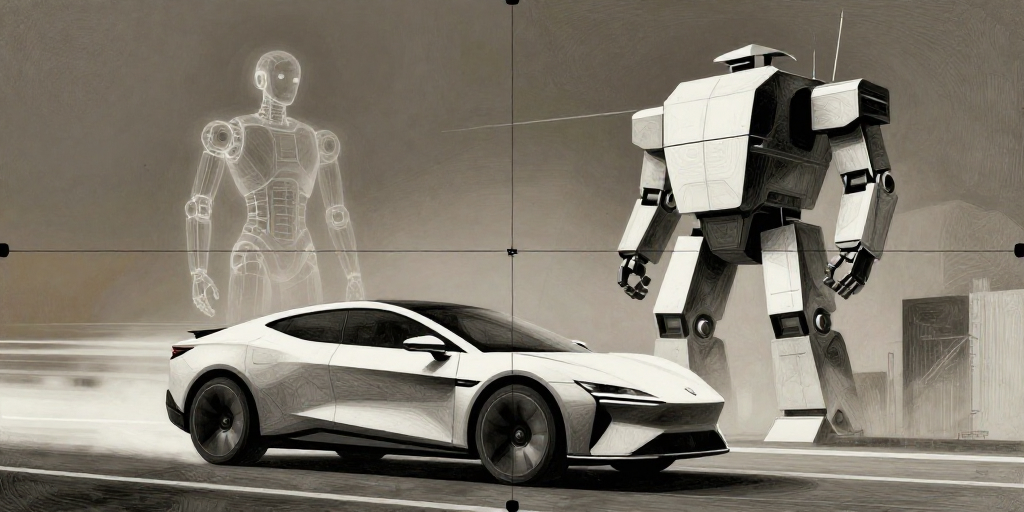
Tesla reiterated its long‑term commitment to autonomous robotaxis and humanoid robots. Production of its Cybercab robotaxi—an autonomous vehicle designed for ride‑share operations—is slated to commence this year. The company’s capital expenditure outlook has been revised upward to accommodate the expanded scope of its autonomous and robotics initiatives. While these strategic shifts represent a significant capital commitment, they align with Tesla’s broader vision of creating a sustainable transportation ecosystem that extends beyond conventional passenger vehicles.
Capital Allocation and Financial Outlook
Despite the strategic diversification into robotics and advanced driver assistance, Tesla’s core vehicle sales continue to recover, providing the financial foundation for its future investments. The company’s revised capital expenditure plan reflects a calculated balance between sustaining its automotive production momentum and funding research and development in autonomous technologies. This approach is consistent with industry trends where firms leverage core revenue streams to finance long‑term, high‑risk innovations.
Conclusion
Tesla’s first‑quarter performance demonstrates its capacity to navigate the cyclical nature of automotive demand while simultaneously advancing high‑impact autonomous technologies. By strengthening vehicle delivery pipelines in key markets, securing regulatory approvals for advanced driver‑assist systems, and investing in robotaxis and humanoid robotics, Tesla positions itself at the intersection of automotive manufacturing, autonomous mobility, and robotics innovation—sectors that increasingly converge within the broader transportation and technology landscapes.