Tesla Inc. Announces Limited Release of the Cybercab
Tesla Inc. has disclosed plans to offer its Cybercab—a two‑seat, driver‑less vehicle originally conceived as part of the company’s robotaxi service in Austin—for purchase by a select group of customers. The vehicle will be priced at approximately US $29,990, with an additional monthly subscription fee of US $299 required to activate autonomous operation. The Cybercab will be available only in territories where Tesla’s existing robotaxi network is operational, presently limited to Austin, a few surrounding locales in Texas, and select locations in Florida.
Product Positioning and Market Scope
The Cybercab removes traditional driving controls, featuring no steering wheel or foot pedals. Tesla has clarified that the vehicle is intended exclusively for private use and has not sought an exemption from regulatory bodies to operate without conventional controls. The limited geographic footprint and restricted customer base indicate a cautious rollout strategy, allowing the company to monitor performance, regulatory feedback, and consumer acceptance in a controlled environment before broader expansion.
Regulatory Environment
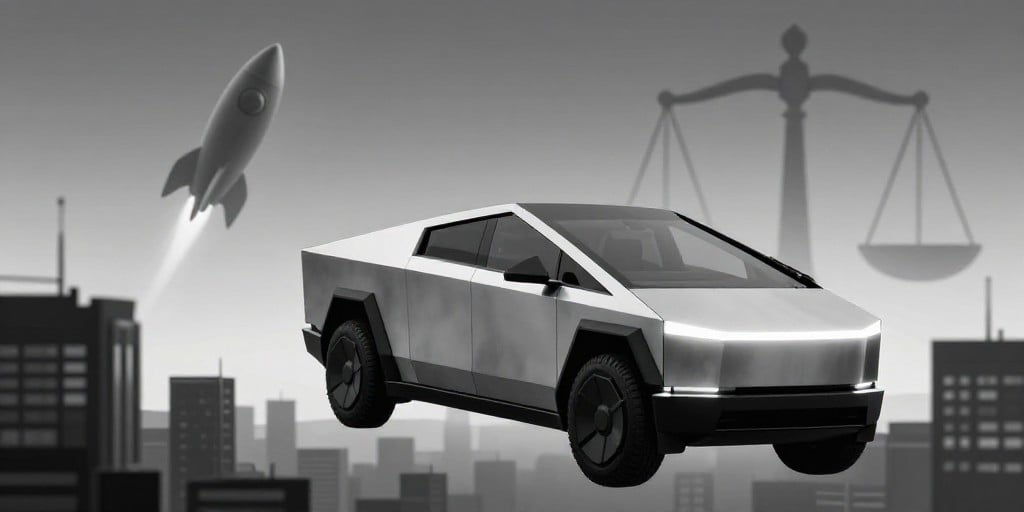
The National Highway Traffic Safety Administration (NHTSA) continues to scrutinize Tesla’s self‑certification procedures for autonomous vehicles. The Cybercab’s release is the latest instance of Tesla pushing the boundaries of self‑certified autonomous technology. Compliance with safety standards and regulatory approval remains a critical factor that could influence the pace and scale of future deployments.
Strategic Context
Tesla’s move reflects a broader effort to broaden its autonomous vehicle portfolio. By offering the Cybercab to private users, the company aims to bridge the gap between fleet‑based robotaxi services and consumer‑direct ownership. This dual‑channel approach may facilitate data collection on real‑world usage, inform iterative safety improvements, and accelerate regulatory acceptance.
The strategy aligns with industry trends where automotive manufacturers pursue multiple revenue streams—fleet services, direct sales, and subscription models—while navigating evolving safety regulations. The subscription model, priced at US $299 per month, mirrors Tesla’s existing “Full Self‑Driving” software service, potentially providing a steady revenue stream that offsets capital costs associated with autonomous technology development.
Economic Implications
The Cybercab’s price point places it in the lower tier of Tesla’s vehicle lineup, potentially appealing to consumers interested in autonomous technology without the premium associated with larger models. This could stimulate demand for entry‑level autonomous vehicles, fostering competition among automakers. However, the restricted availability may limit immediate market impact, and the success of the Cybercab will hinge on consumer willingness to pay a premium for driverless convenience amid regulatory uncertainty.
In summary, Tesla’s limited Cybercab release represents a strategic test of the company’s autonomous technology in a private‑use context, balancing commercial ambition with regulatory caution. The outcome of this pilot could shape the trajectory of Tesla’s broader autonomous strategy and influence competitive dynamics across the automotive and mobility sectors.