Tesla Unveils First Large‑Scale Semi Truck Production Facility in Sparks, Nevada
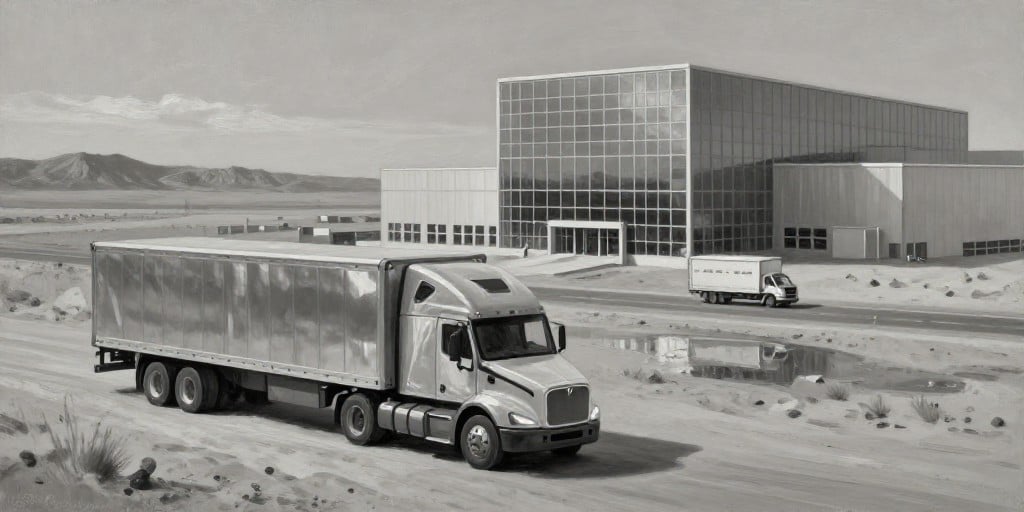
Tesla Inc. has inaugurated its first high‑volume production plant for the Semi electric truck in Sparks, Nevada. The facility, opened on 24 September, has already begun delivering vehicles to a select group of customers, including PepsiCo, DHL and US Foods. This development marks a significant transition from the limited test‑run deliveries that began in 2022 to a more regular production schedule aimed at reaching an annual output of up to 50 000 units.
Production Capabilities and Technical Specifications
The new plant is engineered to support a production rate that matches the anticipated demand from large industrial fleets. Two variants of the Semi are currently in production:
- Long‑Range Model – Capable of approximately 500 miles on a single charge when fully loaded.
- Standard Model – Offers a shorter range, optimized for medium‑haul operations.
Tesla has not yet disclosed detailed pricing structures for the vehicles. However, the shift toward high‑volume production implies a strategic focus on economies of scale and cost reductions that could make the Semi more competitive against traditional diesel heavy‑duty trucks.
Early Adopters and Market Implications
PepsiCo, one of the first recipients, has emphasized the Semi’s suitability for long‑haul freight in an era of rising diesel prices and increasing regulatory pressure to lower emissions. The company’s adoption underscores a broader trend among major industrial players seeking electrified logistics solutions that can deliver the same scale and reliability as conventional diesel fleets.
Other early customers—DHL and US Foods—signal that the Semi is gaining traction across diverse sectors such as logistics, food distribution, and retail supply chains. This cross‑industry interest highlights the Semi’s versatility and the potential for rapid diffusion of electric heavy‑duty trucks across the United States.
Strategic Significance for Tesla’s Commercial Vehicle Strategy
The initiation of regular deliveries is a milestone for Tesla’s commercial vehicle agenda. It demonstrates the company’s ability to translate prototype success into a scalable production model—a critical step for achieving profitability in the commercial segment. The move also positions Tesla to:
- Influence the Heavy‑Duty Truck Market – By offering a competitive alternative to diesel trucks, Tesla can stimulate demand for electrified freight solutions.
- Accelerate Sustainability Adoption – The Semi’s entry into the market may prompt fleet operators to reconsider their environmental impact, especially as regulatory frameworks tighten.
- Expand Geographically – While the current focus is on the United States, Tesla plans to extend the Semi’s availability to European markets, potentially accelerating the adoption of sustainable freight solutions across the Atlantic.
Broader Economic and Industry Context
The Semi’s launch aligns with several macroeconomic and sector‑specific dynamics:
- Rising Energy Costs – Elevated diesel prices have made alternative propulsion systems financially attractive for large fleets.
- Regulatory Momentum – Governments worldwide are tightening emissions standards, driving demand for zero‑emission vehicles.
- Technological Maturation – Advances in battery chemistry, charging infrastructure, and vehicle‑level software are reducing the total cost of ownership for electric trucks.
By establishing a high‑volume production capability, Tesla taps into these drivers, reinforcing its position as a key player in the transition toward electrified heavy‑duty transport.
Conclusion
Tesla’s Sparks plant marks a pivotal step in the company’s effort to commercialize its Semi electric truck at scale. Early deliveries to high‑profile clients underscore the market’s readiness for sustainable freight solutions, while the plant’s production capacity positions Tesla to influence the heavy‑duty truck landscape both domestically and abroad. The strategic implications—spanning operational efficiency, market disruption, and environmental impact—suggest that Tesla’s expansion into large‑scale electric truck production could reshape logistics and supply‑chain operations across multiple industries.