
Tesla’s Electric Semi‑Truck Enters the U.S. Market
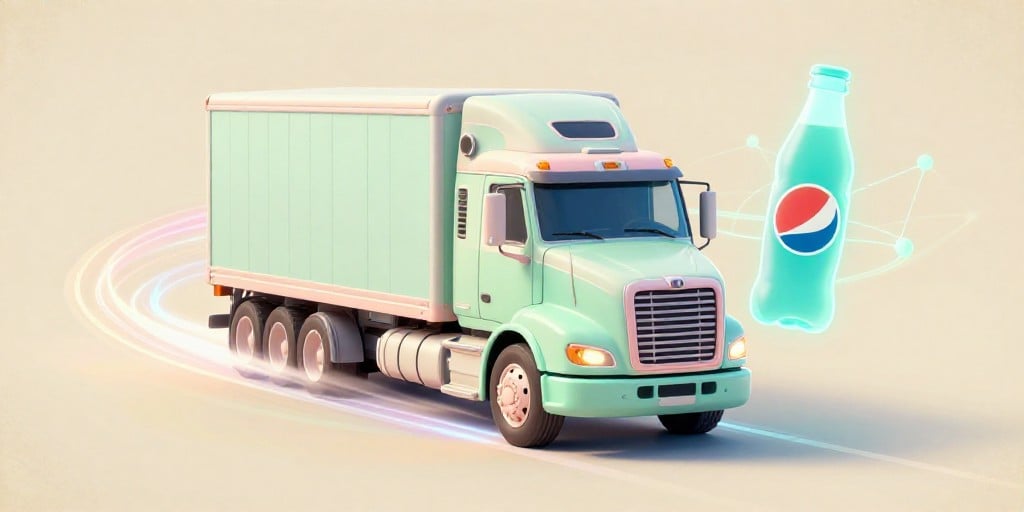
Tesla has officially launched its electric semi‑truck, the Semi, into the United States, with the first deliveries made to PepsiCo’s beverage distribution network. The vehicle’s debut at the Hannover IAA Nutzfahrzeuge in September positioned it squarely against established European heavy‑duty truck manufacturers, marking a pivotal moment for both the electric vehicle (EV) and logistics sectors.
Product Capabilities and Market Positioning
Tesla claims the Semi can travel up to 800 kilometres (approximately 500 miles) on a single battery charge. This range, combined with the vehicle’s 400 kW electric drivetrain, places it among the most capable long‑haul trucks in the world. By offering a high‑capacity option with a competitive range, Tesla aims to capture a share of the growing market for electrified freight transport—particularly for companies that operate large, long‑haul routes.
Production Resumptions and Supply‑Chain Adjustments
Prior to the launch, the company’s production schedule had been hampered by a prioritisation of battery supply for its passenger‑car line. Recent reports indicate that this bottleneck has been largely resolved. Tesla’s Gigafactory 1 and the new Gigafactory 3 in Texas now have the capacity to produce the batteries needed for the Semi in larger volumes. The company’s decision to scale production reflects a strategic shift towards diversifying its commercial fleet portfolio and leveraging its battery technology across multiple vehicle categories.
Strategic Implications for the Logistics Industry
The partnership with PepsiCo is a clear signal of growing acceptance of electric heavy‑duty vehicles among major logistics operators. PepsiCo’s extensive beverage distribution network relies on long‑haul trucks to deliver products to retailers and consumers across North America. By integrating the Semi into its fleet, PepsiCo can reduce fuel costs, lower its carbon footprint, and meet evolving regulatory pressures on emissions.
Competitive Landscape and Broader Economic Trends
Tesla’s entrance into the heavy‑duty truck market introduces a new dynamic in a sector dominated by European manufacturers such as Volvo, Daimler, and MAN. These companies have been steadily expanding their own electric truck offerings, and Tesla’s advanced battery technology may offer a competitive advantage in terms of range and cost per mile.
From a macroeconomic perspective, the shift toward electrification is driven by tightening emissions regulations, rising fuel prices, and increased corporate focus on sustainability. The Semi’s ability to deliver long distances on a single charge aligns with these broader economic trends, positioning Tesla as a potential catalyst for accelerated electrification of the freight sector.
Conclusion
Tesla’s successful launch of the Semi into the U.S. market underscores the company’s broader strategy to diversify beyond passenger vehicles while capitalising on its battery technology. The partnership with PepsiCo highlights a growing willingness among logistics operators to adopt electric heavy‑duty solutions. As production scales and competitors respond, the next few years will be critical in determining whether Tesla can secure a significant foothold in the long‑haul trucking industry and accelerate the global transition to cleaner freight transportation.