
Corporate Update on Tesla Inc. and Associated Enterprises
Regulatory Developments in the United States
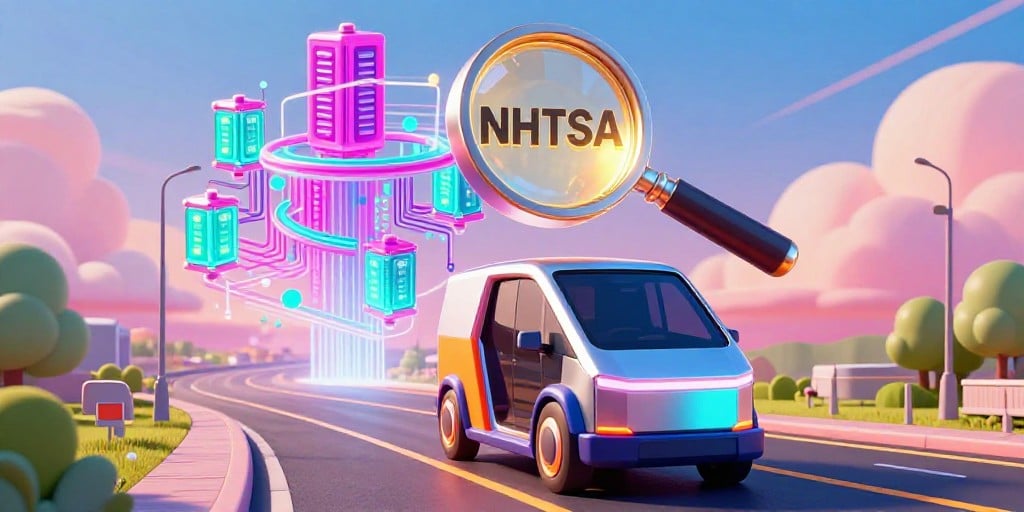
Tesla’s newly launched Cybercab robotaxi—a vehicle that operates without a conventional steering wheel or pedals—has attracted the attention of federal regulators. Following its deployment in Austin, Texas, the National Highway Traffic Safety Administration (NHTSA) initiated an investigation to ascertain compliance with existing safety regulations. While the initial market reaction saw an uptick in Tesla’s share price, subsequent trading activity reflected a more cautious stance as analysts weighed the regulatory implications and the broader context of Tesla’s product roadmap. The investigation underscores the increasing scrutiny that autonomous and robotized transportation solutions face from oversight bodies.
Automotive Sales Performance
Tesla’s automotive sales trajectory remains uneven across key markets.
- United States: New electric vehicle (NEV) sales have been pressured by recent adjustments to federal clean‑vehicle incentives, which have diminished the relative attractiveness of Tesla’s pricing strategy.
- South Korea: Domestic sales have declined in major Korean markets, a trend that appears to be linked to Tesla filling gaps left by production disruptions at local automakers.
These dynamics suggest a muted sales outlook for the current quarter, even as Tesla continues to advance its autonomous and robotic initiatives. Analysts note that the company’s sales performance is increasingly sensitive to both policy changes and supply‑chain stability.
SpaceX Lock‑up Expiry and Capital Allocation
Tesla’s parent company, SpaceX, is preparing for a new lock‑up expiry that will release a substantial volume of shares into the market. Historically, SpaceX has absorbed prior supply shocks without a pronounced decline in its share price, indicating a resilience that investors closely monitor.
However, SpaceX’s recent expansion into artificial‑intelligence (AI) infrastructure has led to a marked increase in capital expenditures. This strategic pivot raises questions regarding the timing and scale of potential returns, particularly in light of the broader capital allocation pressures faced by high‑growth technology firms.
Battery Supply‑Chain Partnerships
Tesla’s engagement in the automotive battery supply chain was highlighted by a partnership with a Canadian graphite developer. The collaboration aims to evaluate a mine‑to‑anode platform capable of transforming raw graphite into finished battery anode material. Although the partnership remains in early stages, it signals Tesla’s ongoing commitment to securing critical supply‑chain assets for both its vehicle and energy storage businesses.
Strategic Implications
Collectively, these developments illustrate a company navigating a complex landscape of regulatory scrutiny, shifting sales dynamics, and ambitious expansion into new technologies. Investors are keenly observing how these factors will influence Tesla’s financial performance and long‑term strategic positioning. The convergence of autonomous vehicle regulation, supply‑chain consolidation, and AI‑driven innovation positions Tesla at a pivotal juncture where operational resilience and strategic foresight will be critical to sustaining its market leadership.