Investigation of Tesla Inc.’s Recent Security and Leadership Turmoil
German Security Concerns Over Connected Vehicles
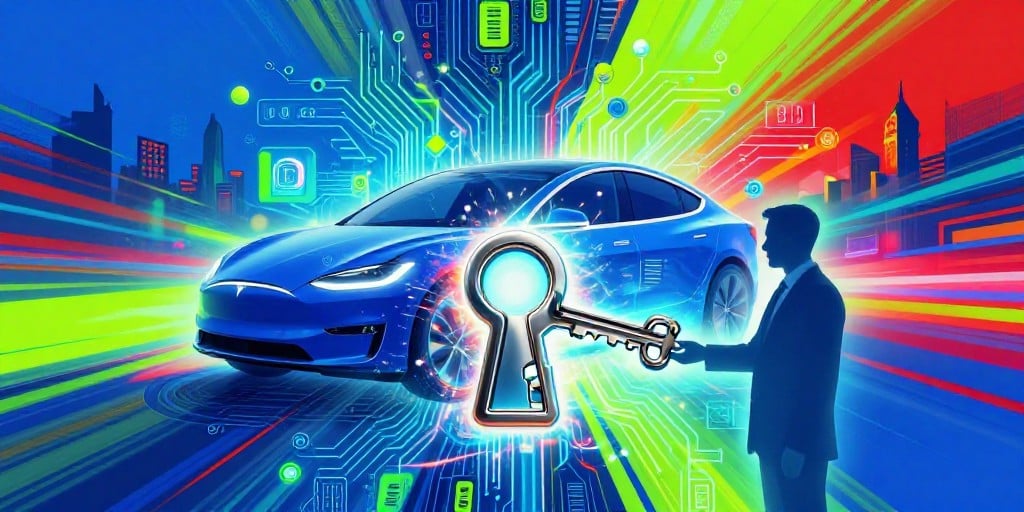
German state security officials have recently flagged potential espionage risks associated with Tesla’s connected‑car ecosystem. Stephan Kramer, director of the Thuringian State Security Service, issued a statement urging that Tesla’s security assessment be treated on par with any other automotive manufacturer. He emphasized the necessity of scrutinising data collection, transmission, and access protocols, particularly in proximity to military facilities.
The Bundeswehr has already imposed restrictions on the use of connected cars near strategic sites, and Kramer called for a similar approach for other sensitive premises. Although no concrete evidence of illicit data harvesting has emerged, the debate foregrounds the growing vulnerability of modern vehicles to cyber‑espionage.
Regulatory Landscape The European Union’s Digital Services Act (DSA) and the General Data Protection Regulation (GDPR) impose stringent data‑handling obligations on automotive vendors. In Germany, the Federal Office for Information Security (BSI) has issued guidelines for automotive suppliers, stressing secure over‑the‑air (OTA) updates and encrypted communication channels. Tesla’s current OTA framework, while robust in many respects, has faced criticism for legacy firmware that could be susceptible to exploitation.
Competitive Dynamics Tesla’s edge in data‑driven vehicle performance—particularly its Autopilot and Full Self‑Driving (FSD) pipelines—relies heavily on continuous telemetry streams. Rivals such as Volkswagen and General Motors, which have adopted more modular data architectures, may reduce their exposure to single‑point data breaches. Consequently, Tesla could face a shift in consumer confidence if the perception of data insecurity persists.
Potential Risks and Opportunities Risks:
- Regulatory Penalties: Non‑compliance with emerging EU cyber‑security directives could trigger fines up to 4 % of annual global revenue.
- Reputational Damage: Media coverage of security concerns may erode brand trust, especially among safety‑conscious European buyers.
Opportunities:
- Security‑First Positioning: Investing in a zero‑trust architecture could differentiate Tesla in a market where consumers increasingly prioritize data privacy.
- Government Partnerships: Collaborating with defense agencies on secure vehicle protocols could open new procurement channels and enhance credibility.
Internal Turbulence: The Resignation of Co‑Founder Jensen Huang
On 12 November, Tesla disclosed the immediate resignation of co‑founder and former CEO Jensen Huang from all executive and board positions. Huang’s departure follows a series of personal scandals that have spurred employee calls for an independent review. While the company has not disclosed the nature of the allegations, the rapid leadership vacuum has prompted market apprehensions.
Interim Leadership and Board Response
Chief Financial Officer Colette Kress assumed the role of interim CEO, with the board initiating a search for a permanent replacement. Analysts suggest that Kress’s experience with Tesla’s financial controls and supply‑chain negotiations may provide a stabilising presence during the transition. However, the uncertainty around strategic direction could dampen investor confidence.
Market Reaction and Financial Implications
Tesla’s share price opened sharply lower on the day of the announcement, reflecting heightened uncertainty. By mid‑session, the stock recovered modestly as markets digested the information. Technology indices, including the Nasdaq‑100 and S&P 500 Technology, recorded only incremental movements, indicating that broader investor sentiment remains resilient.
Key financial metrics to watch in the forthcoming quarterly report include:
- Gross Margins: Any erosion in margins could signal supply‑chain disruptions or increased cost of raw materials.
- Cash Flow from Operations: A decline may point to reduced sales volumes or higher working‑capital requirements.
- Capital Expenditures (CapEx): Continued investment in Gigafactories and autonomous‑driving research will test the company’s financial flexibility.
Strategic Context: Connectivity, Regulation, and Leadership Dynamics
Tesla’s dual challenges—security concerns in Germany and leadership turnover—illustrate the evolving ecosystem in which electric‑vehicle (EV) firms operate. The convergence of automotive and information technology sectors has amplified regulatory scrutiny over data privacy and cyber‑security. Concurrently, leadership stability remains a cornerstone of investor confidence, particularly in high‑growth, capital‑intensive industries.
Industry‑Wide Trends
- Data‑Centric Business Models: Companies are monetising vehicle telemetry through subscriptions and over‑the‑air services.
- Regulatory Momentum: The EU and U.S. are advancing legislation that mandates secure data practices in automotive products.
- Supply‑Chain Resilience: Geopolitical tensions are pressuring firms to diversify suppliers and localise production, potentially raising costs.
Tesla’s Position and Prospective Outlook
Tesla’s entrenched brand, scale of production, and leadership in battery technology provide a strong foundation to weather immediate disruptions. If the company can:
- Strengthen its cyber‑security posture in line with EU directives, and
- Establish clear, transparent governance following Huang’s exit,
it may preserve investor confidence and maintain its competitive advantage. Investors should closely monitor the November 17 quarterly results for indicators of operational stability and strategic continuity.