
Tesla Inc. Expands into Robotics and Reaffirms International Engagement
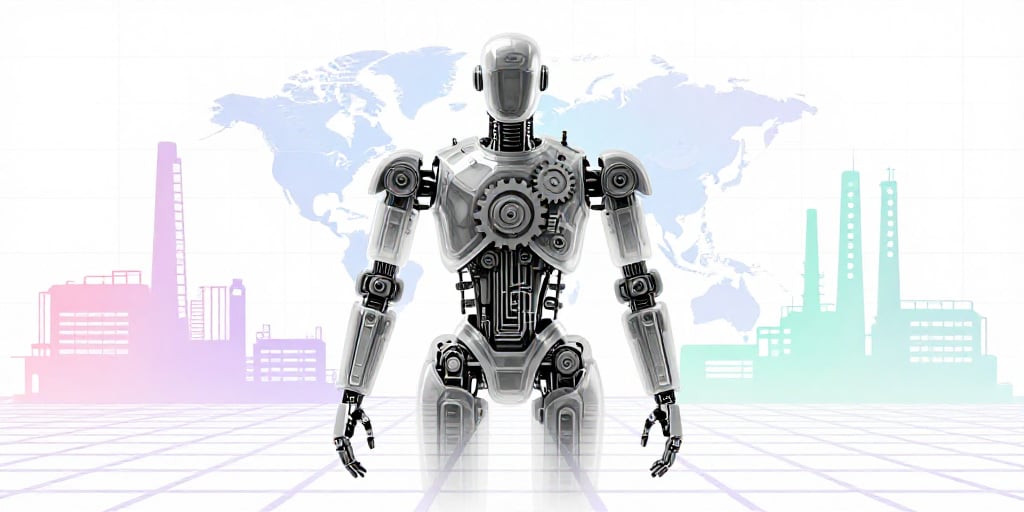
Tesla Inc. announced a significant diversification of its manufacturing portfolio with the launch of a large‑scale humanoid robot production facility in Fremont, California. The new plant will repurpose an existing Model S/X production line, targeting an initial annual output of one million units. A subsequent facility in Texas is planned to achieve a long‑term capacity of ten million units per year. The company’s Optimus V3 robot, slated for production later in 2026, is expected to stimulate demand for components and facilitate a broader restructuring of the robotics supply chain, benefiting suppliers with advanced manufacturing capabilities.
Strategic Rationale and Market Dynamics
The robotics initiative aligns with Tesla’s broader vision of integrating artificial intelligence, battery technology, and automation across its product lines. By leveraging its existing automotive assembly infrastructure, Tesla can achieve economies of scale, reduce capital expenditures, and accelerate time‑to‑market for its humanoid platform. This approach also positions the company favorably within the rapidly growing robotics sector, which is projected to reach a compound annual growth rate (CAGR) of 15‑20 % over the next decade, driven by automation demand in manufacturing, logistics, and consumer markets.
Key industry players—such as Boston Dynamics, ABB, and Fanuc—have long dominated the robotics market, but Tesla’s entry threatens to shift competitive dynamics due to its superior battery technology, integrated AI software stack, and established supply chain. The company’s ability to rapidly prototype and iterate will likely accelerate product development cycles, creating a potential first‑mover advantage in consumer and commercial robotics.
Supply Chain Implications
Tesla’s large‑scale production plans will necessitate a substantial increase in the supply of robotic actuators, sensors, power electronics, and integrated control systems. Suppliers possessing advanced manufacturing capabilities—particularly those specializing in high‑precision machining and surface‑mount technology—stand to benefit from new contracts. Moreover, Tesla’s vertical integration strategy, which includes in‑house battery production and proprietary software development, may reduce reliance on third‑party components, thereby reshaping traditional supply chain relationships across the robotics ecosystem.
The company’s move also underscores a broader trend toward cross‑industry convergence, where automotive‑grade components are repurposed for robotics applications. This trend may encourage component manufacturers to develop dual‑purpose products, thereby creating new market segments that transcend traditional industry boundaries.
International Diplomacy and Market Presence
In a parallel development, Tesla’s CEO, Elon Musk, participated in a high‑level U.S.–China meeting in Beijing alongside other prominent American business leaders. The meeting, which also involved the United States president, addressed trade, technology, and security issues, highlighting the continued importance of U.S.–China market dynamics. Tesla’s involvement underscored its commitment to maintaining a robust international presence, particularly in China, the world’s largest automotive market.
Tesla’s engagement in diplomatic discussions signals the company’s recognition that geopolitical factors increasingly influence supply chain resilience, technology transfer, and regulatory environments. By aligning its strategic objectives with international policy frameworks, Tesla aims to mitigate risks associated with trade tensions and to secure favorable conditions for future expansion.
Equity Performance and Sector Alignment
Tesla’s equity performance has remained broadly in line with technology sector trends, without significant deviation from prevailing market movements. While the company’s shares have been influenced by sector‑wide factors such as interest rates, inflation expectations, and macroeconomic uncertainty, the firm’s diversified operations—encompassing automotive, energy storage, and robotics—provide a degree of resilience against sector‑specific volatilities.
Investors are observing the company’s robotics rollout as a potential catalyst for future revenue diversification. However, valuation metrics continue to reflect expectations of high growth, and market sentiment is closely tied to broader technology market sentiment rather than Tesla’s specific operational milestones.
Conclusion
Tesla’s strategic expansion into robotics represents a deliberate attempt to diversify beyond its core automotive business and to leverage its technological strengths across emerging sectors. The company’s large‑scale production plans, coupled with its active participation in international diplomatic forums, signal a broader ambition to shape industry trends and to navigate the complex geopolitical landscape. As the robotics market matures and cross‑industry synergies deepen, Tesla’s role as a key player—alongside traditional automotive and technology firms—will likely evolve, influencing competitive positioning, supply chain dynamics, and macroeconomic factors that transcend individual industry boundaries.