Corporate News
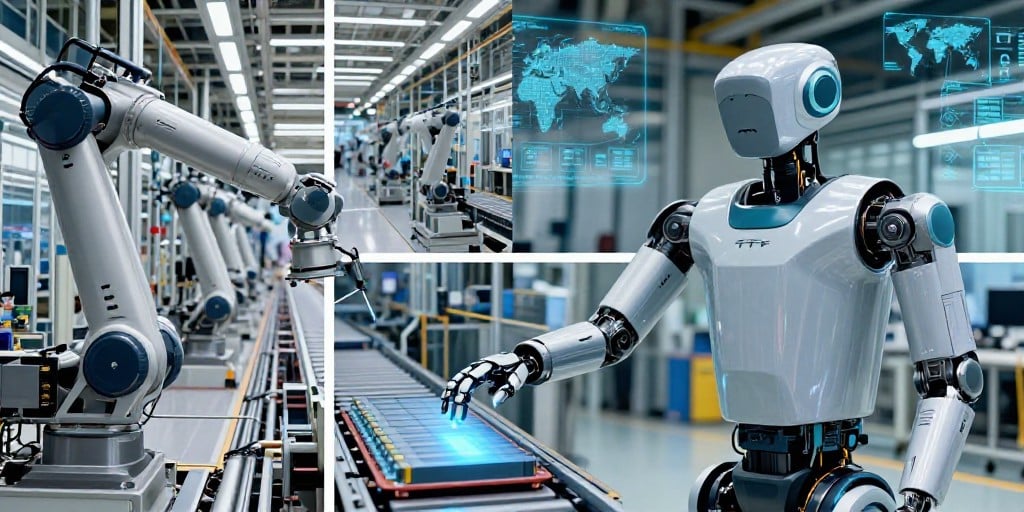
Tesla Inc. has announced a series of initiatives aimed at expanding its robotics presence. In mid‑September, the company dispatched a specialised audit team to Ningbo, China, to assess production readiness for its humanoid robot, the Optimus. The audit, conducted across key supplier locations in Ningbo, Shanghai and Xiamen, is intended to accelerate the transition from prototype to mass production. Tesla has indicated plans to deliver roughly 50,000 Optimus units in 2026, with the units slated for deployment in its global Gigafactory network.
The company’s focus on robotics aligns with broader industry trends. Chinese robotics manufacturers are ramping up production, with several firms targeting annual outputs of ten thousand units or more. Analysts suggest that Tesla’s move could trigger a shift toward more uniform supply‑chain standards and reduced costs for component manufacturers, potentially benefiting domestic suppliers.
In parallel, Tesla’s electric‑vehicle operations continue to perform solidly on market exchanges. Shares of the company have shown a modest upward trajectory in the days following its robotics announcement, reflecting investor confidence in both its automotive and robotics ventures. The company’s ongoing development of self‑driving technology and battery production remains a key pillar of its strategic growth, though recent delays in the rollout of its in‑house driver‑assist system have pushed delivery targets to later dates.
Overall, Tesla’s recent activities indicate a dual‑track strategy: reinforcing its automotive leadership while actively pursuing a significant footprint in the emerging humanoid‑robotics sector. The company’s efforts to secure manufacturing partnerships in China and its continued investment in advanced technologies suggest a continued focus on expanding its product portfolio and global production capacity.