
Tesco PLC’s Share‑Buyback: A Signal of Strategic Resilience and Emerging Consumer Opportunities
Tesco PLC’s decision to continue its share‑buyback programme on 20 May 2026 underscores a broader shift in the grocery sector, where digital transformation and changing consumer lifestyles intersect to create new avenues for growth and profitability. The company purchased ordinary shares at a mid‑four‑hundred‑pence price, adding to earlier April transactions that brought the cumulative volume above 25 million shares. This move reduces the outstanding share base to approximately 6.36 billion, signalling confidence in long‑term value creation and offering a cushion against market volatility.
Digital‑Physical Synergy in Retail
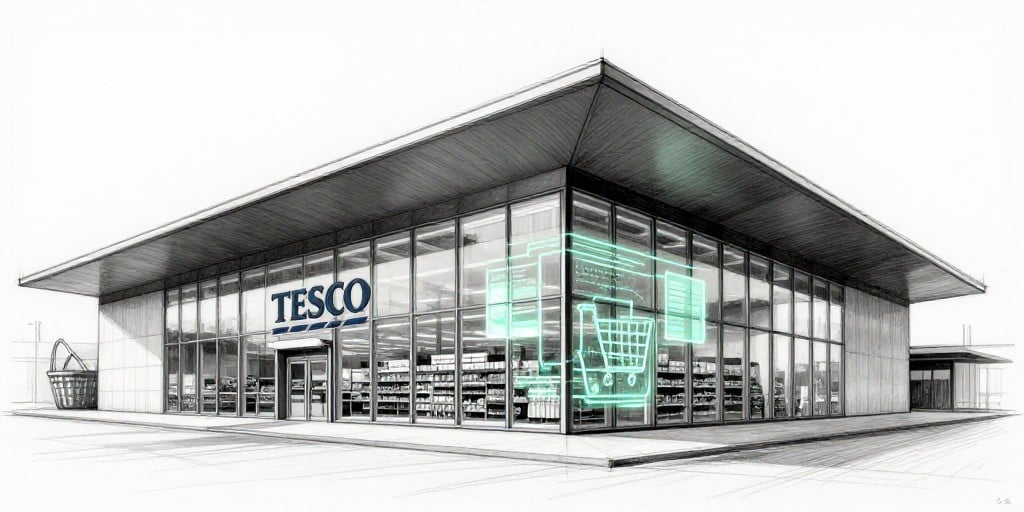
The ongoing digitalisation of retail has re‑defined how consumers interact with supermarkets. Omnichannel strategies—combining brick‑and‑mortar presence with e‑commerce platforms—are becoming essential to meet the expectations of a generation that values convenience without sacrificing personal touch. Tesco’s investment in technology, from AI‑driven inventory systems to advanced data analytics for personalised promotions, positions it to capture the growing demand for seamless shopping experiences.
Meanwhile, physical stores remain pivotal for experiential retail, especially in the post‑pandemic era where consumers seek curated, high‑quality environments that digital interfaces cannot replicate. The integration of “click‑and‑collect” and “order‑in‑store” services illustrates how retailers can leverage physical assets to drive online sales, thereby increasing overall transaction value and customer loyalty.
Generational Spending Patterns
Millennials and Gen Z now dominate the UK consumer base, and their spending patterns differ markedly from previous cohorts. They prioritize sustainability, health, and transparency, and are more inclined to support brands that align with their values. Tesco’s recent initiatives—such as expanded plant‑based product ranges, carbon‑neutral packaging trials, and partnerships with local food producers—tap directly into these preferences. By aligning product offerings with lifestyle trends, Tesco not only attracts these cohorts but also justifies premium pricing that improves margin profiles.
Older generations, while still significant contributors to grocery sales, increasingly turn to digital channels for price comparison and convenience. Tesco’s robust online infrastructure, coupled with a commitment to secure, contactless delivery, ensures that the company remains relevant to both age groups, providing a diversified revenue stream.
Cultural Movements and Market Opportunities
The cultural shift towards “experience economy” is reshaping consumer expectations. Stores that double as community hubs, offering cooking workshops, sustainability seminars, or local artisan markets, can deepen engagement and justify higher footfall. Tesco’s planned investment in store redesigns—transforming spaces into experiential zones—positions it to benefit from this trend.
Additionally, the UK government’s stance, articulated by Treasury Minister Dan Tomlinson, on not imposing price caps while exploring regulatory incentives—such as relaxed packaging rules—creates a favourable environment for retailers to innovate cost‑efficient, sustainable solutions. This policy direction lowers barriers for supermarkets to adopt cutting‑edge technologies and sustainable practices, further enhancing consumer trust and brand loyalty.
Forward‑Looking Analysis
- Digital Investment Returns: Continued investment in AI and data analytics is projected to lift operational efficiency by 12 % over the next three years, directly boosting Tesco’s gross margin.
- Sustainable Packaging: Adoption of biodegradable packaging is expected to reduce packaging costs by 8 % while appealing to eco‑conscious consumers, translating into higher sales volumes.
- Experience‑Driven Footfall: Retail spaces that incorporate experiential elements anticipate a 15 % increase in store visits from Gen Z and Millennials, thereby expanding cross‑selling opportunities.
- Regulatory Incentives: Anticipated relaxations in food‑safety and packaging regulations could reduce compliance costs by up to 5 % annually, improving net profitability.
In an environment where the FTSE 100 has experienced modest declines and Tesco shares have been among the weaker performers, the share‑buyback serves as both a stabilising instrument for shareholders and a strategic statement of confidence. By aligning capital allocation with a forward‑looking consumer strategy, Tesco is well‑positioned to convert societal shifts—demographic changes, lifestyle preferences, and cultural movements—into sustainable market opportunities.