Tesco PLC Continues Share‑Buyback Amid Shifting Consumer Dynamics
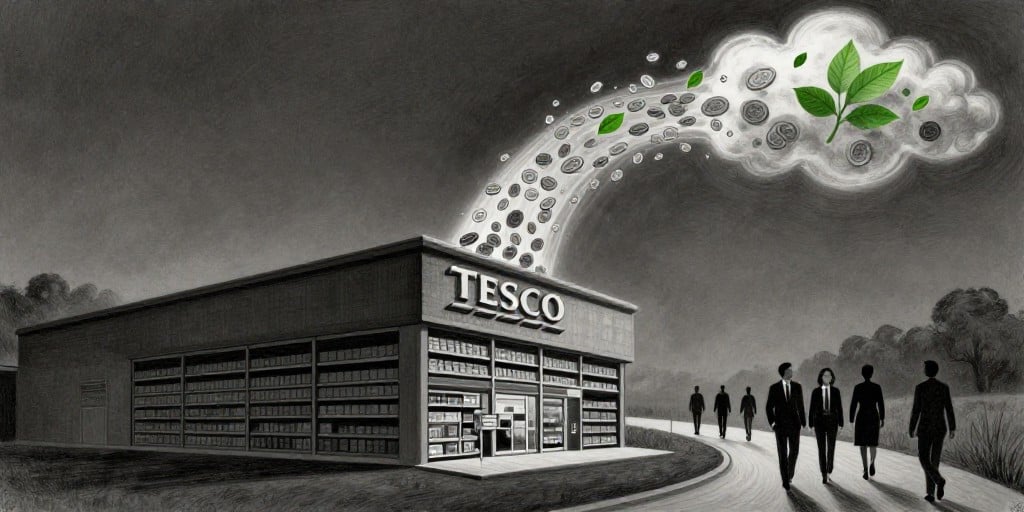
Tesco PLC’s recent transaction on 25 November 2026—purchasing a little over one million ordinary shares for a mid‑five‑hundred‑pence average price—underscores the supermarket’s sustained commitment to shareholder value. The buy‑back, executed by Morgan Stanley & Co. International Plc, is part of a larger £950 million programme that has seen the retailer acquire more than 150 million shares since April 2026. By reducing the free‑float, Tesco aims to support its share price while signalling confidence in its long‑term strategy.
Director‑Level Participation Reinforces Shareholder Focus
In a parallel corporate action, non‑executive director Bertrand Bodson increased his holdings through the dividend‑reinvestment plan, acquiring nearly 600 shares at approximately £5.56 each on 20 November. The transaction, executed via a nominee service, complies with market‑abuse regulations and reflects the board’s alignment with long‑term capital allocation goals.
Market Context and Share Performance
Over the past week, the FTSE 100 has recorded gains, lifting the index by roughly two percent from the beginning of the year. Tesco’s share price, however, has experienced a modest decline and is among the weaker performers on the index. Despite this, the company’s ongoing buy‑back activity and director‑level share purchases suggest a continued focus on preserving shareholder value.
Linking Societal Shifts to Tesco’s Strategic Moves
Digital Transformation Meets Brick‑and‑Mortar
The pandemic accelerated the convergence of online and offline retail, creating a hybrid customer experience that blends convenience with the tactile reassurance of physical stores. Tesco’s investment in digital platforms—such as its Tesco Clubcard analytics and online grocery infrastructure—has been complemented by a redesign of in‑store layouts to facilitate click‑and‑collect hubs and curb‑side pickups. By marrying data‑driven personalization with on‑site convenience, the retailer is positioned to capture the growing segment of consumers who value seamless omnichannel journeys.
Demographic Shifts and Generational Spending
Millennial and Gen Z Consumers: This cohort prioritises sustainability, local sourcing, and tech‑enabled shopping. Tesco’s expansion of Sainsbury’s‑like private‑label ranges, coupled with a growing emphasis on plant‑based and organic product lines, aligns with these preferences. The retailer’s commitment to carbon‑neutral logistics and transparent supply‑chain tracing further resonates with environmentally conscious shoppers.
Older Demographics: While the ageing population continues to demand convenience, they increasingly rely on digital tools for price comparison and health‑related products. Tesco’s Tesco Pharmacy and health‑tech initiatives tap into this need, positioning the supermarket as a one‑stop hub for wellness and everyday essentials.
Cultural Movements and Consumer Experience
The rise of experiential retail—where consumers seek immersive and personalized encounters—has reshaped expectations for physical stores. Tesco’s introduction of in‑store cafés, community spaces, and pop‑up collaborations with local artisans not only enhances footfall but also deepens brand loyalty. By integrating culturally relevant events and seasonal themes, Tesco turns routine shopping into a cultural experience that transcends mere product purchase.
Forward‑Looking Analysis: Market Opportunities for Tesco
| Opportunity | Societal Trend | Strategic Lever | Potential Impact |
|---|---|---|---|
| Omnichannel Expansion | Digital‑first behaviour | Unified inventory & real‑time fulfilment | Increased average basket size |
| Sustainability Leadership | Eco‑conscious consumers | Carbon‑neutral supply chains | Premium pricing, brand differentiation |
| Health & Wellness Hub | Wellness‑centric lifestyle | Integrated pharmacy & nutrition services | New revenue streams, loyalty boosts |
| Community Engagement | Desire for local connection | Pop‑ups & local sourcing | Strengthened local market position |
| Data‑Driven Personalisation | Demand for tailored experiences | AI‑driven recommendations | Higher conversion rates, customer lifetime value |
Investor Implications
While Tesco’s share price has lagged behind the broader market, the continued buy‑back programme and director‑level share accumulation signal management’s conviction in the company’s fundamentals. Investors should monitor:
- Capital allocation metrics: How the buy‑back influences earnings per share and dividend sustainability.
- Retail footfall data: Trends in in‑store visits versus online sales, especially in post‑pandemic recovery.
- Sustainability KPIs: Progress on carbon‑neutral targets and supply‑chain transparency, which increasingly influence institutional investors.
Conclusion
Tesco PLC’s recent share‑buyback, coupled with director‑level participation, reflects a deliberate strategy to bolster shareholder value amid a rapidly evolving consumer landscape. The intersection of digital transformation, demographic shifts, and cultural movements presents a spectrum of opportunities—from omnichannel innovation to sustainability leadership—that can translate societal changes into tangible market gains. As Tesco navigates these dynamics, its ability to adapt store experiences, embrace technological integration, and align with emerging consumer values will dictate its resilience and growth trajectory in the coming years.