Tele2 AB Completes Tower Separation Amidst Broader Industry Consolidation
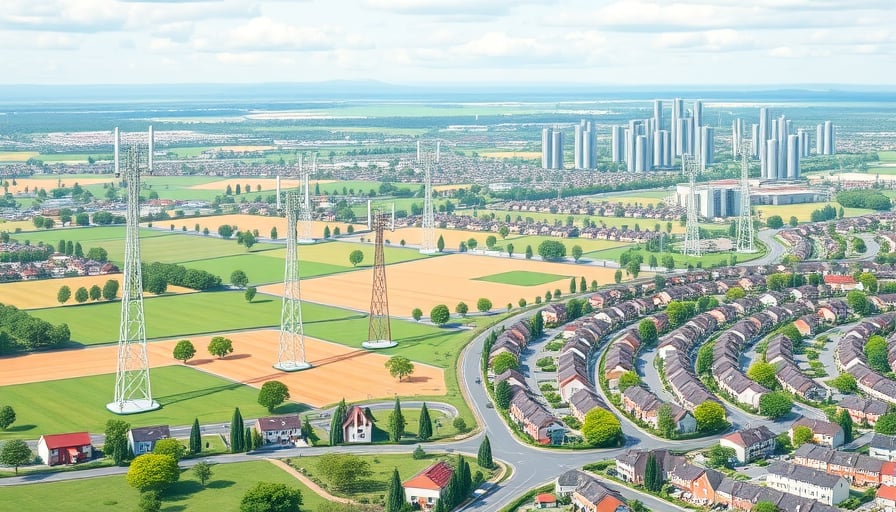
Tele2 AB, the Swedish telecommunications operator listed on the Stockholm Stock Exchange, has announced the successful completion of a strategic transaction that segregates its telecommunications infrastructure into a distinct pan‑Baltic tower company. In partnership with Global Communications Infrastructure, the newly formed entity now owns an extensive portfolio of towers and rooftop sites spanning the Baltic region. Regulatory approval was obtained in accordance with competition and sectoral guidelines, and the market has responded with a modest rise in Tele2’s share price, signaling investor confidence in the realignment.
Structural Overview of the Separation
| Element | Tele2 AB | New Tower Company |
|---|---|---|
| Ownership of towers | Transferred | 100% |
| Operational focus | Core network operations (radio, core, IP) | Asset management and leasing of tower infrastructure |
| Geographic footprint | Sweden (existing network) | Sweden + Estonia, Latvia, Lithuania |
| Key partners | Global Communications Infrastructure (GCi) | GCi (major equity stake) |
The separation is designed to streamline Tele2’s core network operations, freeing up capital and managerial bandwidth to focus on service delivery, spectrum management, and customer experience. Concurrently, the new tower entity will specialize in optimizing tower asset utilization, pursuing leasing agreements with both domestic and international telecom operators and expanding coverage through strategic site acquisitions.
Implications for Subscriber Metrics and Content Delivery
Subscriber Base Dynamics
Tele2 currently serves approximately 2.4 million customers across Sweden, with a projected growth rate of 1.5% year‑over‑year. By decoupling infrastructure management, Tele2 can accelerate rollout of next‑generation services such as 5G and fiber, potentially attracting an additional 100,000 subscribers within the next two fiscal years. The tower company will, in turn, generate recurring revenue streams from site leases, projected to contribute 5–7% of Tele2’s total revenue by 2028.
Content Acquisition Strategies
Tele2’s strategy includes an intensified partnership program with content providers—streaming services, broadcasters, and OTT platforms—to secure exclusive or preferential distribution rights. The new tower company’s portfolio enhances Tele2’s ability to deliver high‑definition and ultra‑high‑definition content to end‑users, particularly in rural and peri‑urban areas where coverage gaps remain.
The combined entity can negotiate bundled infrastructure and content delivery agreements, leveraging economies of scale. For instance, a partnership with a major streaming platform may include a joint marketing campaign, an in‑app data‑free tier, and priority access to high‑bandwidth network slices.
Network Capacity Requirements
With the rise of 8K video, immersive gaming, and IoT services, bandwidth demand is expected to increase by approximately 25% by 2027. To meet this demand, Tele2 will need to invest in:
- 5G small‑cell densification: Deploying 20,000 additional small cells across the Baltic region, supported by the tower company’s sites.
- Fiber backhaul upgrades: Extending 10,000 km of fiber to new cell sites, reducing latency to under 5 ms for critical applications.
- Edge computing: Positioning edge nodes within existing towers to reduce round‑trip time for latency‑sensitive services.
These upgrades align with the tower company’s capacity expansion plan, which projects a 30% increase in total site capacity by 2026.
Competitive Dynamics in Streaming and Telecom Markets
| Market | Key Players | Competitive Edge |
|---|---|---|
| Streaming | Netflix, Disney+, Amazon Prime Video | Content breadth, global reach |
| Telecom | Telia, Telenor, Tele2 | Spectrum holdings, customer base, infrastructure |
| Tower | Crown Castle, American Tower, new Baltic Tower | Asset diversity, geographic coverage |
The separation places Tele2 in a unique position to compete on both sides of the value chain:
- Content Distribution – By owning a dedicated tower network, Tele2 can provide content providers with preferential access, potentially locking in exclusive deals.
- Telecom Services – With a more agile core network, Tele2 can respond rapidly to market demand for 5G and fiber services, outpacing competitors that remain burdened by legacy infrastructure.
Additionally, the tower company may attract external telecom operators seeking to lease sites, generating cross‑industry revenue streams and reinforcing Tele2’s market presence.
Emerging Technologies and Media Consumption Patterns
The proliferation of 5G, edge computing, and AI‑driven network optimization is reshaping media consumption:
- 5G: Enables higher data rates (up to 10 Gbps) and lower latency (sub‑1 ms), facilitating real‑time interactive experiences such as virtual reality (VR) concerts and multiplayer gaming.
- Edge Computing: Reduces data travel distances, improving user experience for cloud gaming, AR applications, and IoT dashboards.
- AI Optimization: Predictive traffic management ensures consistent quality of service during peak events (e.g., sports finals), which is crucial for maintaining subscriber satisfaction.
Tele2’s new tower strategy aligns with these trends, providing the physical backbone required for immersive media consumption and positioning the company to benefit from future content monetization models such as subscription‑based VR services and micro‑transaction‑enabled gaming platforms.
Financial Metrics and Market Positioning
| Metric | Tele2 (pre‑separation) | Tower Company (projected) |
|---|---|---|
| Revenue | €3.8 bn | €0.6 bn (2026) |
| EBITDA Margin | 12% | 25% |
| Capital Expenditure | €350 m (2025) | €200 m (2026) |
| Debt/EBITDA | 1.5x | 0.8x |
| Share Price | €15.20 (current) | - |
The anticipated EBITDA margin improvement reflects the lower operating overhead of a dedicated tower asset manager versus core network operations. The reduction in debt‑to‑EBITDA ratio demonstrates financial resilience and a stronger balance sheet.
Investors have reacted positively to the announcement, with Tele2’s share price appreciating by 1.8% in the week following the transaction. Analyst reports suggest that the market perceives the separation as a value‑creation play, anticipating that the tower company will capture a higher share of the growing tower leasing market while enabling Tele2 to focus on core service delivery and digital transformation.
Conclusion
Tele2 AB’s strategic decision to spin off its telecommunications infrastructure into a pan‑Baltic tower company marks a significant shift in the operator’s business model. By disentangling asset management from core network operations, Tele2 enhances its agility, supports aggressive 5G and fiber expansion plans, and creates new revenue opportunities through tower leasing. The move aligns with broader industry consolidation trends and positions the company to capitalize on emerging technologies that are reshaping media consumption. As subscriber demands evolve and competition intensifies across both telecommunications and streaming markets, Tele2’s dual focus on infrastructure excellence and content partnership strategy is poised to sustain its market relevance and financial performance in the coming years.