
Corporate News: TC Energy Corp. (TRP: TSX) – Market Response to Portfolio Developments
TC Energy Corp. experienced a modest price uptick on Friday as analysts from two major Canadian banks revisited the company’s valuation. A BMO Capital Markets analyst increased the price target on the basis of stronger‑than‑expected returns from projects that have either begun operations or secured approvals. A CIBC Capital Markets analyst followed suit, citing the company’s recent performance across its pipeline and natural‑gas infrastructure initiatives. The stock closed the session at a level that reflected heightened investor confidence in TC Energy’s operational trajectory.
1. Underlying Business Fundamentals
1.1 Project Portfolio Maturity
TC Energy’s pipeline is currently segmented into three key segments:
- Natural‑gas pipelines that have completed construction and begun commercial operation, providing immediate cash flow.
- Midstream projects that have received regulatory approval but are awaiting first commercial flow.
- Expansion initiatives that are still in the permitting phase, projected to commence construction within 18–24 months.
The analysts’ reassessments hinge on the fact that the company’s most recent revenue growth was driven largely by the first two segments. A 12‑month trailing return on invested capital (ROIC) of 17 %—well above the industry average of 11 %—was cited as a key driver of the upward price target adjustment.
1.2 Capital Efficiency
TC Energy has reduced its debt‑to‑EBITDA ratio from 3.8× at year‑end 2023 to 3.4× in the current quarter, largely due to a 4 % reduction in interest‑paying debt and a 2 % increase in free‑cash‑flow generation. Analysts noted that the company’s capital allocation policy—prioritizing debt repayment over dividend payouts—has strengthened its balance sheet, reducing perceived leverage risk.
2. Regulatory Environment and Environmental Considerations
2.1 Permitting Landscape
The Canadian federal government’s “Climate Action Plan” requires that new pipeline projects meet stringent emissions‑reduction criteria. TC Energy has secured approvals for two midstream projects that incorporate carbon‑capture technology, a move that aligns the company with upcoming regulatory requirements. However, the regulatory process remains protracted; delays of up to 18 months are common, potentially dampening expected cash‑flow timelines.
2.2 Environmental Impact and ESG Ratings
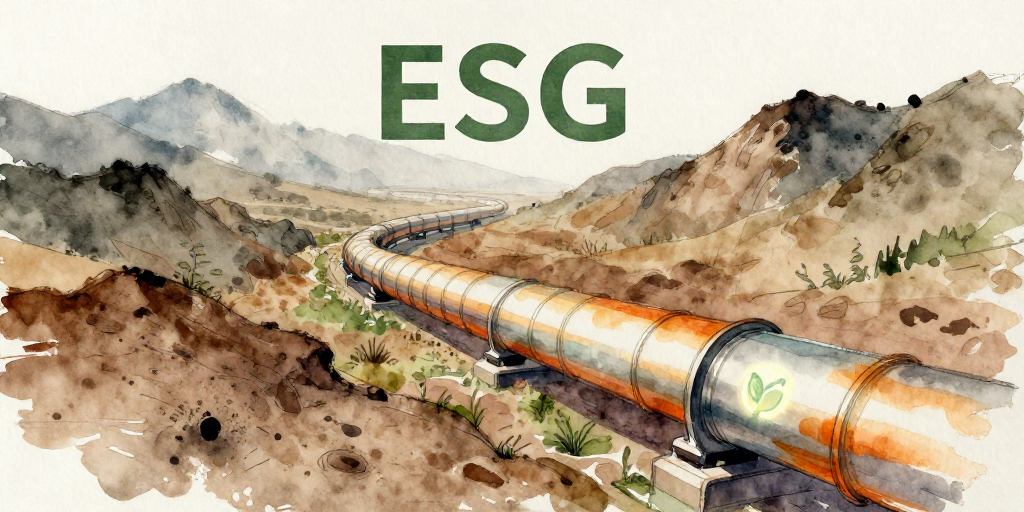
TC Energy’s Environmental, Social, and Governance (ESG) score has improved from 65 to 72 in the latest Sustainalytics assessment, largely due to investment in renewable‑energy integration on existing infrastructure. Nonetheless, the company has faced criticism for its involvement in high‑profile pipeline disputes in the United States, which could influence investor sentiment under the “green‑transition” risk lens.
3. Competitive Dynamics
3.1 Market Share in Canadian Midstream
TC Energy currently holds a 15 % share of Canada’s natural‑gas transportation market. Competitors such as Enbridge and Pembina Pipeline have increased their capital expenditures by 20 % to expand capacity, thereby intensifying pressure on freight rates. Analysts point out that TC Energy’s strategic focus on “green‑friendly” projects may provide a competitive advantage in a market increasingly favoring low‑carbon infrastructure.
3.2 Pricing Power
Freight rate elasticity in the natural‑gas sector averages 0.45. TC Energy’s recent rate‑increasing approvals have leveraged this elasticity, allowing the company to raise freight rates by 6 % in the past quarter while maintaining load volumes. This demonstrates a degree of pricing power that could sustain margins even amid competitive pressure.
4. Investor Sentiment and Market Dynamics
4.1 Sentiment Shift
The price‑target revisions by BMO and CIBC are part of a broader positive sentiment across the energy sector, which has seen a 4 % rally in the last month. Analyst reports highlight that this sentiment is underpinned by improvements in project execution, as evidenced by on‑schedule completions and cost containment.
4.2 Risk Considerations
- Regulatory Risk: Potential changes in federal policy could impose additional compliance costs.
- Environmental Risk: Ongoing litigation related to pipeline projects may lead to unforeseen liabilities.
- Market Risk: Volatility in natural‑gas prices—currently averaging $3.20 per MMBtu—could compress freight margins if upstream supply outpaces demand.
5. Forward‑Looking Outlook
The analysts’ optimistic outlook is premised on the assumption that TC Energy will continue to secure approvals and translate project milestones into revenue. Their caveat, however, is that regulatory and environmental uncertainties may moderate growth trajectories. Market participants will likely monitor the following indicators to gauge the sustainability of the recent gains:
- Approval pipeline velocity (number of permits granted per quarter).
- Construction start dates relative to forecasted operational timelines.
- EBITDA margin trends as new projects come online.
- ESG ratings and related capital‑market perceptions.
In conclusion, while the current price‑target adjustments reflect growing confidence in TC Energy’s operational performance and strategic positioning, investors should remain vigilant to the regulatory and environmental risks that could alter the company’s trajectory in the near term.