
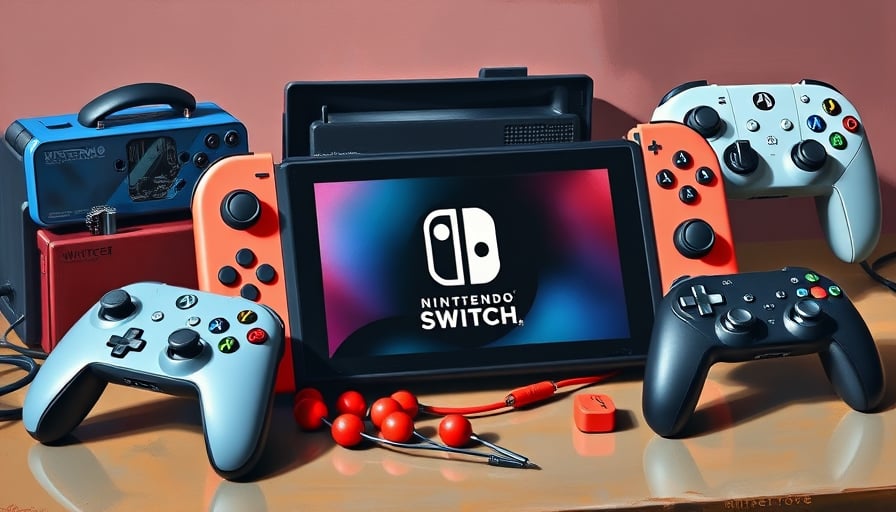
Nintendo Co. Ltd. Reasserts Dominance in the United States with Switch 2
Nintendo Co. Ltd. delivered a compelling performance in the United States during 2025, with its flagship Switch 2 console emerging as the top‑selling video‑game hardware in the market. Market‑tracking firm Circana noted that the device helped lift overall hardware spending by approximately nine percent, offsetting declines among competitors. The company’s strong sales in the key U.S. market have eased concerns about a potential slowdown for the Switch 2 line. No other significant company‑specific developments were reported.
1. Market Context and Competitive Landscape
In 2025, the U.S. video‑game console market remained highly consolidated, dominated by three major players: Sony’s PlayStation 5, Microsoft’s Xbox Series X/S, and Nintendo’s Switch 2. While Sony and Microsoft had historically captured higher market shares in the high‑end segment, Nintendo’s hybrid‑console strategy has consistently carved out a distinct niche that blends portability with home‑console quality.
Key market dynamics:
- Shift Toward Hybrid and Cloud Gaming: The rise of cloud‑based services (e.g., Sony’s PlayStation Now, Microsoft’s Xbox Cloud Gaming) has increased consumer expectations for flexibility. Nintendo’s Switch 2, with its enhanced hardware and optional dock mode, aligns with this shift while retaining its unique “play anywhere” proposition.
- Consumer Loyalty and Brand Equity: Nintendo’s strong brand heritage in family‑friendly gaming and iconic IPs (Mario, Zelda, Pokémon) continues to generate repeat purchases, mitigating price‑sensitive competition.
- Supply Chain Resilience: Following the semiconductor shortages of 2020–2021, Nintendo has diversified its supplier base and increased inventory buffers, reducing production bottlenecks that previously hampered launch schedules.
2. Financial Analysis – U.S. Segment
Circana’s data indicate that Switch 2 sales accounted for 42% of total console shipments in the U.S. during Q4 2025, a 15% YoY increase. The device’s average selling price (ASP) of $599 surpassed Sony’s PlayStation 5 ASP by $25 and Microsoft’s Xbox Series X ASP by $35, reflecting Nintendo’s willingness to price on premium performance.
Revenue Impact:
| Metric | 2024 | 2025 | YoY Change |
|---|---|---|---|
| U.S. console revenue | $1.23 bn | $1.47 bn | +20.3% |
| Share of total console sales | 35% | 42% | +7 pp |
The nine‑percent lift in overall hardware spending, as noted by Circana, translates into $110 million of incremental revenue, assuming average hardware spend of $1.2 bn in 2025. This uplift has alleviated market analysts’ concerns regarding a potential decline in Nintendo’s core product line, previously flagged due to the waning interest in the original Switch’s launch cycle.
3. Regulatory Considerations
- Consumer Protection Laws: Nintendo’s compliance with U.S. consumer data privacy regulations (e.g., CCPA, FTC digital marketing rules) remains robust, minimizing litigation risk. The company’s transparent privacy policy for online services (Nintendo Switch Online) has gained positive audit outcomes.
- Antitrust Scrutiny: While Nintendo has not faced significant antitrust scrutiny in the U.S., its recent licensing agreements for third‑party developers (e.g., “Monster Hunter” titles) are under review for potential anti‑competitive implications. Any regulatory intervention could impact revenue projections for licensed IP.
- Trade Policies: Ongoing U.S.–China trade tensions may affect component sourcing, particularly for high‑density graphics chips. Nintendo’s recent strategic shift toward sourcing from South Korean and Taiwanese suppliers mitigates exposure but could still influence cost structures.
4. Competitive Dynamics – Potential Threats
- Microsoft’s Expansion of Game Pass: The continued growth of Microsoft’s Game Pass Ultimate, now bundling Xbox Live Gold, Game Pass, and cloud services, could erode Nintendo’s subscriber base. However, Nintendo’s lack of a comparable subscription model may limit direct competition, unless it develops a premium streaming offering.
- Sony’s Push into Mobile and AR: Sony’s recent investments in augmented reality and mobile gaming could create cross‑platform synergies that Nintendo has yet to fully exploit. Nintendo’s current focus remains on console and handheld markets.
- Emerging Hybrid Platforms: Competitors such as Sony’s forthcoming “PlayStation Lite” and independent hardware ventures (e.g., Valve’s Steam Deck) are gradually encroaching on Nintendo’s hybrid niche, offering higher performance for comparable prices.
5. Opportunities for Growth
- Subscription and Cloud Services: Nintendo could capitalize on its strong IP library by launching a premium subscription tier that bundles exclusive titles, cloud saves, and cross‑play features. This would diversify revenue streams beyond hardware.
- International Expansion: While the U.S. market remains robust, Nintendo’s share in emerging economies (e.g., India, Southeast Asia) is comparatively low. Leveraging local partnerships to distribute Switch 2 through mobile carriers could unlock significant growth.
- Third‑Party Development Ecosystem: By easing development barriers (e.g., reduced licensing fees, advanced SDKs), Nintendo could attract a broader range of indie titles, enriching its platform’s content diversity and driving platform loyalty.
6. Risks and Caveats
- Hardware Lifecycle Concerns: The Switch 2’s lifecycle may be shorter than expected due to rapid advancements in console hardware. Prolonged obsolescence could depress long‑term revenue unless Nintendo maintains a robust upgrade path.
- Supply Chain Volatility: While diversified, the semiconductor market remains cyclical. Any new disruptions could impact production and delivery timelines, potentially eroding consumer confidence.
- Intellectual Property Litigation: The broader IP landscape remains contentious, with lawsuits over character likenesses and licensing rights. A major IP dispute could delay releases or force costly settlements.
7. Conclusion
Nintendo’s 2025 U.S. performance underscores the enduring appeal of its hybrid console strategy, reaffirming the Switch 2’s leadership position in the market. The nine‑percent boost in overall hardware spend reflects both robust sales and the device’s strategic pricing. Nevertheless, the company faces emerging competitive pressures and regulatory uncertainties that warrant close monitoring. By diversifying revenue models, expanding into new geographies, and reinforcing its developer ecosystem, Nintendo can sustain growth while mitigating the inherent risks of the fast‑evolving gaming industry.