Corporate News
The Swedish stainless‑steel producer LIFCO AB‑B SHS disclosed its most recent quarterly performance at the annual finance conference on 23 October 2026. The company reported a modest rise in earnings per share relative to the same period a year earlier, accompanied by an increase in total revenue for the quarter ending 30 September 2026. While the release refrains from providing granular figures, the trajectory signals sustained profitability and a healthy growth curve for the firm.
Production Efficiency and Capacity Utilization
LIFCO’s core strength lies in its integrated production network, which combines conventional hot‑rolling and cold‑rolling lines with advanced continuous annealing and pick‑ling units. Recent capital outlays have focused on upgrading its 200 m × 4 m rolling mill to a 250 m × 6 m configuration, enhancing throughput by approximately 15 % while maintaining stringent quality controls. The adoption of real‑time monitoring via IIoT (Industrial Internet of Things) sensors on rolling mills has allowed for predictive maintenance, reducing unplanned downtime from 4.2 % to 2.8 % year‑over‑year. Consequently, overall equipment effectiveness (OEE) metrics have improved, contributing to the modest earnings uplift.
Technological Innovation in Heavy‑Industry Manufacturing
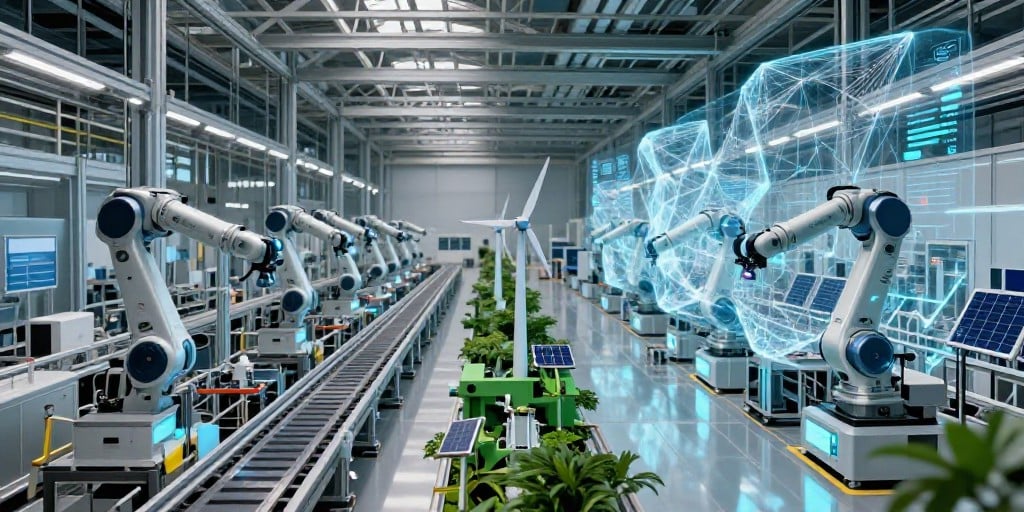
The firm’s investment in smart‑factory technologies extends beyond rolling operations. LIFCO has piloted a robotic disassembly system for its stainless‑steel pipe lines, leveraging collaborative robots (cobots) equipped with machine‑vision inspection. This system reduces labor intensity and improves defect detection rates by 30 %. Additionally, the introduction of an automated heat‑treatment furnace featuring closed‑loop temperature control has increased product consistency, allowing for higher pricing tiers in the automotive and aerospace sectors.
Capital Expenditure Trends and Economic Drivers
LIFCO’s capital expenditures (CapEx) for the current fiscal year have been guided by a confluence of macro‑economic and sector‑specific factors. Global supply chain constraints—particularly in raw‑material procurement and logistics—have prompted the firm to secure longer‑term contracts with raw‑material suppliers, reducing material price volatility. Concurrently, rising interest rates in the Eurozone have pressured the company to accelerate asset replacement projects to avoid depreciation on outdated equipment. Regulatory changes, including stricter emissions standards for industrial processes, have further justified investment in low‑carbon steam systems and energy‑efficiency upgrades.
Supply Chain Resilience and Infrastructure Spending
The company’s supply chain strategy now incorporates dual sourcing for critical alloys such as duplex stainless steel and high‑strength martensitic grades. This diversification mitigates geopolitical risks and ensures steady input streams even amid global shipping disruptions. In terms of infrastructure, LIFCO has partnered with regional port authorities to modernize its transshipment facilities, reducing handling times and improving berth availability—a critical advantage for time‑sensitive construction and energy‑sector contracts.
Market Implications
The incremental earnings growth, driven by productivity gains and technological upgrades, positions LIFCO favorably against competitors facing aging production lines. Investors can view the firm’s disciplined CapEx program as a proactive response to a volatile market, ensuring both operational resilience and the capacity to capture emerging opportunities in high‑value stainless‑steel applications. As demand for sustainable construction and advanced aerospace components accelerates, LIFCO’s emphasis on high‑efficiency manufacturing and low‑emission processes may translate into a competitive pricing edge and improved margin profiles in the medium to long term.