
Swatch Group AG Navigates a Shifted Luxury Landscape
Swatch Group AG, the Swiss manufacturer renowned for its watches and luxury apparel, has demonstrated resilience in a market that is increasingly balancing digital convenience with the allure of physical retail. The company’s shares, which closed at a modestly higher level on 7 January 2026, have appreciated gradually over the past year, mirroring the broader trajectory of the Swiss market index (SPI). This parallel suggests that investor confidence in the firm’s performance remains largely anchored in the overall strength of Swiss equities.
Digital‑Physical Retail Synergy in Luxury
The luxury watch sector has long been characterized by exclusivity and an emphasis on in‑store experience. Recent reports indicate a marked reduction in waiting times for high‑end timepieces. This improvement in supply dynamics is significant because it directly addresses one of the primary friction points for consumers seeking premium products. While the shift to digital sales channels continues to accelerate—particularly among younger buyers who value convenience—physical retail remains critical for luxury brands that rely on tactile engagement and personalized service.
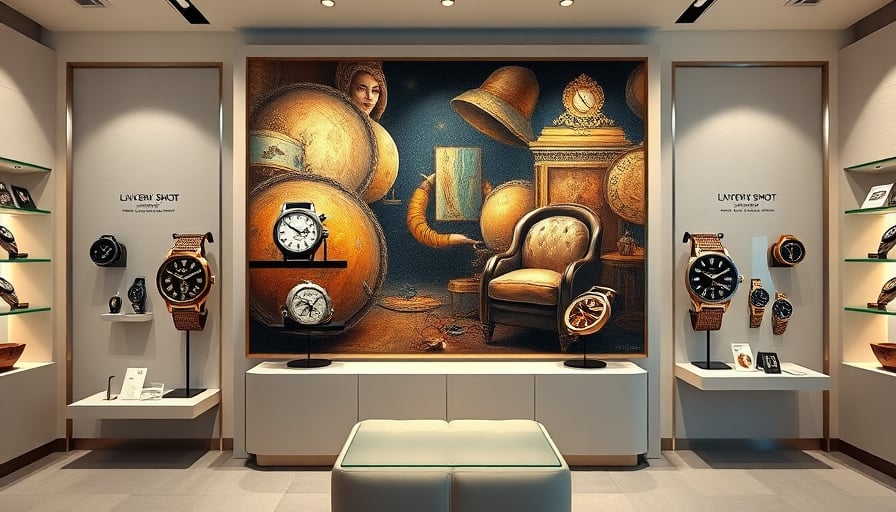
Swatch Group AG’s positioning capitalises on this duality. The company’s flagship retail stores, strategically located in high‑traffic urban centres, are being leveraged to deliver immersive brand experiences that cannot be replicated online. At the same time, Swatch Group’s digital platforms have been upgraded to provide seamless pre‑order capabilities and real‑time inventory updates, thereby reducing the perceived gap between digital inquiry and physical delivery.
Generational Spending Patterns
Millennials and Gen Z consumers are reshaping spending habits in the luxury segment. They tend to value authenticity and experiential purchase moments, often preferring to visit physical stores for the sensory and social components of the transaction. Conversely, older generations—particularly those in the Baby Boomer cohort—continue to place a premium on craftsmanship and heritage, which are highlighted in Swatch Group’s premium collections.
The convergence of these preferences presents a unique opportunity for Swatch Group AG. By tailoring in‑store experiences to younger consumers—through interactive displays, virtual try‑on technologies, and limited‑edition drops—while maintaining the traditional storytelling and artisanal focus that appeals to older buyers, the company can broaden its market share across demographics.
Cultural Shifts and Market Supply
Cultural movements such as the “slow‑fashion” ethos and increasing scrutiny of luxury consumption have spurred Chinese consumers to curb secondary market purchases. The Chinese market, once a significant driver of luxury watch demand, is experiencing a contraction in resale activity due to heightened anti‑corruption measures and a shift in consumer sentiment. Consequently, there is a pivot back toward primary retail channels, with consumers prioritising authenticity and the assurance of purchasing directly from reputable brands.
Swatch Group AG benefits from this shift. Its commitment to transparent supply chains and direct-to-consumer sales positions the firm to capture a segment of the market that is wary of counterfeit products and eager for brand assurance. Moreover, the reduced wait times for high‑end watches alleviate one of the key barriers that previously deterred time‑sensitive buyers.
Forward‑Looking Opportunities
- Hybrid Retail Models – Integrating advanced digital tools (augmented reality, AI‑based recommendations) within physical stores can enhance customer engagement and streamline the purchase journey.
- Experience‑Centric Marketing – Hosting workshops, masterclasses, and limited‑edition launches in-store can create buzz and reinforce the brand’s heritage narrative.
- Sustainability Storytelling – Emphasising eco‑friendly materials and ethical manufacturing aligns with the values of Gen Z and can differentiate Swatch Group’s offerings in a crowded market.
- Geographic Expansion – Targeting emerging markets with growing middle‑class populations (e.g., Southeast Asia, Latin America) while maintaining a strong digital presence can offset the slowdown in traditional luxury hubs.
- Data‑Driven Inventory Management – Leveraging predictive analytics to manage stock levels and reduce waiting times will continue to be a competitive edge.
In summary, Swatch Group AG’s steady share performance reflects not only a healthy alignment with the overall Swiss market but also a strategic response to evolving consumer dynamics. By harnessing the complementary strengths of digital transformation and physical retail, while staying attuned to generational preferences and cultural shifts, the company is well positioned to convert societal changes into tangible market opportunities.