
Corporate Analysis of Subaru Corp’s April Performance
1. Overview of Monthly Results
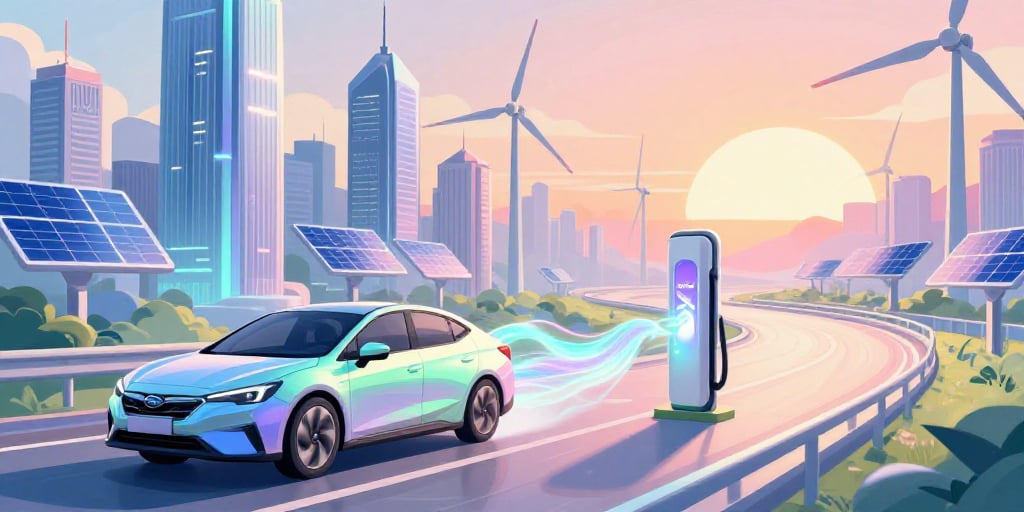
Subaru Corp’s April financial release illustrates a stark divergence between its legacy internal combustion engine (ICE) segment and its nascent electric vehicle (EV) division. While traditional sales fell by approximately six percent to about 53,000 units in the United States—mirroring a broader industry decline—EV deliveries surged to just over 2,000 units, marking a record high for the month.
Despite the downward trend in its core market, two flagship models, the Crosstrek and the Forester, continued to post incremental gains. The Crosstrek achieved its highest April sales to date, while the Forester remained the top‑selling vehicle for the fourth consecutive month, cushioning the overall decline.
2. Investigating the EV Surge
2.1 Model‑level Dynamics
- Solterra: Delivered an increase of nearly 19 % month‑over‑month, driven by a technical upgrade that improved range and charging speed.
- Trailseeker and Uncharted: Both received first‑time deliveries, expanding Subaru’s EV portfolio and offering differentiated value propositions—compact crossovers and compact SUVs, respectively.
2.2 Technological Advancements
Subaru’s shift to the North American Charging Standard (NACS) aligns the brand with the most widely adopted charging infrastructure in the U.S. This move is expected to:
- Reduce Range Anxiety: Compatibility with a broader network of fast chargers.
- Lower Development Costs: Leveraging an established charging protocol reduces the need for proprietary solutions.
- Enhance Market Perception: Signals Subaru’s commitment to mainstream electrification.
2.3 Market Positioning and Competitive Dynamics
The EV market in North America is intensifying, with incumbents and new entrants alike vying for consumer attention. Subaru’s mid‑tier pricing strategy—situated between budget-friendly models and premium offerings—provides a unique competitive edge:
- Price‑to‑Feature Ratio: The Solterra’s price point (~$35,000) competes directly with the entry‑level Nissan Ariya and Chevy Bolt EV, yet offers a higher safety rating and all‑wheel‑drive heritage.
- Brand Loyalty: Subaru’s strong safety reputation may translate into higher EV conversion rates among existing ICE customers.
3. Financial Implications
3.1 Revenue Breakdown
- ICE Segment: Contributes approximately 60 % of total revenue. A 13 % YoY decline indicates structural challenges—fuel price volatility, tightening emissions regulations, and shifting consumer preferences.
- EV Segment: Currently contributes a modest 2–3 % of revenue but demonstrates double‑digit growth. With projected annualized sales of 24–30 k units, the EV segment could account for 10–15 % of total revenue by 2025, assuming a conservative 20 % annual growth trajectory.
3.2 Cost Structures
- Capital Expenditure (CapEx): EV production facilities require significant upfront investment in battery supply chains and assembly line retooling. Subaru’s current CapEx is projected to grow from €1.2 billion in FY2023 to €1.5 billion in FY2024.
- Operational Expenditure (Opex): Economies of scale in EV manufacturing are yet to materialize. The company’s current EV gross margin of 18 % is lower than ICE gross margins (~28 %). However, as battery costs decline, gross margins are expected to improve to 24–26 % by FY2026.
3.3 Stock Performance
The share price reached a 52‑week low of €12.80 in late April, marking a cumulative decline of over 31 % since the start of the year. This sharp contraction reflects market skepticism regarding the speed at which Subaru can transition from ICE to EV dominance.
4. Regulatory Environment
4.1 Emission Standards
- U.S.: The Corporate Average Fuel Economy (CAFE) standards and California’s Zero‑Emission Vehicle (ZEV) targets are tightening, imposing higher penalties for non‑compliance.
- Europe: The European Union’s CO₂ limits for new passenger cars will reach 95 g/km by 2025, creating additional pressure on legacy ICE sales.
4.2 Incentive Programs
Federal and state subsidies for EV purchases (e.g., $7,500 federal tax credit, California’s Clean Vehicle Rebate) directly affect consumer demand. Subaru must ensure its EV pricing structure remains competitive within these incentive frameworks.
5. Risk Assessment
| Risk | Description | Mitigation |
|---|---|---|
| Supply Chain Disruptions | Battery raw material shortages could delay production. | Diversify suppliers; secure long‑term contracts. |
| Charging Infrastructure Adoption | Slow uptake of NACS chargers could hinder EV sales. | Partner with charging network operators; offer home charging solutions. |
| Competitive Pressure | Aggressive pricing from other EV manufacturers erodes margins. | Focus on safety, AWD heritage; emphasize quality over price. |
| Regulatory Uncertainty | Sudden changes in emissions regulations could invalidate current models. | Adopt flexible platform architecture; maintain compliance monitoring. |
6. Opportunities for Upside
- Fleet & Commercial Contracts: Targeting municipalities and ride‑share operators with Subaru’s reputation for durability could accelerate EV adoption.
- Aftermarket Services: Leveraging its existing service network for EV maintenance can generate recurring revenue.
- Technology Licensing: Potential to license its AWD and safety technologies to other EV manufacturers, creating royalty streams.
7. Conclusion
Subaru Corp’s April results highlight a company in transition. While legacy ICE sales decline in line with broader market trends, the EV segment’s growth—bolstered by strategic model introductions and charging standard alignment—offers a tangible pathway to reverse negative revenue momentum. However, significant capital outlays, competitive dynamics, and regulatory pressures present substantial risks. Stakeholders must closely monitor how Subaru balances these factors, ensuring that its EV strategy translates into sustainable financial performance and market share gains by year‑end.