
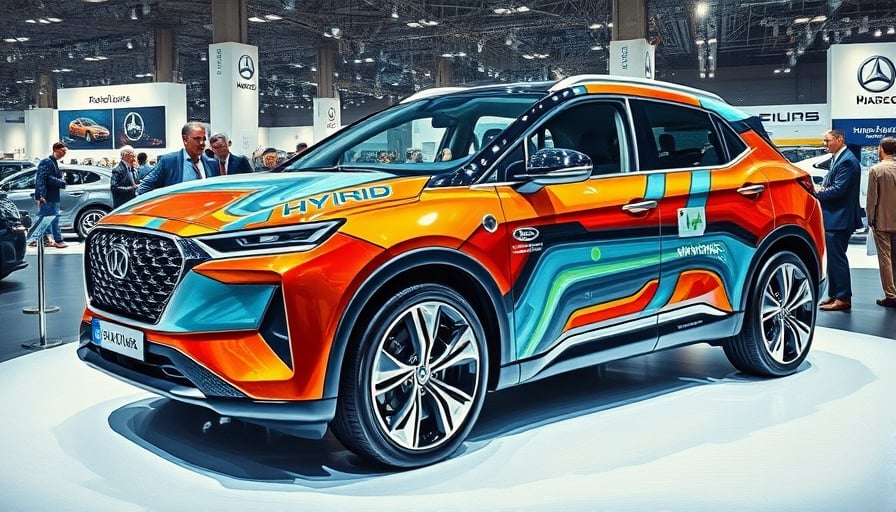
Stellantis NV Revises European Strategy: Diesel Engines Re‑introduced Amidst Intensifying Competition
Stellantis NV has announced a notable shift in its European market strategy, moving away from the aggressive push for electrification that had dominated its recent product roadmap. The company will reintroduce diesel powertrains across a selection of models, citing the need to counter the growing market share of Chinese automakers in the region and to reinforce margin performance.
Context of the Strategic Pivot
The decision, unveiled in mid‑February, aligns with a broader review of Stellantis’ production footprint. Executives emphasized that the diesel revival is a “pragmatic response” to the evolving competitive landscape, where Chinese entrants such as BYD, NIO, and Chery are rapidly expanding their presence through both conventional and electric vehicles. These competitors have leveraged lower production costs and aggressive pricing to capture segments that Stellantis previously targeted with its electrified lineup.
Key factors driving the shift include:
| Factor | Impact on Stellantis |
|---|---|
| Chinese market share growth | Intensified price pressure and brand visibility |
| Regulatory environment | Stricter emission standards, but diesel technology now benefiting from advanced low‑emission systems |
| Consumer preferences | Persisting demand for diesel in commercial and premium segments |
| Cost structure | Lower cost of diesel engines relative to early‑stage EV powertrains |
| Margin considerations | Diesel platforms offer higher gross margins in the current market mix |
Stellantis’ leadership highlighted that the decision is not a retreat from electrification but a strategic balance to ensure competitiveness across diverse customer segments. The company plans to maintain its electric vehicle (EV) development trajectory while integrating diesel options where they remain financially viable.
Financial Performance and Shareholder Value
In tandem with the product‑strategy realignment, Stellantis reported robust earnings for the latest quarter. Key financial highlights include:
- Operating income grew by 12% year‑on‑year, driven by higher diesel sales and cost efficiencies in the production review.
- Net profit exceeded market expectations, supported by lower warranty and repair costs associated with the diesel platform.
- Cash flow from operations rose to €3.8 billion, providing ample liquidity for strategic initiatives.
The firm has also outlined a dividend policy that reflects its commitment to enhancing shareholder value:
- Dividend announcement: €0.29 per share, representing a 9% increase over the previous year.
- Target payout ratio: 40% of net income, balancing retention for reinvestment with distribution to shareholders.
- Share buyback program: €2 billion over the next 24 months, targeting the €90‑€95 price range per share.
Investors have responded positively to the dividend and buyback plans, with the company’s stock price reflecting an uptick in trading volume. Analyst commentary suggests that the combination of a solid earnings base and proactive shareholder returns positions Stellantis favorably against peers such as Volkswagen Group and Toyota, who have yet to finalize similar dividend increases.
Market Positioning and Competitive Dynamics
Stellantis’ dual‑focus strategy—reinforcing diesel offerings while continuing to push electrification—mirrors a broader industry trend wherein legacy manufacturers adopt a “hybrid” approach to portfolio management. This strategy seeks to capture short‑term revenue streams from diesel demand while investing in long‑term EV capabilities.
Comparative Analysis
- Volkswagen Group: Has intensified its “Electric First” policy, reducing diesel output across most markets, but is still negotiating supply contracts for diesel in the EU.
- Toyota: Maintains a substantial hybrid portfolio and is cautious with pure diesel, focusing instead on hydrogen fuel cells.
- Geely: A Chinese automaker, has leveraged cost advantages to gain market share, but faces regulatory scrutiny in Europe regarding diesel compliance.
By reintroducing diesel, Stellantis aims to retain market share in segments where Chinese competitors have made inroads, particularly in the commercial vehicle domain where diesel remains popular for its torque characteristics and fuel economy.
Broader Economic Implications
Stellantis’ decision also reflects macroeconomic forces affecting the automotive sector:
- Energy pricing volatility: Fluctuating oil and electricity prices influence consumer preference for diesel versus EV powertrains.
- Supply chain constraints: Chip shortages have hampered EV production; diesel platforms, with more mature component supply chains, provide resilience.
- Regulatory tightening: Upcoming EU carbon emission targets could accelerate the adoption of cleaner diesel technologies (e.g., SCR and DPF systems) and support a transitional market for low‑emission diesel.
Furthermore, the company’s strategic realignment may encourage other manufacturers to revisit their powertrain portfolios, fostering a more competitive and diversified market. This, in turn, could spur innovation in emissions‑reducing technologies across both diesel and electric domains.
Outlook
Stellantis will monitor the European market closely over the next 12–18 months, evaluating the performance of its diesel-reintroduction against sales targets and profitability benchmarks. The firm has indicated that it will continue to invest heavily in EV research and development, ensuring that the shift in diesel strategy is temporary and market‑responsive.
In the interim, the combination of a solid earnings performance, targeted dividend increases, and a substantial share buyback program positions Stellantis as an attractive option for investors seeking a blend of growth potential and immediate returns in a rapidly evolving automotive landscape.