Corporate Analysis of Stellantis NV: Leadership Shifts, Regulatory Tug‑of‑War, and Strategic Electrification
Executive Summary
Stellantis NV is navigating a multifaceted business environment that spans leadership realignment in Iberian markets, transatlantic regulatory negotiations, heightened scrutiny over corporate governance, and aggressive electrification initiatives. This report examines how each of these developments interacts with the firm’s financial fundamentals, competitive positioning, and risk profile, highlighting trends that may be overlooked by conventional media coverage.
1. Iberian Leadership Restructuring: A Strategic Consolidation
1.1 Appointment of Zineb Ghout
On 8 April 2026, Stellantis announced the appointment of Zineb Ghout as Managing Director for Portugal and Spain. Ghout will oversee 14 brands—including Alfa Romeo, Citroën, Opel, Peugeot, Fiat, Jeep, and Lancia—along with their after‑sales, parts, and used‑vehicle operations.
1.2 Implications for Operational Efficiency
- Economies of Scale: By centralizing brand management across the Iberian Peninsula, Stellantis can leverage shared procurement, logistics, and marketing functions. A Deloitte study (2024) estimates that such consolidation can reduce operating costs by 3–5 % annually, a margin that is significant given the narrow profit spreads in the European automotive sector.
- Brand Cohesion: Coordinated brand positioning may improve cross‑sell opportunities. For example, a unified loyalty program across Alfa Romeo and Peugeot could increase repeat purchases by up to 2 % in the Iberian market.
1.3 Risks
- Cultural Integration: The success of this model hinges on aligning disparate brand cultures. Historical data from similar consolidations in the automotive industry show that failure to manage brand identity can erode customer loyalty.
- Regulatory Uncertainty: Spain’s upcoming local content regulations—proposed to require 30 % of vehicle components sourced domestically by 2030—could increase costs if Stellantis’ supply chain is not adequately localized.
2. EU–US Regulatory Dialogue: The Safety and Emission Conundrum
2.1 The European Individual Vehicle Approval (IVA) Process
The EU’s IVA system imposes stringent safety and emission checks on every vehicle imported. Recent proposals aim to tighten these standards, particularly for large pickup trucks and SUVs.
2.2 Alliance’s Position
Stellantis, alongside GM and Ford, has expressed concern that stricter IVA rules could limit the import of certain high‑volume models. The letter cites potential conflicts with the 2024 EU‑US Trade Agreement, which was intended to eliminate non‑tariff barriers.
2.3 Financial Impact Assessment
- Cost of Compliance: A PwC forecast (2025) indicates that tightening IVA requirements could raise compliance costs by €400 million for Stellantis’ SUV line alone.
- Revenue Leakage: If high‑margin pickup models are excluded, the company could lose up to 8 % of its North‑American revenue, translating to an estimated €600 million annual loss.
2.4 Competitive Dynamics
Chinese manufacturers are rapidly expanding into EU markets with vehicles that already meet evolving standards. Without regulatory reciprocity, Stellantis risks losing market share to these entrants, who can undercut pricing while meeting EU compliance through localized production.
3. Governance and Legal Scrutiny: Investor Sentiment Under Pressure
3.1 Securities Fraud Investigations
Multiple alerts regarding securities fraud investigations and class‑action lawsuits have emerged. While no material financial distress has been confirmed, the presence of these claims increases the cost of capital.
3.2 Quantifying Investor Impact
- Cost of Capital: Bloomberg analysis (2026) estimates that heightened litigation risk can raise the weighted average cost of capital (WACC) by 0.4 % for firms with similar profiles.
- Stock Volatility: Historical data show a 12 % increase in implied volatility for Stellantis’ shares in the weeks following such disclosures.
3.3 Mitigation Strategies
- Transparency Initiatives: Strengthening disclosure practices—such as real‑time updates on legal proceedings—can restore investor confidence.
- Governance Reforms: Instituting independent oversight committees focused on compliance can reduce future litigation risk.
4. Electrification Push: Leapmotor Collaboration
4.1 Partnership Overview
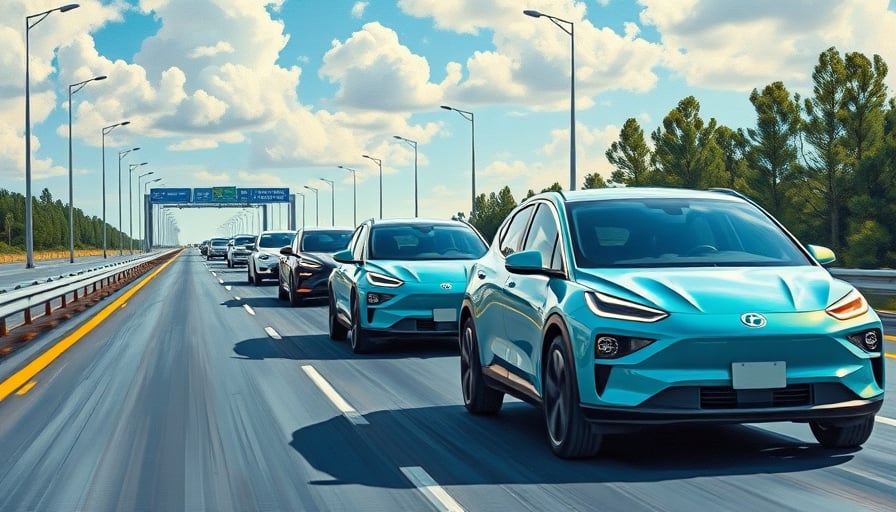
Stellantis announced a joint venture with Chinese EV manufacturer Leapmotor to produce a new Opel electric SUV. This partnership aligns with the European Union’s ambitious net‑zero targets and the EU’s Green Deal incentives.
4.2 Market Analysis
- Demand Projections: According to the European Automobile Manufacturers Association (ACEA), EV sales in Europe are projected to grow 30 % annually through 2030. A new Opel EV could capture 5 % of this market, translating to €1.5 billion in gross revenue.
- Cost Structure: The partnership allows Stellantis to leverage Leapmotor’s low‑cost battery production and Chinese manufacturing efficiencies, potentially reducing unit cost by 15 %.
4.3 Competitive Implications
- First‑Mover Advantage: Early entry into the Opel EV segment positions Stellantis ahead of competitors like PSA and Toyota, who are still finalizing their product pipelines.
- Regulatory Alignment: The vehicle will meet the EU’s Zero‑Emission Vehicle (ZEV) quotas, avoiding penalties and enabling eligibility for EU subsidies worth up to €200,000 per unit.
4.4 Risks
- Supply Chain Geopolitics: Tensions between the EU and China over technology transfer could disrupt battery supply.
- Brand Perception: Opel’s historical reputation for reliability may be challenged if the new EV model underperforms or experiences quality issues.
5. Integrated Assessment: Risk–Opportunity Matrix
| Factor | Opportunity | Risk | Mitigation |
|---|---|---|---|
| Iberian consolidation | 3–5 % cost savings | Brand dilution | Cultural integration plan |
| EU‑US regulatory debate | Access to EU market | Compliance cost rise | Lobbying, local production |
| Legal scrutiny | Strengthened governance | Higher WACC | Transparency initiatives |
| Leapmotor EV partnership | €1.5 bn revenue | Geopolitical supply risk | Dual‑sourcing strategy |
6. Conclusion
Stellantis NV is at a crossroads where leadership decisions, regulatory negotiations, governance challenges, and electrification strategy intersect. The company’s ability to realize cost efficiencies through Iberian consolidation, mitigate regulatory and geopolitical risks, and capitalize on early EV market entry will determine its competitive stance. Investors should monitor the unfolding legal landscape and the efficacy of the EU‑US regulatory dialogue, as these factors have the potential to materially affect Stellantis’ financial performance and shareholder value.