Corporate News – Detailed Analysis
Production Disruption at Stellantis NV’s French Facilities
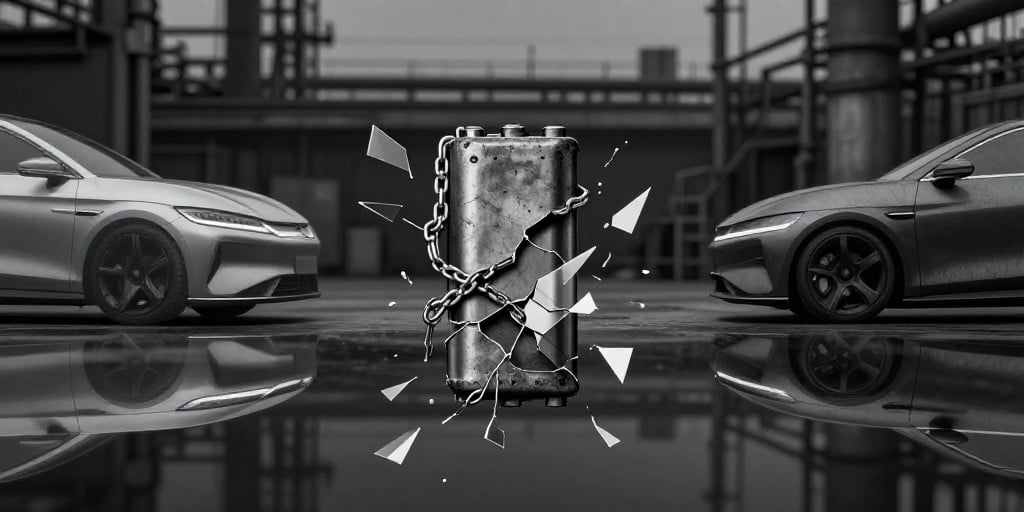
Stellantis NV, the multinational automotive conglomerate, announced a temporary halt in production at its three French plants—Sochaux, Rennes, and Mulhouse—effective from late September. The pause, expected to last at least one week, stems from a shortage of batteries required for long‑range electric vehicles (EVs).
Company officials stated that the demand for high‑range electric models, particularly among fleet customers, currently surpasses the available battery supply. The decision to suspend production aims to avoid an oversupply of vehicles that would not align with market demand. This move underscores the challenges automakers face in synchronizing component supply chains with shifting consumer preferences for electric mobility.
The battery shortage highlights several sector‑specific dynamics:
| Factor | Impact on Stellantis |
|---|---|
| Raw‑material price volatility | Escalating costs for lithium‑ion cells strain production budgets. |
| Supply‑chain fragmentation | Multiple battery suppliers create logistical bottlenecks. |
| Fleet‑segment sensitivity | Large orders from commercial fleets intensify demand pressure. |
| Competitive positioning | Competitors with more diversified battery sourcing may gain a temporary edge. |
Strategically, Stellantis is likely to accelerate its partnership with battery manufacturers and invest in in‑house cell production or shared supply agreements to mitigate future disruptions. The episode also illustrates the broader industry trend toward decarbonisation, where rapid electrification cycles can outpace component availability.
U.S. NHTSA Concludes Preliminary Investigation into Jeep Fire Incidents
The U.S. National Highway Traffic Safety Administration (NHTSA) has closed a preliminary investigation into a recall concerning Jeep vehicles that experienced fire incidents. The investigation, which began in 2024, focused on specific Wrangler and Gladiator models. NHTSA’s decision not to pursue further action at this time suggests that the agency did not find evidence of a systemic safety defect warranting regulatory intervention.
Key takeaways for stakeholders:
- Regulatory compliance: Jeep’s proactive recall mitigated potential safety risks, reinforcing brand responsibility.
- Risk management: The closure may reduce financial exposure for Jeep’s parent company, but continuous monitoring remains essential.
- Consumer confidence: Transparent communication regarding investigations helps sustain trust among fleet operators and individual owners.
The incident also reflects the automotive industry’s heightened focus on post‑market safety oversight, particularly as vehicles incorporate increasingly complex electronic and power‑train systems.
European Market Context
European equity indices concluded the week with modestly negative movement, indicating a cautious stance among investors amid commodity price volatility and geopolitical uncertainty. The Stoxx 600 and major national indices showed limited volatility, suggesting market stability but also reflecting underlying risk‑aversion.
The automotive sector, including Stellantis, experienced limited price action. This muted reaction can be attributed to:
- Supply‑chain concerns: Battery shortages and component lead times continue to weigh on profitability forecasts.
- Commodity price pressure: Rising steel and aluminum prices elevate manufacturing costs.
- Geopolitical tensions: Escalating trade friction and sanctions risk supply disruptions and market sentiment swings.
Despite these headwinds, the sector’s fundamental business principles—efficiency, scale, and innovation—remain crucial for long‑term resilience. Companies that can adapt operationally, secure diverse supply networks, and invest in emerging technologies such as autonomous driving and electrification are better positioned to navigate these cross‑industry economic pressures.
Cross‑Industry Connections
The events outlined above underscore several inter‑sectoral linkages:
- Supply‑chain resilience: Both the automotive battery shortage and the Jeep fire investigation highlight the importance of robust supply chains, a concern shared by manufacturing, technology, and logistics industries.
- Regulatory oversight: The NHTSA’s decision reflects a broader trend of regulatory bodies worldwide tightening standards for safety and environmental compliance, affecting sectors ranging from automotive to aerospace.
- Commodity dynamics: Fluctuating prices of metals and energy directly impact production costs across manufacturing, construction, and transportation, reinforcing the interconnectedness of commodity markets and corporate profitability.
In sum, Stellantis’s production halt and the Jeep safety investigation illustrate the complex interplay of supply constraints, regulatory environments, and market dynamics that define the contemporary corporate landscape. Firms that can synthesize industry‑specific insights with overarching economic trends will better anticipate risks and capitalize on emerging opportunities.