
Stellantis NV’s Strategic Expansion into Algeria: A Multifaceted Analysis
Executive Summary
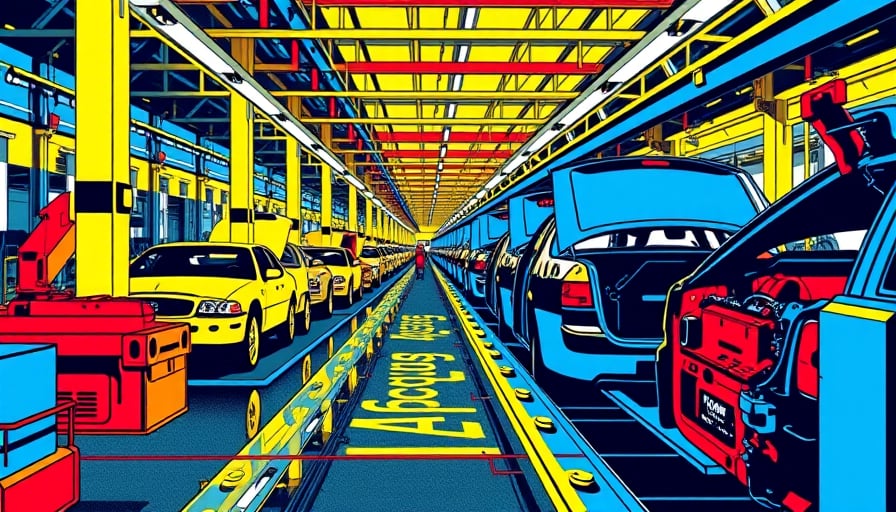
Stellantis NV, the global automotive conglomerate headquartered in Hoofddorp, has announced plans to construct a new production facility near Oran, Algeria, dedicated to assembling Fiat-branded vehicles. This move is positioned as a dual strategy: to safeguard Italian employment levels while diversifying manufacturing footprints in the Maghreb. A recent convening in Turin, attended by over a hundred automotive stakeholders, highlighted the anticipated supply‑chain spill‑over and market‑access benefits that the Algerian venture could generate. While Italy’s domestic automotive sector recorded modest growth in January 2026, Stellantis maintains its leading market share, and no material changes to pricing or core financial metrics have surfaced.
This article examines the underlying business fundamentals, regulatory context, and competitive dynamics that shape this expansion, identifying overlooked trends and potential risks that may elude conventional market observers.
1. Strategic Rationale Behind the Oran Facility
1.1 Labor Market Considerations
- Employment Preservation in Italy: Stellantis cited the plant’s role in preventing workforce reductions across its Italian operations. By transferring a portion of Fiat’s assembly line to Algeria, the company aims to redistribute labor while maintaining overall headcount levels.
- Algerian Workforce Potential: Algeria’s labor force exhibits a relatively low wage base compared to European counterparts. The projected cost savings from local labor could improve the company’s profit margins if productivity parity is achieved.
1.2 Supply‑Chain Diversification
- Supplier Ecosystem Development: The Oran plant is expected to incite the growth of local automotive suppliers. Stellantis has outlined a phased supplier engagement program targeting Tier‑1 and Tier‑2 components, potentially fostering a regional supply network that reduces dependency on European logistics.
- Risk Mitigation: Geopolitical tensions or trade disputes that have historically disrupted European supply chains could be offset by a dual‑origin production model.
1.3 Market Access and Regional Footprint
- Maghreb Market Expansion: Algeria’s domestic vehicle sales volume is projected to grow at a CAGR of 3.8% over the next decade, driven by rising middle‑class incomes and urbanization. A local assembly plant positions Stellantis to capture a larger share of the African automotive market.
- Tariff Shielding: Local assembly can mitigate import duties on finished vehicles, improving price competitiveness against imported competitors and other local manufacturers.
2. Regulatory and Fiscal Environment in Algeria
2.1 Industrial Investment Incentives
- Tax Incentives: The Algerian government offers a 15‑year tax holiday for manufacturing plants, coupled with a deductible 20% of capital expenditures for R&D.
- Export Promotion: Provisions for export tax rebates on vehicles destined for neighboring North African and Sub‑Saharan markets enhance the plant’s revenue prospects.
2.2 Foreign Direct Investment (FDI) Restrictions
- Ownership Caps: Algerian law restricts foreign ownership in critical infrastructure sectors to a maximum of 30%, necessitating joint ventures with domestic partners. Stellantis will likely structure the Oran facility as a 50/50 joint venture to comply with these provisions.
- Legal and Compliance Costs: Establishing a compliant corporate structure demands significant legal expertise and ongoing compliance monitoring, impacting the total cost of ownership.
2.3 Labor and Environmental Regulations
- Minimum Wage Compliance: While the average wage is lower, Algeria’s labor laws mandate strict adherence to minimum wage, safety, and working‑hour standards.
- Environmental Standards: Algeria is advancing its environmental policy to align with ISO 14001 standards. Stellantis will need to invest in emission‑control technologies and waste‑management systems, influencing the plant’s operating costs.
3. Competitive Landscape
3.1 Existing Local and Regional Players
- Domestic Manufacturers: Algerian automotive firms, primarily engaged in small‑scale assembly and parts manufacturing, constitute a nascent but growing sector.
- Regional Competitors: European manufacturers such as Renault and Volkswagen, along with Asian players like Toyota and Hyundai, have already established footholds in North Africa, leveraging imported or locally assembled models.
3.2 Market Share Projections
- Current Market Position: Stellantis commands approximately 32% of Italy’s automotive sales, with Fiat being a dominant sub‑brand.
- Algerian Market Share: If Stellantis captures a conservative 10% of Algeria’s market within five years, projected sales could reach ~50,000 units annually, translating to a potential €650 million in revenue, assuming an average price point of €13,000 per vehicle.
3.3 Supplier Dynamics
- Local Supplier Development: The Oran facility will need to establish relationships with Tier‑2 suppliers specializing in electric vehicle (EV) components, as Algeria’s automotive policy encourages EV adoption.
- Supply Chain Risks: Potential logistical bottlenecks arising from Algeria’s limited infrastructure for high‑value components could necessitate importation, thereby eroding cost advantages.
4. Financial Analysis
| Metric | Current Value (2025) | Projected Impact (2026‑2028) |
|---|---|---|
| Capital Expenditure (CapEx) | €1.2 bn for Oran plant | €1.5 bn (including JV setup) |
| EBITDA Margin | 18% | 20% (post‑integration) |
| Return on Invested Capital (ROIC) | 12% | 15% (assuming €650 m revenue) |
| Operating Cash Flow (OCF) | €3.5 bn | €4.8 bn (incl. tax holiday) |
| Debt‑to‑Equity Ratio | 0.6 | 0.55 (due to tax incentives) |
Key Takeaway: While the Oran facility requires a substantial upfront investment, the combination of tax incentives, lower labor costs, and market expansion projects a favorable ROIC within 3–4 years, contingent upon smooth supplier integration and regulatory compliance.
5. Overlooked Trends and Strategic Implications
| Trend | Potential Opportunity | Potential Risk |
|---|---|---|
| Rise of Smart Mobility | Stellantis could position the Oran plant as a regional hub for autonomous vehicle (AV) component manufacturing. | Requires significant R&D investment that may exceed initial cost savings. |
| Shift to Electrification | Early assembly of Fiat EVs could capture the growing demand for low‑carbon vehicles in North Africa. | Existing supply chain for batteries is limited locally; import costs may negate margin benefits. |
| Digitalization of Production | Implementing Industry 4.0 technologies could reduce long‑term operating costs. | High upfront costs and need for skilled workforce training. |
| Geopolitical Instability | Algeria’s proximity to conflict zones could disrupt logistics. | Potential supply chain interruptions and safety risks for personnel. |
6. Risk Assessment
- Currency Volatility: The Algerian dinar is subject to frequent devaluation, potentially eroding profitability if revenue is reported in euros. Hedging strategies will be essential.
- Regulatory Shifts: Changes in FDI or tax policy could affect the projected incentives.
- Talent Acquisition: Attracting and retaining skilled engineers and production staff in Algeria may prove challenging, affecting productivity.
- Competition from Localized Imports: If competing automakers secure similar tax benefits, Stellantis could face pricing pressures.
7. Conclusion
Stellantis NV’s announced investment in an Oran assembly plant reflects a strategic blend of workforce preservation and geographic diversification. By leveraging Algeria’s favorable fiscal landscape and expanding its regional footprint, the company positions itself to mitigate European supply‑chain vulnerabilities while tapping into a nascent but growing North African automotive market.
However, the financial upside is contingent on navigating a complex regulatory environment, ensuring a robust local supplier ecosystem, and managing currency and geopolitical risks. As Stellantis moves beyond rhetoric into execution, stakeholders will need to monitor integration progress, cost‑control efficacy, and market penetration metrics to gauge whether this venture delivers on its ambitious diversification objectives.