Stellantis NV Amidst Modest Share‑Price Gains, Strategic Expansion and Safety Concerns
Stellantis NV’s equity has moved only modestly in the broader market, yet the automaker’s underlying dynamics reveal a more nuanced picture. The company’s share price, still the most actively traded constituent of France’s CAC 40, rose slightly during midday trading. This modest lift reflects a prevailing positive market tone driven by a rally in the CAC 40, which approached the 8 150‑point mark, supported by gains in industrial and consumer leaders such as Schneider Electric, Capgemini, and LVMH. The rally has been buoyed by a decline in global oil prices, mitigating inflationary pressures and providing a tailwind for energy‑linked industrial stocks.
Expansion in India: A Strategic Bet on Emerging Markets
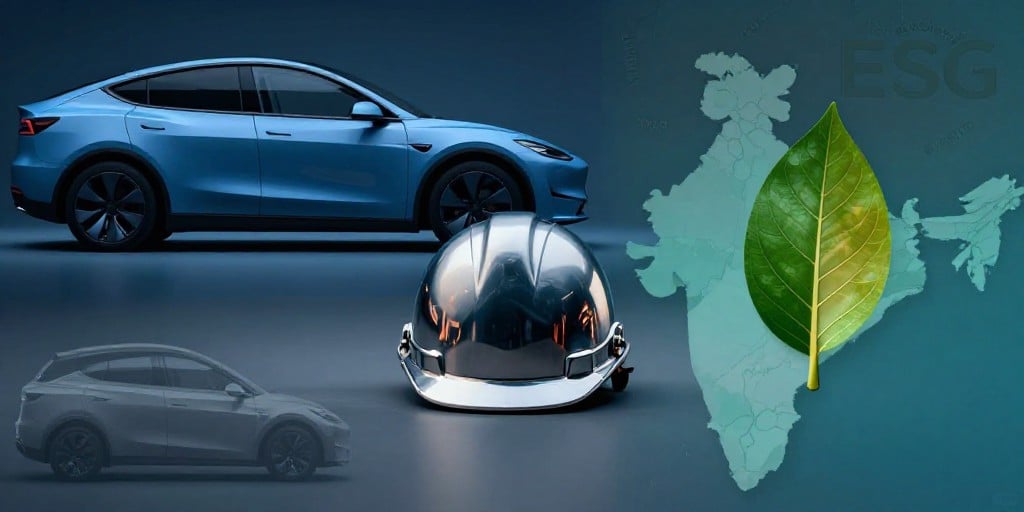
Amid this backdrop, Stellantis announced a significant expansion of its production footprint in India. The company plans to scale output at its Thiruvallur plant to roughly 50 000 vehicles next year, up from about 18 000 units currently. Approximately 60 % of that output will be earmarked for export. The investment—nearly €1 billion—aligns with Stellantis’ FaSTLAne 2030 plan, which seeks to leverage regional manufacturing efficiencies and scale the global supply chain.
From a financial perspective, the expansion is expected to generate incremental EBIT margins by tapping into lower labor costs and favorable tax incentives in India. The company’s recent earnings guidance suggests that the additional capacity will contribute 2–3 % to overall sales volume over the next three years, translating into an estimated €250 million incremental EBIT. However, the expansion also raises several risks:
| Risk | Impact | Mitigation |
|---|---|---|
| Supply‑chain disruptions in a post‑pandemic environment | Medium | Diversify component sourcing and invest in local suppliers |
| Regulatory changes in India’s automotive sector | Low | Engage local regulators and lobby for stable policies |
| Currency volatility (EUR/INR) | Medium | Hedge foreign‑exchange exposure through forward contracts |
The opportunity, meanwhile, lies in positioning Stellantis as a major exporter from a rapidly expanding market. India’s projected automotive sales growth of 6–7 % per year through 2027 could allow Stellantis to capture a larger share of the global export market, especially if it can integrate its platform strategy with Indian demand for compact, fuel‑efficient vehicles.
Safety Incident in Poissy: Operational Risk Spotlight
A separate incident at a Stellantis‑owned facility in Poissy, where an employee was trapped under a hydraulic press for several hours, underscores lingering safety challenges. While the company has reiterated its commitment to stringent safety protocols, the incident invites scrutiny of its global manufacturing practices. Safety incidents can erode worker morale, invite regulatory penalties, and damage brand reputation.
Key regulatory concerns include:
- Compliance with EU safety directives – The European Union’s Machinery Directive and the General Safety Directive require rigorous risk assessments and preventative measures. Any failure to meet these standards may trigger fines exceeding €5 million and mandatory operational shutdowns.
- Worker safety insurance costs – Repeated incidents can lead to increased premiums for occupational health insurance, inflating operating costs.
- Public perception – In an era where sustainability and social responsibility are increasingly tied to investment decisions, safety lapses can deter ESG‑focused investors.
To mitigate these risks, Stellantis could consider:
- Implementing an ISO 45001‑compliant occupational health and safety management system across all sites.
- Deploying real‑time safety monitoring technologies (e.g., AI‑enabled video analytics) to detect hazardous conditions before they result in injuries.
- Establishing a cross‑functional safety committee that includes worker representatives, ensuring that frontline concerns are incorporated into policy updates.
Competitive Landscape and Market Dynamics
The automotive sector is experiencing a rapid shift toward electrification, autonomous driving, and shared mobility. Stellantis’ FaSTLAne 2030 plan focuses primarily on platform consolidation and cost‑efficient production. While this approach can yield economies of scale, the company faces competition from:
- Chinese OEMs – Manufacturers such as BYD and NIO are rapidly expanding global export footprints, particularly in emerging markets where price sensitivity remains high.
- German luxury brands – Mercedes‑Benz, BMW, and Audi are investing heavily in electric platforms and software ecosystems, potentially outpacing Stellantis in premium segments.
- Tech‑focused entrants – Companies like Tesla and Rivian continue to disrupt traditional automotive sales models with direct‑to‑consumer strategies and vertical integration.
Stellantis’ strategy to export 60 % of its Indian production could help counterbalance these forces, but success will hinge on aligning product offerings with local consumer preferences, ensuring battery supply chain resilience, and investing in software capabilities to meet the growing demand for connectivity.
Investor Takeaway
From a valuation standpoint, Stellantis’ market cap of €42 billion reflects a modest premium to peers in the European automotive space. The company’s beta of 1.1 suggests sensitivity to macro‑economic cycles, consistent with its exposure to oil prices and industrial demand. Analysts anticipate that the Indian expansion, coupled with a gradual shift toward electrification, could lift the company’s long‑term growth prospects, but only if safety and supply‑chain challenges are proactively addressed.
Investors should therefore:
- Monitor the implementation of safety reforms and any regulatory actions that may arise from the Poissy incident.
- Track progress on the FaSTLAne 2030 milestones, particularly the achievement of the 50 000‑vehicle target at Thiruvallur and the proportion of exports realized.
- Evaluate competitive positioning against the backdrop of accelerating electrification and software‑driven value chains.
By maintaining a skeptical yet informed stance, stakeholders can better appreciate the nuanced risks and opportunities that lie ahead for Stellantis NV.