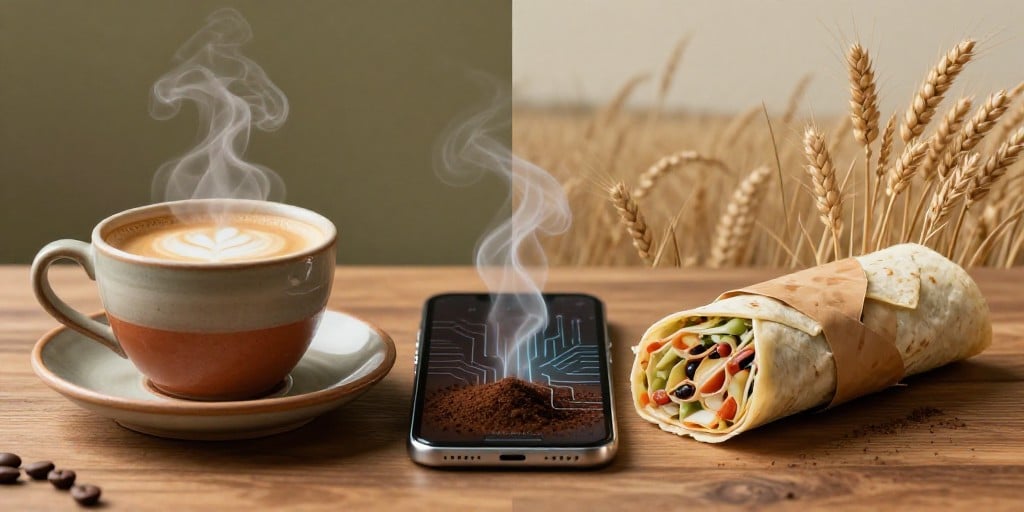
Corporate News Report: Starbucks–Chipotle Merger Speculation and Its Implications for the Restaurant Sector
Market Context and Analyst Sentiment
Wall Street analysts have voiced reservations about a prospective consolidation between Starbucks Corp. and Chipotle Mexican Grill, Inc. The debate centers on the premise that a merger could establish a sizable, diversified restaurant operator, uniting Starbucks’ global coffee‑house footprint with Chipotle’s specialty‑food platform under a single corporate umbrella.
Despite the allure of brand synergy, market participants remain skeptical. Concerns focus on:
- Brand Identity Alignment – Starbucks and Chipotle have cultivated distinct value propositions, customer experiences, and loyalty ecosystems. Merging these identities risks diluting each brand’s unique positioning and alienating core demographics.
- Operational Integration Complexity – Supply‑chain management, workforce training, and technology platforms differ markedly between a coffee‑centric chain and a fast‑casual Mexican‑style chain. Achieving seamless integration could incur significant costs and operational disruptions.
- Scale Versus Complexity – While economies of scale in procurement and distribution might be realized, the combined entity could confront amplified regulatory, logistical, and cultural challenges that erode potential gains.
The cautious market reaction is reflected in the pricing and trading activity of both companies’ shares, underscoring that even high‑profile merger discussions do not automatically translate into perceived shareholder value.
Linking Lifestyle Trends to Consolidation Dynamics
The broader theme of consolidation in the restaurant sector is inseparable from evolving consumer behaviors. Two intersecting forces—digital transformation and lifestyle shifts—are reshaping the competitive landscape.
| Trend | Impact on Consumer Behavior | Implication for Consolidation |
|---|---|---|
| Digital Ordering and Delivery | Consumers increasingly favor contactless payments, app‑based ordering, and same‑day delivery. | Mergers can pool digital platforms, reducing duplicated investment and expanding delivery reach. |
| Experience‑Centric Dining | Shoppers prioritize ambiance, sustainability, and community engagement. | A combined portfolio can offer varied experiential tiers (e.g., Starbucks’ upscale “Reserve” concept and Chipotle’s “Bistro” pop‑ups). |
| Health & Sustainability Consciousness | Millennials and Gen Z demand plant‑based options, transparent sourcing, and reduced environmental footprints. | Cross‑brand initiatives—such as shared sustainable ingredient sourcing—can accelerate ESG credentials. |
| Convenience‑Driven Shopping | Busy professionals seek quick, healthy grab‑and‑go options. | Integrated store formats (coffee + food kiosks) can capture a broader share of the “office‑to‑home” consumer. |
These trends converge on a critical observation: consumers are not merely buying food; they are purchasing an integrated digital‑physical experience. A consolidation that marries Starbucks’ robust loyalty ecosystem with Chipotle’s streamlined food‑prep model could, if executed thoughtfully, offer a differentiated value proposition that aligns with this consumer psyche.
Generational Spending Patterns and Market Opportunities
- Generation Z: Prefers authenticity, digital engagement, and socially responsible brands. Their average spend on food service is lower but highly responsive to price‑per‑experience.
- Millennials: Seek convenience, healthy options, and community spaces. They drive loyalty program participation.
- Gen X / Baby Boomers: Value quality, consistency, and can support premium pricing for specialty items.
A merged entity could segment its product lines to cater to each cohort—premium “Reserve” coffee for Gen X, plant‑based burritos with digital coupons for Gen Z, and family‑friendly combo meals for Millennials. This targeted approach would convert generational insights into concrete menu and marketing strategies, enhancing revenue diversification.
Forward‑Looking Analysis
- Digital Platform Synergy
- Combining Starbucks’ mobile app with Chipotle’s order‑in‑app could create a unified customer interface, reducing acquisition costs per user.
- Data integration would enable cross‑promotional analytics, optimizing personalized offers (e.g., recommending a Chipotle wrap to a Starbucks frequent purchaser).
- Physical Retail Re‑imagining
- Hybrid storefronts (coffee + food kiosks) could maximize real‑estate usage, especially in high‑traffic urban locales.
- Pop‑up “Bistro” concepts could test new menu items with lower capital commitment, feeding back into the core brand pipeline.
- Operational Efficiency Gains
- Shared supply‑chain partners (e.g., dairy, produce, packaging) could secure better pricing and reduce waste through synchronized demand forecasts.
- Consolidated training programs and corporate governance structures could standardize service quality, bolstering brand reputation.
- Risk Mitigation
- Maintaining distinct sub‑brands within a holding structure could preserve loyal customer bases while allowing cross‑brand experimentation.
- Phased integration—starting with technology and supply‑chain alignment, followed by in‑store experimentation—would reduce the risk of operational disruption.
- Investor Perspective
- Valuation hinges on the tangible realization of cost savings versus the intangible cost of brand dilution.
- Transparent communication of integration milestones and early ROI metrics will be essential to regain market confidence.
Conclusion
The speculative Starbucks–Chipotle merger encapsulates the broader dynamics of the restaurant sector, where digital transformation, evolving consumer lifestyles, and generational preferences converge to redefine competitive advantage. While market skepticism is warranted given integration complexities, a carefully calibrated consolidation strategy that leverages digital synergies, diversified physical formats, and targeted generational offerings could unlock significant market opportunities. Investors and industry observers will watch closely to see whether such a move can translate the promise of scale and brand breadth into measurable shareholder value.