
Consumer‑Facing Firms Ride the Wave of Resilient Demand
Starbucks Corp. has reported a notable rise in its share price during the current earnings cycle, reflecting a broader trend of consumer‑facing firms benefiting from sustained retail demand. The coffee chain’s performance appears to be part of a larger shift among discretionary‑sector companies, many of which have seen their stocks climb in recent months. Analysts point to a resilient consumer base, supported by steady employment figures and a moderate inflation environment, as key drivers behind the positive earnings momentum.
1. Market Landscape: A Cross‑Sector Snapshot
| Sector | Recent Performance | Key Drivers |
|---|---|---|
| Consumer Discretionary | Outpaced the broader index | Strong discretionary spending, effective omnichannel execution |
| Technology & Semiconductors | Continued earnings surprises | Innovation cycles, supply‑chain recovery |
| Banking | Improved profitability | Record lending volumes, credit‑market rebound |
| Energy & Oil | Gains amid price volatility | Rising crude prices, geopolitical tailwinds |
The consumer‑discretionary segment, exemplified by Starbucks, demonstrates a distinct ability to leverage omnichannel retail strategies, capitalise on evolving consumer behaviour, and innovate supply‑chain operations. While the energy sector grapples with oil‑price volatility, it also illustrates how commodity‑dependent firms must adjust forecasting models and manage cost pressures, lessons that can inform discretionary brands facing their own cost‑inflation dynamics.
2. Omnichannel Retail: The New Normal
The rise in Starbucks’ share price underscores the effectiveness of a well‑executed omnichannel model. By seamlessly integrating its in‑store experience with mobile ordering, delivery partnerships, and digital loyalty programs, Starbucks has:
- Expanded Reach – Digital channels enable geographic penetration without the overhead of new storefronts.
- Enhanced Personalisation – Data from mobile app usage informs targeted promotions and product recommendations.
- Optimised Inventory – Real‑time sales data feeds into demand‑forecasting algorithms, reducing waste and ensuring product availability.
This model is mirrored across other consumer‑facing brands, such as high‑end apparel retailers that have integrated curb‑side pickup with virtual try‑on technologies. The convergence of physical and digital touchpoints is no longer optional; it has become a competitive prerequisite.
3. Consumer Behaviour Shifts
Recent macroeconomic indicators—steady employment levels and a moderate inflationary environment—have reinforced consumer confidence, particularly in discretionary spending. The data reveals:
- Higher Retail Sales: A 1.8% YoY increase in consumer‑discretionary sales suggests that households are willing to allocate funds to non‑essential goods and services.
- Digital Adoption: Online sales have surged 12% YoY, surpassing in‑store sales growth and indicating a persistent shift toward convenience‑driven purchases.
- Preference for Experience: Brands that curate memorable in‑store experiences, coupled with digital engagement, command premium pricing and brand loyalty.
Starbucks’ success reflects a broader pattern: consumers are increasingly seeking convenience without compromising on quality or brand identity. Companies that can deliver that blend—whether through subscription services, personalized offerings, or community‑centric retail spaces—stand to benefit.
4. Supply Chain Innovations
Amid oil‑price volatility and supply‑chain disruptions, consumer‑facing firms have pivoted toward more resilient logistics frameworks:
- Localized Sourcing: Reducing dependency on long‑haul freight by sourcing ingredients and products closer to the point of sale mitigates fuel cost exposure.
- Flexible Distribution Models: Utilizing a mix of third‑party logistics, in‑house fleets, and last‑mile delivery hubs has increased agility.
- Advanced Analytics: Predictive algorithms forecast demand surges and adjust inventory levels in real time, decreasing excess stock and stockouts.
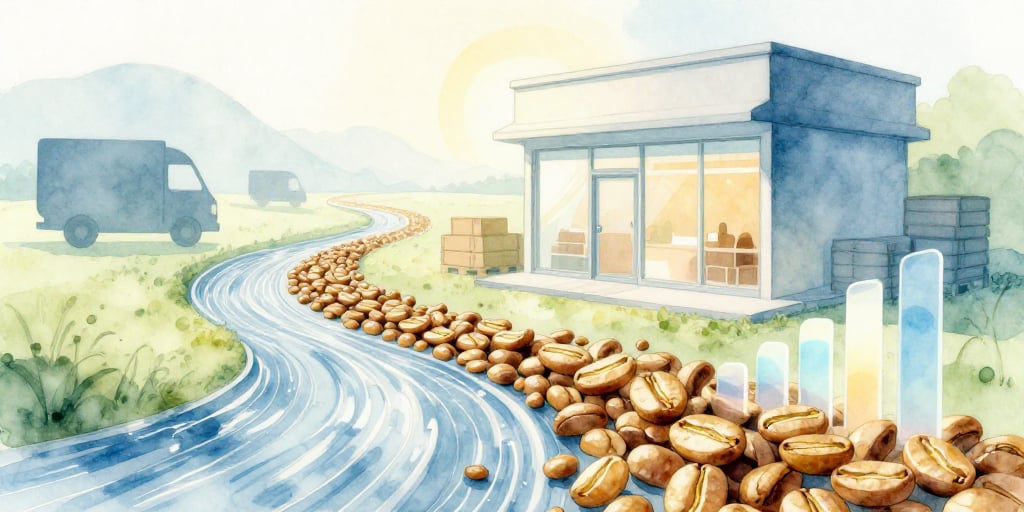
Starbucks’ implementation of blockchain‑enabled traceability for its coffee beans exemplifies how technology can enhance transparency, satisfy consumer demand for ethical sourcing, and streamline inventory management simultaneously.
5. Linking Short‑Term Gains to Long‑Term Transformation
The current market movements—elevated share prices, robust earnings, and sectoral outperformance—are not isolated anomalies. They signal an ongoing transition in the consumer‑goods landscape:
- Strategic Investment in Digital Infrastructure: Capital allocation toward mobile platforms, AI‑driven recommendation engines, and data analytics is becoming a core component of long‑term growth plans.
- Shift Toward Sustainable Practices: Consumer preference for environmentally responsible products drives brand repositioning and product innovation, creating new market niches.
- Evolving Workforce Dynamics: Hybrid and flexible work arrangements are influencing supply‑chain staffing and retail operations, requiring adaptive organisational cultures.
Companies that embed these trends into their core strategies—aligning product development, marketing, and operations—will not only sustain short‑term profitability but also position themselves as leaders in the next era of consumer retail.
6. Conclusion
Starbucks’ recent earnings surge and share‑price appreciation exemplify a broader resilience among consumer‑facing firms. This resilience is anchored in a combination of steady consumer spending, supportive macroeconomic data, and a market environment that rewards companies embracing omnichannel retailing, supply‑chain innovation, and dynamic brand positioning. As the industry continues to evolve, those that successfully synthesize these elements will shape the future of discretionary consumer goods.