
Corporate News
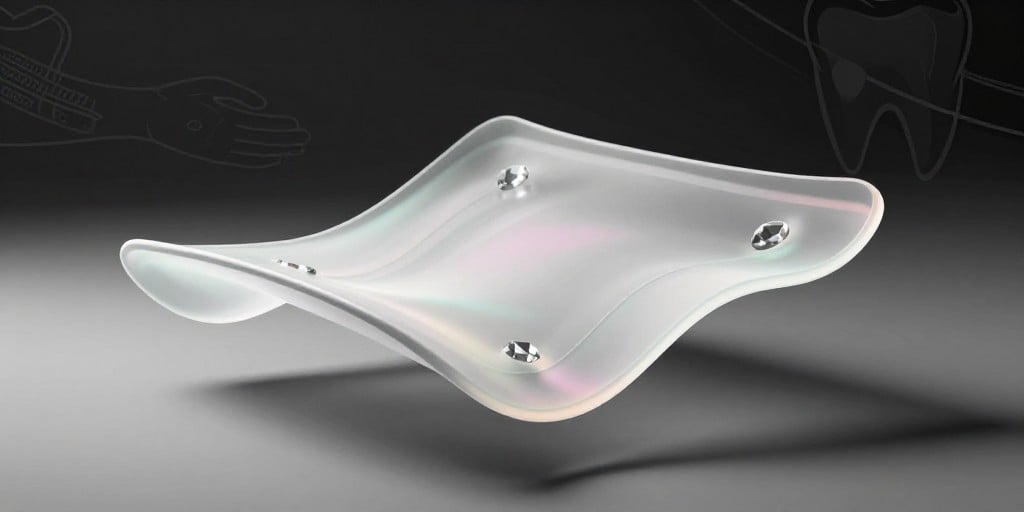
Solventum Corp has emerged as a noteworthy contributor to the burgeoning medical membrane sector, according to recent market analyses. The company’s portfolio—centered on high‑performance polymeric membranes for hemodialysis, drug delivery, and sterile filtration—aligns with the industry’s escalating demand for advanced filtration, separation, and sterilisation technologies in both healthcare and biopharmaceutical settings.
Market Context
The global medical membrane market is experiencing significant expansion, driven largely by the need for biocompatible, high‑flux membranes that meet stringent regulatory standards. Key trends include:
- Enhanced filtration efficiency: Demand for membranes capable of removing a broader range of contaminants while maintaining patient safety.
- Increased durability: Devices that reduce the frequency of replacement and associated costs.
- Reduced contamination risk: Single‑use bioprocessing systems and next‑generation dialysis equipment that lower infection rates.
Solventum’s strategic focus on these attributes positions the company favorably within the competitive landscape, where collaborations and product development are critical for achieving compliance with sterilisation and biocompatibility guidelines.
Product Highlights
| Application | Membrane Type | Key Performance Indicators | Regulatory Considerations |
|---|---|---|---|
| Hemodialysis | Polyethersulfone (PES) | • High flux (≥ 20 mL/min/cm²) • Low protein adsorption | FDA Class II, ISO 10993 compliance |
| Drug Delivery | Polyvinylidene fluoride (PVDF) | • Controlled release kinetics • Sterility assurance | EMA GMP, USP <800> |
| Sterile Filtration | Polyacrylonitrile (PAN) | • 0.22 µm pore uniformity • Low pressure drop | FDA 21 CFR 820, ISO 13485 |
Clinical data from recent in‑vitro and in‑vivo studies demonstrate that Solventum membranes exhibit superior protein rejection rates and minimal fouling when compared to industry benchmarks. Safety profiles are consistent with regulatory expectations, with no adverse immunogenic responses observed in pre‑clinical trials.
Dental Implant Segment
Parallel to its filtration activities, Solventum also operates within the dental implants and prosthetics market—a sector projected to grow steadily. Advances in material science (e.g., zirconia and titanium alloys) and digital technologies (e.g., 3D imaging, CAD/CAM) have improved implant accuracy and patient outcomes. Solventum supplies critical components that enable the manufacturing of these advanced implant solutions, thereby reinforcing its role as a key partner in the dental technology ecosystem.
Strategic Implications for Healthcare Systems
- Patient Safety: Adoption of Solventum’s high‑flux, biocompatible membranes can reduce infection risk in dialysis and drug delivery applications.
- Operational Efficiency: Durable, low‑fouling membranes decrease downtime and maintenance costs for healthcare facilities.
- Regulatory Compliance: The company’s adherence to ISO 10993, ISO 13485, and relevant FDA/EMA standards simplifies the approval process for new devices.
- Cost‑Effectiveness: Single‑use systems and improved implant components may lower long‑term treatment expenses through reduced complication rates.
Conclusion
Solventum Corp’s integrated presence in both filtration technologies and dental implant manufacturing reflects a strategic alignment with two rapidly expanding medical markets. By focusing on safety, efficacy, and regulatory compliance, the company is positioned to influence clinical practice and support healthcare providers in meeting evolving patient care needs.