
Snam SpA Shares Near 52‑Week High Amid Dividend Outlook and Local Regulatory Concerns
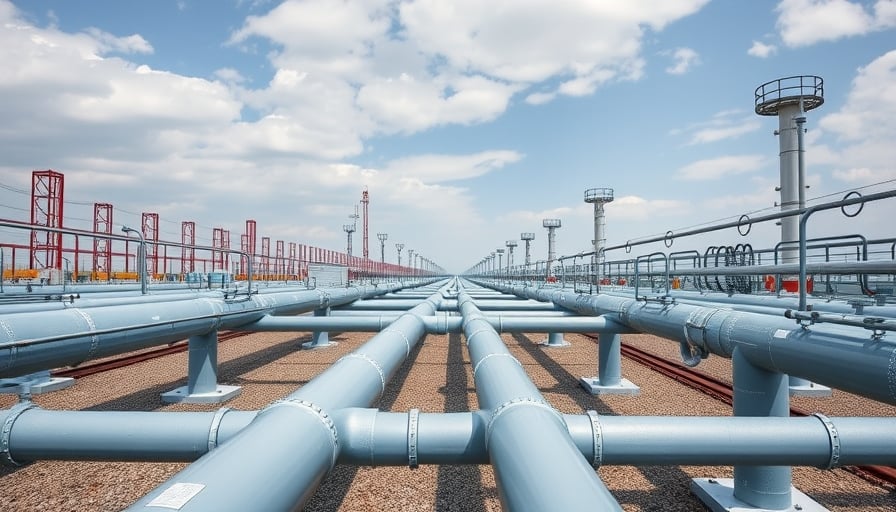
Snam SpA, the Italian utility that owns and operates the country’s high‑ and medium‑pressure natural‑gas pipeline network, saw its shares trade close to the upper end of their 52‑week trading range on the Borsa Italiana during the week of 15 – 17 January. The company’s core business remains the ownership and operation of infrastructure that links natural‑gas production sites, import terminals, and domestic markets, ensuring the continuous and reliable supply of gas across Italy.
Dividend Dynamics in 2026
In a market commentary focused on dividend yields, analysts highlighted an expected surge in dividend payouts within the Italian market for 2026. Snam was identified as one of the firms likely to issue a dividend during that period. The commentary positioned the company’s anticipated dividend within a broader European trend, suggesting that Snam’s payout would reinforce Italy’s reputation for delivering attractive returns to shareholders. Analysts emphasized the importance of Snam’s robust cash‑flow profile and its strategic role in the European gas infrastructure network as key drivers of its dividend potential.
Local Political Action in Savona
Concurrent with the financial developments, local political dynamics in Savona raised regulatory questions surrounding Snam’s operations. The mayor of Savona formally requested that the Italian government impose a formal halt to the planned relocation of a liquefied natural‑gas (LNG) regasification facility from Piombino to Vado Ligure. This move reflects ongoing community engagement and the regulatory environment that Snam navigates. The request underscores the intersection of infrastructure development, local stakeholder interests, and national policy decisions, highlighting the need for Snam to balance operational objectives with community expectations and regulatory compliance.
Strategic Implications
Snam’s share price movement near the upper 52‑week bound signals market confidence in its infrastructure assets and dividend prospects. The impending dividend payout is likely to attract income‑seeking investors, reinforcing the utility’s position as a stable asset within the European energy market. However, the political intervention in Savona illustrates the complex regulatory landscape that utilities must manage, particularly when infrastructure projects intersect with local interests.
For investors and analysts, Snam’s situation exemplifies how utilities operating in mature sectors must navigate both financial fundamentals—such as cash flow and dividend policy—and evolving regulatory and community dynamics. The company’s ability to maintain operational efficiency, secure stable revenue streams, and engage constructively with local stakeholders will continue to be pivotal in sustaining its competitive positioning within Italy’s energy infrastructure sector.