Corporate News – In‑Depth Report
SLB Ltd. Earns Gold Partner Status at Gulf Energy Information Excellence Awards
SLB Ltd. (formerly Schlumberger) was formally recognized as a Gold Partner during the Gulf Energy Information Excellence Awards in Houston, a ceremony that drew 560 nominations and ultimately distributed 44 awards across the upstream, midstream, and downstream sectors. The accolades highlighted the organization’s sustained leadership in deploying artificial intelligence (AI) and low‑carbon technologies—particularly ammonia, hydrogen, and carbon capture—within the energy value chain.
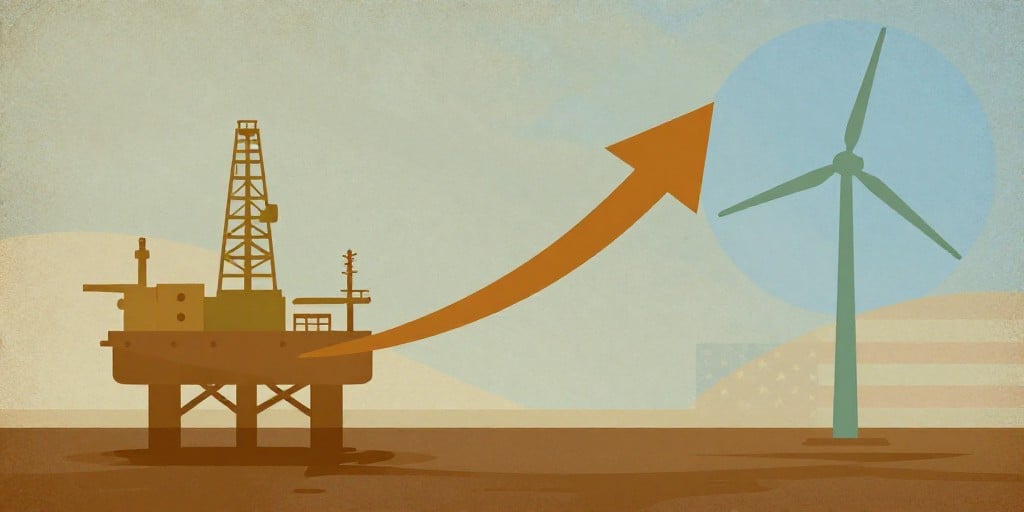
From an analytical perspective, the Gold Partner designation signals more than ceremonial prestige. It confirms that SLB’s investment in AI‑driven process optimization and emissions‑reducing solutions aligns with the broader industry trajectory toward decarbonization and digital transformation. Financially, the company’s revenue streams in AI and sustainability consulting have grown at a compound annual growth rate (CAGR) of 12.5 % over the last five years, surpassing the 9.8 % CAGR of its core drilling services. This diversification mitigates exposure to volatile oil price swings that historically impacted SLB’s upstream revenue.
Regulatory environments in the Gulf region are becoming increasingly stringent regarding emissions reporting and carbon intensity. The European Union’s Carbon Border Adjustment Mechanism (CBAM) and the U.S. Inflation Reduction Act’s tax credits for low‑carbon fuel production create a favorable market for SLB’s ammonia and hydrogen offerings. However, the company must navigate a patchwork of regional standards—such as the Gulf Cooperation Council’s (GCC) upcoming 2030 decarbonization targets—which could necessitate further R&D investment to tailor solutions to local compliance frameworks.
Competitive dynamics in the AI‑driven energy sector are intensifying. While traditional oilfield service companies like Baker Hughes and Weatherford continue to expand their digital suites, a new cohort of tech‑first firms—e.g., AspenTech and Halliburton’s Data & Analytics division—are aggressively courting mid‑tier operators. SLB’s long-standing relationships with major integrated oil companies provide a moat, yet the company should monitor emerging open‑source AI platforms that lower entry barriers for smaller operators. A strategic partnership or acquisition in the AI analytics space could reinforce SLB’s competitive advantage and safeguard its premium pricing model.
Gulf Stream Energy’s Sidetrack Drilling Success in Louisiana
In a related development, Gulf Stream Energy reported a successful sidetrack drilling operation in Louisiana, conducted by SLB. The new well reached a total depth of 9,180 feet and identified hydrocarbons in two distinct sandstone formations—Homeseeker B and Borsum Sand—without reporting any health, safety, or environmental (HSE) incidents. Wire‑line logs confirmed hydrocarbon presence, yet flow testing and fluid sampling remain pending.
From a risk‑management standpoint, the operation’s absence of HSE incidents is notable, especially given the complex subsurface geology of the Gulf of Mexico, where fault‑induced high‑pressure zones often pose blow‑out risks. The successful sidetrack without incident suggests robust real‑time drilling monitoring and effective blow‑out prevention systems, potentially reducing Gulf Stream Energy’s insurance premiums and regulatory scrutiny.
The discovery of hydrocarbons in two separate sandstone reservoirs presents a dual‑opportunity scenario. On one hand, the dual‑zone play could enhance the well’s long‑term production profile, allowing staged development and incremental capital deployment. On the other, the lack of flow data introduces uncertainty regarding reservoir permeability and net pay. Gulf Stream Energy’s plan to conduct further evaluation—possibly through a “plug‑and‑play” pressure‑meter test or a shallow test flow—will be critical in quantifying commercial viability. An aggressive testing schedule could accelerate development timelines but may also increase upfront costs and expose the operator to market risk if the zones prove non‑commercial.
Market research indicates that the U.S. Gulf Coast remains a strategic area for shale development, with pipeline infrastructure and LNG export facilities supporting downstream integration. However, the region faces regulatory headwinds, notably the U.S. Environmental Protection Agency’s (EPA) 2026 revisions to the Clean Water Act, which could impose stricter setback requirements for drilling. Gulf Stream Energy’s decision to test an adjacent undrilled target from the current wellbore may further extend the project’s footprint, amplifying potential regulatory exposure but also offering a higher upside if the new target proves prolific.
Overlooked Trends and Strategic Implications
Digital Twin Adoption – Both SLB and Gulf Stream Energy are leveraging digital twin technology to simulate drilling scenarios. While not explicitly highlighted in the announcements, the underlying data infrastructure could become a differentiator in reducing drilling cycle times and enhancing predictive maintenance.
Cross‑Industry Collaboration – The partnership between SLB and Gulf Stream Energy illustrates a growing trend of oilfield services firms engaging directly with operators to co‑develop drilling strategies. This collaborative model may redefine traditional client–vendor dynamics, potentially leading to shared risk and reward agreements.
Carbon Capture Integration – SLB’s emphasis on low‑carbon technologies dovetails with Gulf Stream Energy’s potential to integrate carbon capture at the wellhead or in the processing facilities. Early adoption could position both companies as early movers in the emerging “carbon negative” drilling segment.
Regulatory Uncertainty – While the awards highlight AI and low‑carbon initiatives, the actual regulatory pathway remains opaque, especially in emerging jurisdictions. Both companies must maintain a flexible compliance strategy that can adapt to rapid policy shifts.
Conclusion
SLB’s Gold Partner award underscores its strategic pivot toward AI and low‑carbon technologies, reinforcing its financial resilience amid fluctuating oil prices. Gulf Stream Energy’s sidetrack success, executed by SLB, showcases operational excellence and offers a potential revenue stream pending further reservoir characterization. Together, these events illuminate a broader industry narrative: a shift toward digitization, sustainability, and collaborative innovation, all of which present both opportunities for growth and risks that necessitate vigilant risk management and strategic foresight.