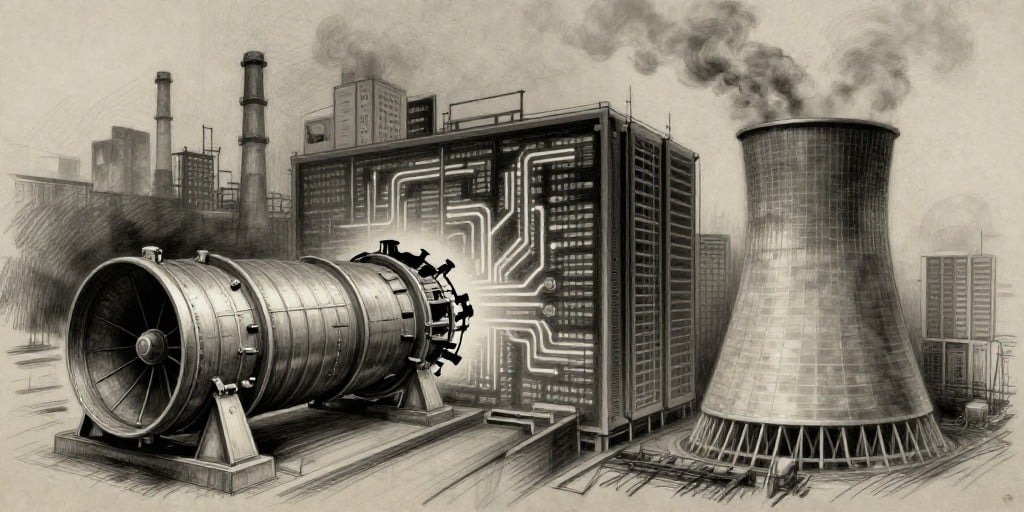
Siemens AG Announces Annual Results Amid Digital‑Factory and Energy‑Sector Dynamics
Siemens AG disclosed its fiscal‑year performance on Thursday, with the official earnings release slated for 08:00 GMT and a subsequent analyst conference call scheduled for 09:30 GMT. The company’s results are expected to be evaluated against broader trends in the industrial and energy markets, particularly the rapid evolution of digital‑factory technology and the tightening competition in the gas‑turbine segment.
Digital Factory and AI‑Driven Production Models
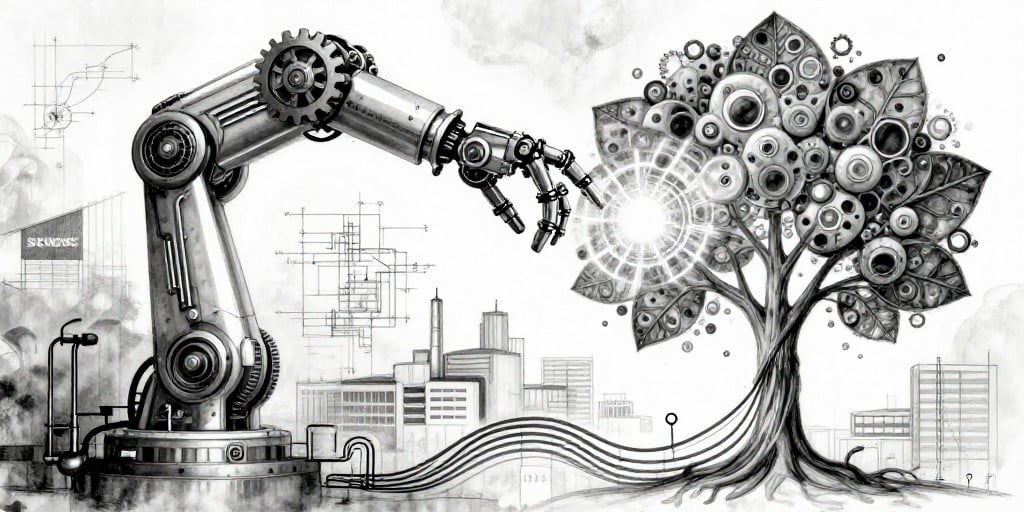
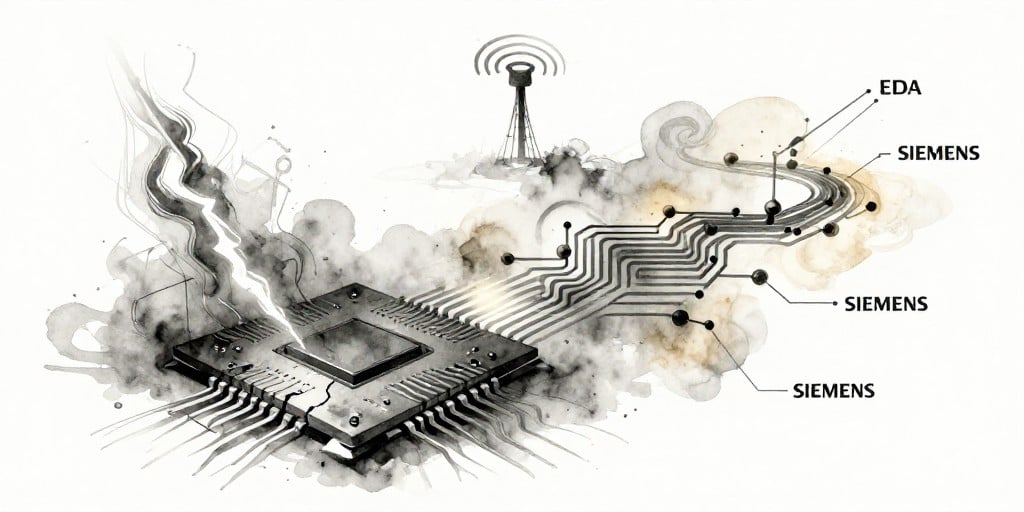
A key driver of analyst focus is Siemens’ partnership with NVIDIA, which seeks to integrate AI‑driven production models into industrial operations. This collaboration centers on the deployment of digital twins and advanced analytics to optimise complex manufacturing facilities. The resulting efficiencies are expected to elevate demand for supporting infrastructure, notably energy supply, cooling, and water management systems. In this context, water‑based cooling solutions for high‑power data centres are gaining prominence, as they can provide more sustainable and cost‑effective temperature regulation compared to traditional air‑cooled alternatives.
From a strategic standpoint, the partnership signals a shift in Siemens’ value proposition: rather than merely supplying hardware, the company is positioning itself as a provider of comprehensive, data‑centric industrial solutions. This approach aligns with broader market expectations that digitalisation and AI will drive the next wave of productivity gains in manufacturing and logistics.
Supply‑Chain Constraints in the Gas‑Turbine Segment
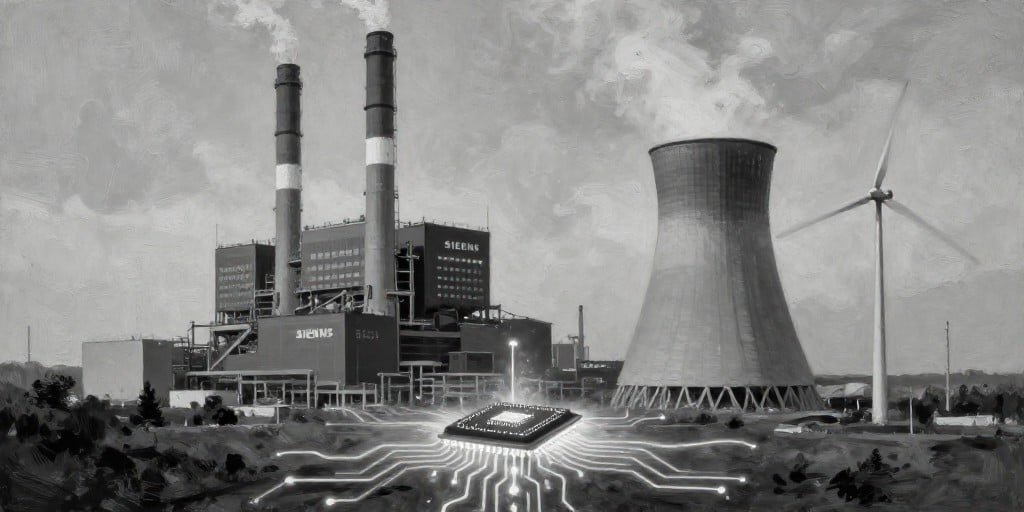
Analysts are also monitoring the supply‑chain environment in the gas‑turbine market. Chinese manufacturers are actively reducing the technology gap and expanding overseas production capacity, thereby increasing competitive pressure on European suppliers. The limited availability of critical components—such as turbine blades, compressor discs, and control electronics—has intensified cost pressures and delivery lead times for firms like Siemens.
These supply constraints could dampen growth in the gas‑turbine business unit for the upcoming fiscal year, particularly if key customers experience delays or seek alternative suppliers. The impact is likely to be more pronounced in markets where stringent emissions regulations drive the adoption of high‑efficiency turbines, thereby amplifying demand for premium components.
Market Reaction and Investor Sentiment
During the first half of the trading day, major European indices—including the DAX, STOXX 50, and Euro STOXX 50—reported gains. Shares of Siemens and its energy‑technology subsidiary, Siemens Energy, were among the strongest performers. This positive market reaction reflects investor confidence in Siemens’ technology portfolio, its strategic expansion into AI and digital‑factory solutions, and the perceived resilience of its energy‑technology operations.
Nevertheless, investors remain vigilant about evolving supply‑chain dynamics. The company’s ability to navigate component shortages, maintain competitive pricing, and sustain production schedules will be closely scrutinised in the coming year. Market participants also anticipate that the broader shift toward more efficient cooling and power‑management systems in AI infrastructures will present new growth avenues, albeit coupled with heightened operational complexity.
Broader Economic Context
The convergence of digitalisation, renewable energy expansion, and AI‑driven industrial optimisation underscores a broader economic trend: the pursuit of sustainability and operational efficiency across sectors. Siemens’ dual focus on industrial digital twins and clean‑energy technology positions it at the nexus of this transition. However, the company must balance the opportunities presented by new technology adoption against the challenges posed by tightening competition and supply‑chain fragility.
In summary, Siemens AG’s upcoming earnings release will be scrutinised through the lenses of digital‑factory innovation, supply‑chain constraints in the gas‑turbine market, and the evolving demand for advanced cooling and power‑management solutions. Investor sentiment remains optimistic, yet cautious, as the firm navigates these interconnected dynamics.