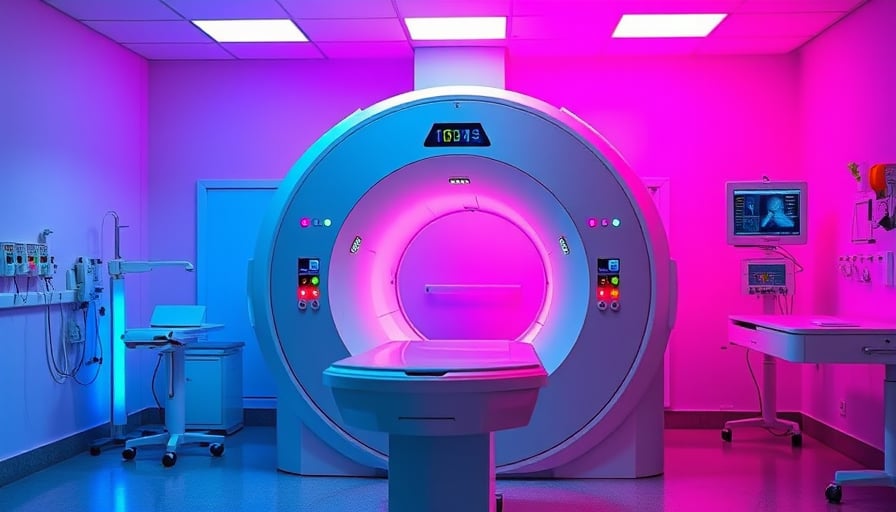
Siemens Healthineers Secures FDA Clearance for Dedicated Dental MRI System
Regulatory Milestone and Product Overview
Siemens Healthineers AG has obtained clearance from the U.S. Food and Drug Administration (FDA) for its inaugural magnetic resonance imaging (MRI) system that is specifically engineered for dental applications. The approval follows a rigorous evaluation of the device’s safety profile, imaging performance, and clinical utility in the context of oral and maxillofacial diagnostics. The product, designated for use in orthodontics, implantology, and endodontics, promises higher resolution images of hard and soft tissues without the ionizing radiation associated with conventional dental imaging modalities.
Key points of the regulatory submission:
- Safety Data: Comprehensive preclinical testing demonstrated no adverse effects on patients or operators, with compliance to MRI safety guidelines and electromagnetic compatibility standards.
- Efficacy Outcomes: Comparative studies against cone-beam computed tomography (CBCT) and panoramic radiography showed superior soft‑tissue contrast and accurate volumetric reconstruction of bone structures.
- Regulatory Pathway: The submission utilized the FDA’s 510(k) clearance pathway, referencing predicate devices and establishing substantial equivalence in intended use and technological characteristics.
The clearance is poised to enhance Siemens Healthineers’ presence in the U.S. market, particularly within dental practices that seek high‑definition imaging solutions for complex surgical planning and patient education.
Market and Financial Context
While the FDA approval is a notable achievement, market analysts at DZ Bank caution that several macro‑economic and geopolitical factors may dampen investor enthusiasm:
- U.S. Tariffs and Trade Policy: Ongoing tariffs on medical equipment and components could elevate manufacturing costs and compress profit margins. The company’s supply chain exposure to U.S.‑dominated tariff regimes necessitates close monitoring of duty schedules and potential tariff negotiations.
- Currency Fluctuations: Volatility in the euro‑U.S. dollar pair can affect revenue conversion and cost structures, particularly for sales in the United States and other dollar‑denominated markets. Recent depreciation of the euro has already impacted export earnings.
- Chinese Market Uncertainty: Regulatory tightening and trade restrictions in China present risks to Siemens Healthineers’ expansion plans in Asia. The company’s exposure to the Chinese market, where it seeks to expand its imaging portfolio, remains a potential source of volatility.
These factors are expected to influence the forthcoming quarterly financial disclosures, scheduled for early May. Investors should evaluate the company’s risk‑mitigation strategies, such as hedging mechanisms, cost‑control initiatives, and diversification of supply sources, when assessing the impact on earnings.
Strategic Collaboration with KI Reply and Data Reply
In parallel, Siemens Healthineers announced a partnership with KI Reply and Data Reply, specialized units within the Reply Group that focus on artificial intelligence (AI) and data‑driven solutions. The collaboration aims to:
- Enhance KI Platform Capabilities: Integrate advanced AI algorithms into imaging workflows, enabling automated segmentation, disease detection, and workflow optimization.
- Accelerate Digital Transformation: Leverage data‑driven insights to improve diagnostic accuracy, reduce turnaround times, and support evidence‑based treatment planning.
- Create a Unified Ecosystem: Build a scalable platform that facilitates interoperability across Siemens Healthineers’ imaging devices and third‑party software ecosystems.
From a regulatory perspective, the partnership underscores compliance with data protection regulations (e.g., GDPR, HIPAA) and ensures that AI tools meet the stringent validation and transparency criteria required by healthcare authorities. The joint venture also positions Siemens Healthineers to capitalize on the growing demand for precision diagnostics and personalized medicine in both outpatient and inpatient settings.
Practical Implications for Patient Care and Healthcare Systems
- Improved Diagnostic Accuracy: The dental MRI system can reduce the need for multiple imaging modalities, thereby streamlining patient workflows and minimizing radiation exposure.
- Enhanced Surgical Planning: High‑resolution images support precise implant placement and orthodontic appliance design, potentially improving clinical outcomes and patient satisfaction.
- Operational Efficiency: AI‑driven workflow enhancements may lower radiology readout times and reduce human error, translating into cost savings for healthcare providers.
Healthcare systems adopting this technology must consider the initial capital investment, integration with existing PACS (Picture Archiving and Communication System) infrastructure, and staff training requirements. Longitudinal studies are warranted to quantify the cost‑effectiveness of the dental MRI system relative to conventional imaging modalities.
Outlook
Siemens Healthineers’ FDA clearance and its AI partnership signal a dual trajectory: on one side, regulatory achievements and technological innovations suggest robust growth potential in niche imaging markets; on the other, persistent trade tensions and market uncertainties pose challenges that may temper short‑term investor sentiment. The company’s ability to navigate tariff landscapes, currency risks, and regulatory compliance will determine the extent to which it can translate product approvals into sustained financial performance and market share expansion.