
Siemens Healthineers Extends Collaboration with Imagion Biosystems on HER2 Imaging Agent
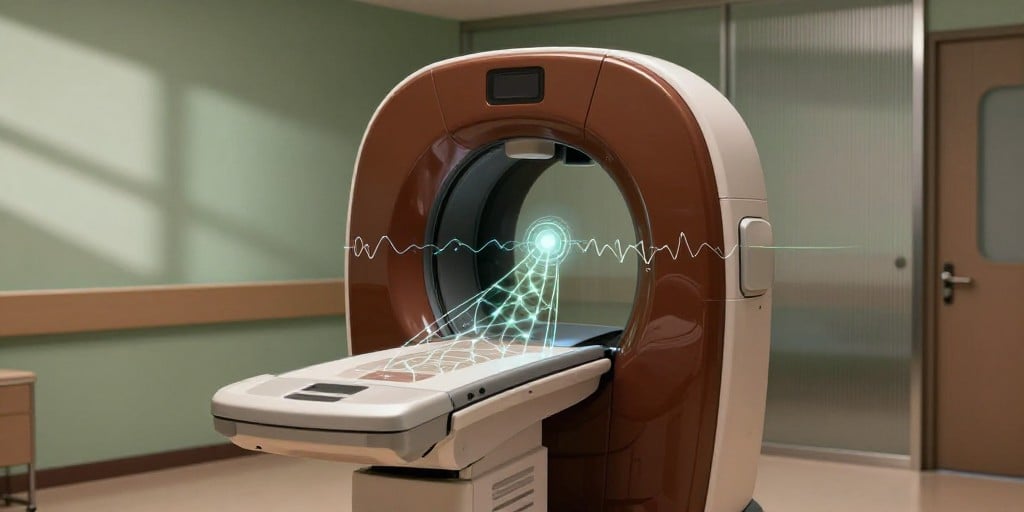
Siemens Healthineers AG (SHE) announced the renewal of its partnership with Imagion Biosystems Limited to support the Phase 2 clinical trial of Imagion’s MagSense® HER2 breast‑cancer imaging agent. Under the new agreement, SHE will contribute technical expertise and in‑kind services, with a particular emphasis on integrating advanced quantitative magnetic‑resonance imaging (qMRI) techniques into the trial protocol and providing training to clinical sites. The collaboration is expected to enhance image quality at reduced contrast‑agent doses and to shorten acquisition times, thereby laying the groundwork for future artificial‑intelligence (AI)–driven diagnostic applications.
Clinical and Technical Implications
Efficacy Outcomes: Early Phase 1 studies of MagSense® have demonstrated high tumor‑to‑background contrast and reliable HER2 receptor detection. By incorporating qMRI protocols, the Phase 2 trial aims to validate whether these performance metrics can be maintained—or improved—when contrast‑agent dosing is reduced, thereby potentially lowering systemic exposure and mitigating renal or hypersensitivity risks.
Safety Data: Preliminary safety assessments have indicated an acceptable adverse event profile, with no serious drug‑related events reported to date. The addition of qMRI techniques may further reduce the need for gadolinium‑based agents, addressing concerns related to gadolinium deposition and nephrogenic systemic fibrosis, especially in patients with impaired renal function.
Regulatory Pathways: The Phase 2 data will be pivotal for regulatory submissions to the U.S. FDA and the European Medicines Agency (EMA). The trial’s design, incorporating standardized qMRI sequences, aligns with the regulatory emphasis on quantitative imaging biomarkers and reproducibility. Successful demonstration of efficacy and safety could accelerate the pathway to a companion diagnostic label, a strategic fit for SHE’s imaging portfolio.
Strategic Portfolio Management
While the imaging partnership underscores SHE’s commitment to diagnostic innovation, the company concurrently disclosed plans to carve out its Diagnostics division. The separation is projected to take approximately two years and is part of a broader strategic review. SHE has not identified a specific buyer yet, although it remains open to private‑equity interest. This move reflects an effort to streamline operations and potentially unlock shareholder value, while preserving the core imaging business.
Capital Structure Actions
Siemens Healthineers is actively executing a share‑buyback program. Between 29 June and 5 July 2026, the company repurchased several hundred thousand shares through a credit institution on the Frankfurt Stock Exchange. The current tranche exceeded two million shares, indicating a substantial commitment to returning capital to shareholders and improving earnings‑per‑share metrics.
Practical Implications for Healthcare Systems
Patient Care: Reduced contrast‑agent dosing could lower the risk of adverse reactions, improving safety for patients with comorbidities such as chronic kidney disease. Shorter scan times enhance patient comfort and throughput in radiology departments.
Healthcare Economics: Improved image quality at lower doses may translate into cost savings by decreasing the need for repeat imaging and reducing adverse‑event management expenses. AI‑enabled diagnostics could further streamline workflow and reduce radiologist workload, offering long‑term productivity gains.
Regulatory Compliance: Adoption of quantitative imaging protocols aligns with emerging standards in diagnostic imaging, potentially simplifying compliance with regulatory reporting and post‑market surveillance.
Conclusion
Siemens Healthineers’ renewed partnership with Imagion Biosystems represents a strategic advancement in HER2 breast‑cancer imaging, emphasizing safety, efficacy, and regulatory readiness. Concurrently, the planned diagnostics carve‑out and active share‑buyback reflect a focused approach to portfolio optimization and shareholder value creation. For clinicians and patients, these developments herald potential improvements in diagnostic accuracy, safety, and efficiency within oncology imaging pathways.