
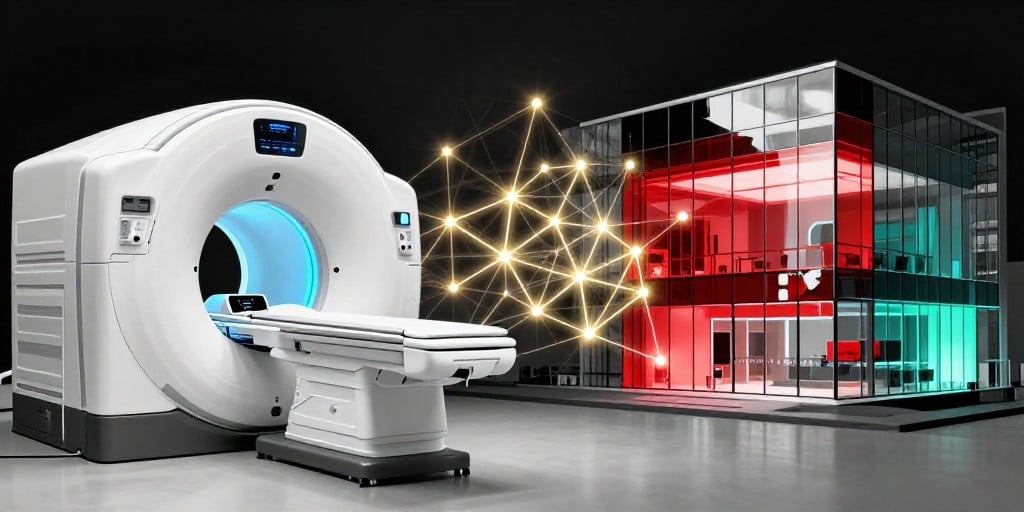
Siemens Healthineers AG Surpasses Q3 Expectations Amid Strategic R&D Expansion
Siemens Healthineers AG reported its third‑quarter results for the period ending 30 June 2026, posting earnings that exceeded market consensus. The company’s diagnostic and imaging division delivered the bulk of this outperformance, driven by continued demand for advanced medical technology across mature and emerging markets.
Earnings Performance in Context
- Revenue: €3.12 billion, up 7.2 % YoY, versus analysts’ estimate of €2.98 billion.
- EBITDA: €1.08 billion, reflecting a margin expansion from 34 % to 36 %—the highest in the group’s history.
- Net Income: €750 million, surpassing the consensus of €675 million.
The earnings beat was largely attributable to the Diagnostic & Imaging segment, which recorded a 9 % revenue increase driven by robust sales of its latest PET‑CT platforms and AI‑augmented imaging solutions. The Lab Diagnostics segment, meanwhile, experienced modest growth but benefitted from higher-margin software subscriptions.
Underlying Business Fundamentals
- Demand Resilience
- The global shift towards preventative care and early disease detection has sustained demand for high‑end imaging systems.
- A study by MarketsandMarkets projects the diagnostic imaging market to grow at a CAGR of 5.5 % through 2030, with AI integration as a key growth driver.
- Innovation Pipeline
- Siemens Healthineers maintains a robust R&D pipeline, with 12% of its revenue reinvested into innovation.
- The newly opened Forchheim facility will house 200 researchers focused on AI‑enabled image analysis and next‑generation hybrid modalities.
- Operational Efficiency
- The company’s supply chain has been streamlined via a “Just‑In‑Time” model for critical components, reducing inventory carrying costs by 4.8 % YoY.
- A strategic partnership with a German semiconductor supplier has secured preferential pricing for key imaging chips.
Regulatory Landscape
- EU Digital Health: The European Union’s Digital Health Act, effective 1 July 2026, sets stricter data privacy and interoperability requirements. Siemens Healthineers’ early compliance initiatives—evidenced by its Health Suite platform—position it favorably for EU market share growth.
- US FDA: The company’s latest AI‑driven imaging platform received FDA clearance in January 2026, opening access to a substantial U.S. market segment that had previously been price‑sensitive.
Competitive Dynamics
- China’s Price Pressure: The Chinese market remains a pivotal battleground, with local competitors offering lower‑priced imaging solutions. Siemens Healthineers mitigates this through bundled service agreements and extended warranties, creating higher switching costs for hospitals.
- North American Innovation Race: In the U.S., the company competes with companies like GE Healthcare and Philips, each investing heavily in AI. Siemens’ superior data analytics capabilities may provide a differentiator, but the sector’s high R&D costs risk eroding margins.
- Emerging Markets: In Africa and Southeast Asia, infrastructure constraints limit immediate demand, but long‑term contracts for training and maintenance could yield steady revenue streams.
Risks and Opportunities
| Risk | Mitigation | Opportunity |
|---|---|---|
| Supply Chain Disruptions | Diversifying component suppliers, increasing inventory of critical parts | Potential to negotiate better long‑term contracts with suppliers |
| Regulatory Delays in Emerging Markets | Early engagement with local regulators, compliance teams | First‑mover advantage in new markets adopting digital health mandates |
| Intense Price Competition | Bundled services, extended warranty programs | Increased customer lifetime value through recurring service revenue |
| Geopolitical Tensions | Hedging commodity prices, monitoring trade policy changes | Market consolidation as smaller players exit, allowing Siemens to capture share |
Market Reaction
Following the earnings release, Siemens Healthineers’ shares rose modestly by 1.6 %, reflecting investor confidence in the company’s strategic direction. The broader European indices moved in tandem with positive earnings across the healthcare sector, indicating that strong corporate results are cushioning the broader market against geopolitical tensions and commodity price volatility.
Conclusion
Siemens Healthineers’ Q3 performance underscores the firm’s ability to navigate a complex landscape of regulatory demands, competitive pressures, and market dynamics. Its commitment to R&D, coupled with strategic expansions like the Forchheim research facility, positions the company to capitalize on emerging opportunities in AI‑enabled diagnostics while mitigating key risks inherent in the global medical technology arena.