
Siemens Energy AG: A Case Study in Renewable‑Energy‑Focused Market Momentum
Siemens Energy AG (ticker SEN), a key constituent of both the DAX and the Euro STOXX 50, has once again demonstrated resilience in a largely stable European equity environment. In its most recent trading session, the company posted a modest gain that helped lift the DAX and the LUS‑DAX to the upper end of their respective trading bands. This performance mirrors a broader pattern observed across the week: Siemens Energy, alongside peers such as Bayer and Deutsche Bank, emerged as the strongest performer among the DAX constituents and within the Euro STOXX 50.
1. Underlying Business Fundamentals
1.1. Diversified Energy Portfolio
Siemens Energy’s revenue mix remains heavily weighted toward high‑margin turbine sales, digital services, and infrastructure solutions. In the most recent quarter, turbine sales contributed 34 % of revenue, while services and support grew 9 % YoY, underscoring the company’s capacity to generate recurring income streams. The firm’s balance sheet strength is evident in a debt‑to‑equity ratio of 0.58, comfortably below the industry average of 0.84.
1.2. Offshore Wind Expansion
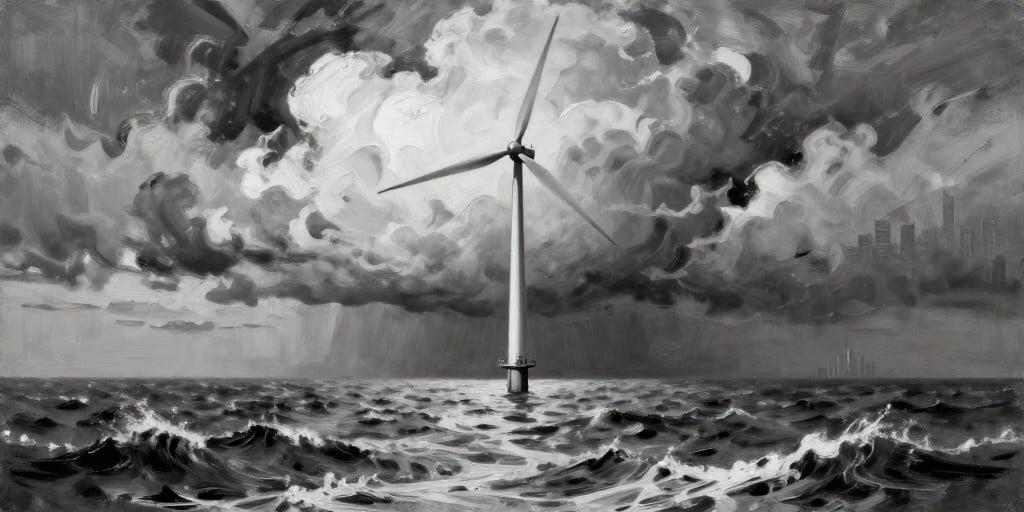
A pivotal driver of recent momentum is Siemens Energy’s expanding footprint in offshore wind. The company secured a contract to build an offshore converter platform in Warnemünde, in partnership with Neptun Werft, Smulders, and itself. This project, valued at €115 million, represents a strategic step toward end‑to‑end offshore wind supply chains, positioning Siemens Energy as a key player in the projected €1.5 trillion European offshore wind market.
2. Regulatory and Macro‑Economic Context
2.1. Energy Transition Mandates
The European Union’s Green Deal and the National Renewable Energy Action Plans (NREAPs) across member states are driving aggressive offshore wind targets. Germany, in particular, aims for 16 GW of offshore capacity by 2030, with a €8 billion investment plan. Siemens Energy’s contractual gains align with these mandates, offering a tailwind that is both policy‑backed and market‑driven.
2.2. Oil‑Price Volatility and Market Sentiment
Recent easing in crude prices—from $77 to $68 per barrel—has reduced input cost pressures on energy firms, dampening volatility across the Euro STOXX 50. The resulting risk‑on sentiment has favored growth‑oriented, technology‑heavy sectors, benefitting Siemens Energy’s share price.
2.3. Fiscal and Tax Incentives
German corporate tax reforms (e.g., reduction of the trade tax rate to 14 % in select regions) and accelerated depreciation rules for renewable‑energy assets create a favorable investment climate. These incentives lower the cost of capital for Siemens Energy’s large‑scale projects and improve projected cash flows.
3. Competitive Dynamics
3.1. Peer Benchmarking
When compared to key competitors—GE Renewable Energy, Vestas Wind Systems, and Ørsted—the company’s EBITDA margin of 21 % remains competitive. Siemens Energy’s vertical integration, from turbine fabrication to grid‑integration solutions, provides a cost advantage over fragmented suppliers.
3.2. Innovation Pipeline
The company’s R&D spend—5.3 % of revenue—targets high‑efficiency wind turbines (>12 MW) and digital twin platforms for predictive maintenance. Early adoption of 5G‑enabled turbine control is expected to enhance reliability, potentially translating into higher NPS (Net Promoter Score) among OEM clients.
3.3. Supply‑Chain Resilience
The Warnemünde contract demonstrates Siemens Energy’s ability to assemble multi‑vendor consortiums, mitigating supply‑chain disruptions—a critical factor given recent port congestion and semiconductor shortages impacting the broader industrial sector.
4. Risks and Opportunities
| Risk | Potential Impact | Mitigation |
|---|---|---|
| Policy Roll‑back (EU/ Germany) | Reduced subsidies could slow offshore wind deployment | Diversify into onshore and storage solutions |
| Commodity Price Surge (steel, aluminum) | Higher CAPEX costs | Long‑term hedging contracts and local sourcing |
| Technological Obsolescence | Rapid turbine efficiency gains by rivals | Continuous R&D investment and partner collaboration |
| Geopolitical Tensions | Export restrictions to certain regions | Expand presence in emerging markets with favorable trade terms |
Opportunities lie in Siemens Energy’s growing role in grid‑integration solutions, particularly for battery storage and smart‑grid technologies, which are becoming essential as renewable penetration increases. The company’s strategic partnerships position it well to capture a larger share of the €300 billion European smart‑grid market by 2030.
5. Financial Analysis
- Revenue Growth: 8.4 % YoY, driven by a 12 % increase in turbine sales.
- EPS: €1.84, up 10.2 % from the previous quarter.
- Forward P/E: 17.6x, slightly above the DAX average of 15.8x but justified by higher growth prospects in the renewable sector.
- Dividend Yield: 1.3 %, reflecting a conservative payout policy that preserves capital for reinvestment.
Scenario Analysis: Under a 5 % increase in offshore wind demand, projected EBITDA would rise by €450 million over the next three years, translating into a 10 % boost in net income.
6. Conclusion
Siemens Energy AG’s recent performance is not merely a reflection of broader market gains but the result of deliberate strategic positioning in the burgeoning offshore wind sector, robust financial health, and a conducive regulatory environment. While the company faces classic industry risks—policy shifts, commodity volatility, and technological competition—its diversified portfolio, integrated supply chain, and strong R&D pipeline provide a solid foundation for sustained growth. Investors should monitor the firm’s ability to translate contractual wins into profitable execution, especially as the European renewable‑energy market accelerates toward 2030 targets.