Corporate Analysis: Siemens Energy AG – Navigating Short‑Term Volatility Amid Long‑Term Transformation
Market Context and Immediate Impact During the week of March 19, 2026, the German equity benchmark (DAX) opened lower, a trend that extended to Siemens Energy AG (SEN) as it joined a cluster of stocks that fell in the early session. The broader sell‑off was largely driven by a sharp uptick in oil prices triggered by attacks on energy facilities in the Middle East, combined with a hawkish stance from the U.S. Federal Reserve on inflation. These factors intensified market uncertainty and pushed the Euro STOXX 50 down as well, with SEN ranking among the weaker performers in the index.
On the domestic front, SEN’s share price experienced a notable decline after a period of earlier gains. Analysts attribute this volatility to two interlocking forces:
- Profit‑taking – Investors capitalized on a strong rally that had driven the stock to a 12‑month high.
- Macroeconomic headwinds – Rising inflation expectations and geopolitical tensions in the energy sector added pressure on valuation multiples.
Strategic Underpinnings Resilient to Market Noise Despite the short‑term price pressure, Siemens Energy’s strategic trajectory remains largely unchanged. In the latest earnings season, the company announced an upgraded remuneration package for its supervisory board. This move signals a continued effort to tether executive incentives to long‑term performance metrics, a practice that aligns with best practices in corporate governance across the energy transition space.
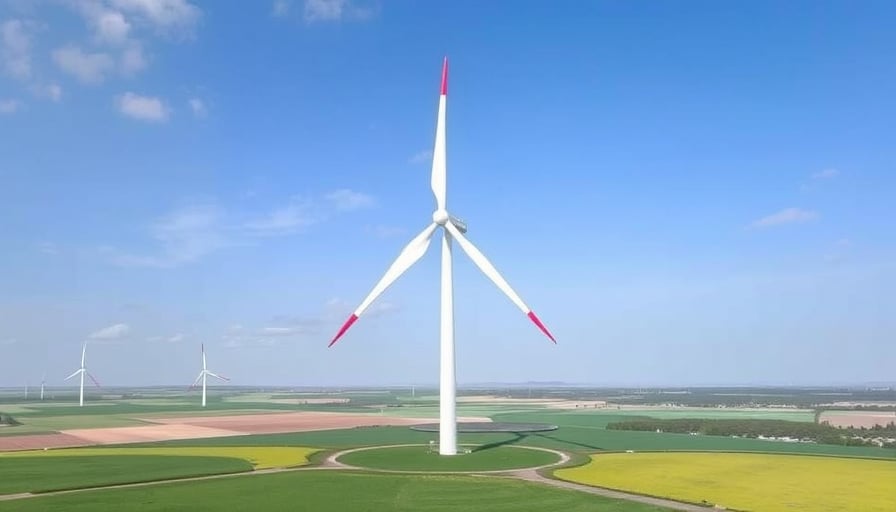
Simultaneously, Siemens Energy has maintained its focus on renewable energy and grid infrastructure. The firm’s portfolio now includes significant investments in offshore wind farms, battery storage solutions, and smart‑grid technologies that facilitate the integration of variable renewable sources into the grid. These initiatives position the company to benefit from:
- Policy momentum – European and national governments are ramping up subsidies and regulatory incentives for low‑carbon energy projects.
- Technological convergence – Advances in digital twins, AI‑driven grid management, and modular battery systems are reducing capital and operating costs for renewable installations.
Regulatory and Competitive Landscape The company operates in a regulatory environment that is increasingly stringent on emissions and grid reliability. The European Union’s Green Deal and the 2030 climate targets create a favorable backdrop for Siemens Energy’s renewable portfolio. However, the firm faces competition from a rapidly expanding field of integrated energy service providers who are leveraging economies of scale and vertical integration to offer bundled solutions. To stay ahead, Siemens Energy must:
- Secure long‑term contracts – Locking in power purchase agreements (PPAs) for new renewable assets can stabilize cash flows.
- Invest in R&D – Maintaining a pipeline of next‑generation storage and grid‑optimization technologies is critical to outpace competitors.
- Strengthen ESG credentials – Transparent reporting and adherence to environmental, social, and governance (ESG) standards are increasingly decisive for investors.
Risk Assessment While the company’s strategic focus on renewables offers growth potential, several risks warrant attention:
- Oil price volatility – Although the firm is pivoting towards renewables, it still has exposure to fossil‑fuel‑derived equipment and materials, making it susceptible to commodity price swings.
- Geopolitical instability – Ongoing tensions in the Middle East could disrupt supply chains for key components such as rare earth materials used in turbines and batteries.
- Policy shifts – Changes in subsidy regimes or regulatory frameworks (e.g., a rollback of renewable incentives) could erode profitability.
Opportunity Identification Conversely, there are emerging opportunities that may be overlooked by traditional market analyses:
- Digital transformation of grid services – Siemens Energy’s expertise in digital twins and cyber‑physical systems positions it to capture revenue from grid‑optimization services, a market projected to grow at a CAGR of 15 % over the next decade.
- Strategic partnerships in emerging markets – Expanding into fast‑growing economies in Asia and Africa, where renewable penetration is still low, could unlock new customer bases and diversify geographic risk.
- Circular economy initiatives – Repurposing decommissioned wind turbines and battery modules for secondary uses (e.g., energy‑storage retrofits) could create additional revenue streams and improve ESG metrics.
Conclusion Siemens Energy AG’s recent market performance reflects broader macroeconomic and geopolitical pressures rather than a fundamental shift in the company’s strategy. The firm’s enhanced executive incentives and continued investment in renewables and grid infrastructure underscore a commitment to long‑term growth in the energy transition sector. Investors and analysts should monitor the interplay between commodity volatility, regulatory evolution, and competitive dynamics to gauge the company’s resilience and capture potential upside in the evolving energy landscape.